

NUR 4130 Clinical vSim Assignment Olivia Jones revised edition 100% verified
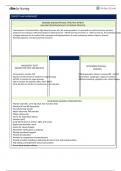
CONCEPT MAP WORKSHEETDESCRIBE DISEASE PROCESS AFFECTING PATIENT(INCLUDE PATHOPHYSIOLOGY OF DISEASE PROCESS)Preeclampsia is characterized by high blood pressure after 20 weeks gestation. It is grouped into mild and severe and thenprogresses to eclampsia. Mild preeclampsia is blood pressure 140/90 mm Hg and severe is 160/110 mm Hg. The pathophysiologyis largely unknown but it involves both vasospasm and hypoperfusion. It causes pulmonary edema, oliguria, seizures,thrombocytopenia, and abnormal liver enzymes.DIAGNOSTIC TESTSPATIENT INFORMATIONANTICIPATED PHYSICAL(REASON FOR TEST AND RESULTS)FINDINGSUltrasound to monitor FHRPitting dependent edema, increased BP, 140/90,Hepatic Function Panel to monitor for organ damagefacial edema, weight gain, oliguria, headache,AST/ALT to monitor for organ damagedifficulty breathing, epigastric pain, visual changesCBC to monitor for platelets, RBCs, MCH, MCHCUrine dip stick to monitor for proteinuria; a warning signANTICIPATED NURSING INTERVENTIONSMonitor labs CBC, urine dip stick, liver function testsMonitor BP and HR frequentlyAuscultate lung soundsAttach electronic FHR monitorObtain ultrasoundAssess for dependent edemaMonitor SpO2Limit stimuli such as visitors, light, and soundApply nonrebreather maskAssess for visual changesAdminister medications as orderedProvide emotional supportProvide pt educationMonitor for progression of preeclampsiaProvide pt safety including maintaining the bed in low and locked positionPad railings and implement seizure precautionsAssess deep tendon reflexes vSim ISBAR ACTIVITYSTUDENT WORKSHEETINTRODUCTIONYour name, position (RN), unit you areworking onOlivia Jones, 23, admitted for severe preeclampsiaSITUATIONPatient's name, age, specific reason for visitPt is diagnosed with severe preeclampsia, admitted 5/7/2020, currentBACKGROUNDorders are NPO until serum lab results are in, bed rest with bathroomprivileges, BP Q1Hx2 then Q4H, T, HR, RR Q1H, breath sounds Q4H,Patient's primary diagnosis, date ofFHR/UC monitoring, DTR Q1H, head to toe Q4H, continuous SpO2,admission, current orders for patientIV care, ultrasound, foley catheter, place seizure pads, minimizestimuli, NRB mask for SpO2 92%BP 164/98ASSESSMENTT 99FRR 22Current pertinent assessment data using headHR 110to toe approach, pertinent diagnostics, vitalSpO2 92%signsPt c/o visual changes, headache, and epigastric painThe pt has crackles in the lower lobes of the lungsThe pt has low platelets, RBCs, MCH, MCHC and elevated creatinine,BUN, ALT/AST and has protein in the urine 455 mg/24HI recommend the pt be placed on seizure precautions andRECOMMENDATIONenvironmental stimuli be limited, including visitors. She shouldcontinue to be monitored for progression of preeclampsia to eclampsia.Any orders or recommendations you may haveShe should be fitted for a risk for falls pt bracelet. The pt should befor this patienteducated on condition and medications. Continue to monitor forcontractions. Monitor BP
Document information
- Uploaded on
- September 18, 2023
- Number of pages
- 12
- Written in
- 2023/2024
- Type
- Exam (elaborations)
- Contains
- Questions & answers


