English Speaking World – HvA
Only contains the history of the UK.
Summary from:
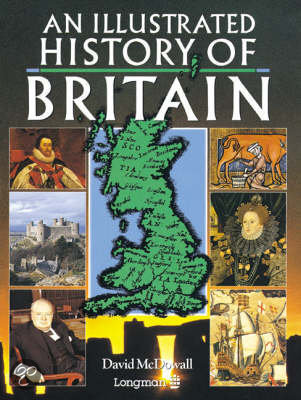
McDowall, D. (1989). An illustrated history of Britain.
Written in 2018, updated in 2025.
Marelijne Janse
1
,Table of contents
Earliest times................................................................................................................................................. 4
Chapter 1: The foundation stones........................................................................................................................4
Chapter 2: The Saxon invasion.............................................................................................................................6
Chapter 3: The Celtic kingdoms............................................................................................................................9
The early Middle Ages.................................................................................................................................. 10
Chapter 4: Conquest and feudal rule.................................................................................................................10
Chapter 5: The power of the kings of England...................................................................................................12
Chapter 6: Government and society...................................................................................................................15
The late Middle Ages................................................................................................................................... 20
Chapter 7: The century of war, plague and disorder.........................................................................................20
Chapter 8: The crisis of kings and nobles...........................................................................................................24
Chapter 9: Government and society...................................................................................................................27
The Tudors................................................................................................................................................... 30
Chapter 10: The birth of the nation state..........................................................................................................30
Chapter 11: England and her neighbours..........................................................................................................35
Chapter 12: Government and society.................................................................................................................40
The Stuarts.................................................................................................................................................. 44
Chapter 13: Crown and Parliament....................................................................................................................44
Chapter 14: Republican and Restoration Britain................................................................................................47
Chapter 15: Life and thought.............................................................................................................................51
The eighteenth century................................................................................................................................ 54
Chapter 16: The political world..........................................................................................................................54
Chapter 17: Life in town and country.................................................................................................................58
Chapter 18: The years of revolution...................................................................................................................61
The nineteenth century................................................................................................................................ 63
Chapter 19: The years of power and danger......................................................................................................63
Chapter 20: The years of self-confidence...........................................................................................................66
Chapter 21: The end of an age...........................................................................................................................68
The twentieth century................................................................................................................................. 70
Chapter 22: Britain at war..................................................................................................................................70
Chapter 23: The age of uncertainty...................................................................................................................72
Appendices.................................................................................................................................................. 73
Appendix A: list of English monarchs.................................................................................................................73
2
,Missing chapters: 23
Revisited chapters: 5–17
Still to be revisited: 1–4, 18–22
3
,Earliest times
Chapter 1: The foundation stones
The Island
Britain’s land and climate shape its life and history.
The south and east are warmer, drier, and better for farming, so they
became more populated and had the most political power.
The north and west are cooler, wetter, and more mountainous or hilly.
As an island, Britain’s history and identity have always been tied to the
sea, which provided travel and at times protection from danger.
Britain’s prehistory
Britain became an island after the end of the last ice age. First evidence of
human life is a few stone tools, dating from one of the warmer periods,
about 250,000 BC. These tools show two different kinds of inhabitant. The
earlier group made their tools from flakes of flint. The other group made
tools from a central core of flint.
50,000 BC. A new type of human being arrived, the ancestors of modern
British, smaller and with a life span of thirty years.
10,000 BC. The Ice Age drew to a close and Britain was populated by small
groups of hunters, gatherers and fishers.
5000 BC. Britain becomes an island, and is heavily forested.
3000 BC. Neolithic (or New Stone Age) people crossed the narrow sea from
Europe in small round boats of bent wood covered with animal skins.
These people kept animals and grew corn crops, and knew how to make
pottery. The probably came from the Iberian (Spanish) peninsula or even
the North African coast. They were small, dark, and long-headed people.
55 BC. The first arrival of the Romans.
1400 BC. The climate became drier.
After 3000 BC, the chalkland people started building great circles of earth
banks and ditches. Inside, they build wooden buildings and stone circles.
These “henges”, were centres of religious, political and economic power.
Stonehenge was built in separate stages over a period of more than a
thousand years. Unwritten memories of bluestones were recorded in
Geoffrey of Monmouth’s History of Britain, written in 1136.
After 2400 BC new groups of people arrived in southeast Britain from
Europe. They were round-headed and strongly built, taller than Neolithic
Britons. They became leaders of British society. Their arrival is marked by
the first individual graves, furnished with pottery beakers. They were
called the “Beaker” people. The Beaker people brought barley, a new
cereal, which could grow almost anywhere.
The Beaker people spoke an Indo-European language, and brought skills to
make bronze tools and these began to replace stone ones.
Stonehenge remained the most important centre until 1300 BC, when a
new form of society in southern England was overtaken, by that of a
settled farming class.
4
,The Celts
Around 700 BC, Celts arrived. They were tall, and had fair or red hair and
blue eyes. They probably came from central Europe or further east, from
southern Russia. They knew how to work with iron. The Celts began to
control all the lowland areas of Britain.
The Celts are important to British history because they are the ancestors
of many of the people in Highland Scotland, Wales, Ireland, and Cornwall
today. Not known whether they invaded or came peacefully. The Celts
were highly successful farmers. The Celts traded across tribal borders and
this was important for political and social contact between the tribes.
The Celtic tribes were ruled over by a warrior class, of which the priests, or
Druids, seem to have been particularly important members.
The most powerful Celt to stand up to the Romans was a woman,
Boadicea. In AD 61 she led her tribe against the Romans.
The Romans
The name “Britain” comes from the word “Pretani”, the Greco-Roman
word for the inhabitants of Britain. The Romans mispronounced the word
and called the island “Britannia”.
The Romans had invaded because the Celts of Britain were working with
the Celts of Gaul against them. The British Celts gave food, shelter and
used cattle to pull their ploughs, which meant richer and heavier and could
be farmed.
The Romans brought the skills of reading and writing to Britain. Writing
was important for spreading ideas and establishing power. Latin
completely disappeared in its spoken and written forms when the Anglo-
Saxons invaded Britain in the fifth century AD.
55 BC, Julius Caesar first came to Britain.
AD 43, a Roman army actually occupied Britain.
The total Roman army in Britain was about 40,000 men.
Roman control of Britain came to an end as the empire began to collapse.
First were the attacks by Celts of Caledonia in AD 367. In AD 409 Rome
pulled its last soldiers out of Britain and the Romano-British, the
Romanised Celts, were left to fight alone against the Scots, the Irish and
Saxon raiders from Germany.
Roman life
The most obvious characteristic of Roman Britain was its towns, which
were the basis of Roman administration and civilisation. There were three
different kinds of town in Roman Britain.
Coloniae: towns peopled by Roman settlers.
Municipia: large cities in which the whole population was given Roman
citizenship.
Civitas: included the old Celtic tribal capitals, through which the Romans
administered the Celtic population in the countryside.
The Latin word for camp, castra, has remained part of many town names
to this day (with the ending chester, caster or cester): Gloucester,
Leicester, Doncaster, Winchester, Chester, Lancaster.
5
, Chapter 2: The Saxon invasion
The invaders
First, the Germanic tribes only raided Britain, but after AD 430 they began
to settle. Bede, an English monk, wrote down this knowledge 300 years
later.
The invaders came from three powerful Germanic tribes, the Saxons,
Angles and Jutes.
The Jutes settled in Kent and along the south coast.
The Angles settled in the east, and also in the north Midlands.
The Saxons settled between the Jutes and the Angles in a band of land
from the Thames Estuary westwards.
The Germanic settlers pushed the British Celts westwards in AD 570 into
Wales and Scotland. Celts that were left behind became slaves of the
Saxons.
King Offa of Mercia (757-796) claimed “kingship of the English”.
The Saxon kings began to replace loyalty to family with loyalty to lord and
king.
Government and society
The Saxons created institutions which made the English state strong for
the net 500 years. One of them: The King’s Council, Witan.
By the tenth century the Witan was a formal body, issuing laws and
charters. The Witan established a system which remained an important
part of the king’s method of government. It was a group of advisers on the
affairs of state.
“Shire” is the Saxon word, “county” the Norman one. Each shire had a
shire reeve, the king’s local administrator. This later became “sheriff”.
Each district had a “manor” or large house. In this house villagers came to
pay taxes, justice was administered, and men met together to join the
Anglo-Saxon army, the fyrd.
At first the lords, or aldermen, were simply local officials. In the eleventh
century they were warlords, or called earl. Aldermen are elected officers in
local government, and earls are high ranking nobles.
It was the beginning of the class system: Kings, lords, soldiers and workers
on the land. Also, the men of learning, who came from the Christian
Church.
Christianity: the partnership of Church and state
Christianity first reached Britain well before it was accepted by the Roman
Emperor Constantine in the early fourth century AD. Anglo-Saxons
belonged to an older Germanic religion. In the Celtic areas Christianity
continued to spread, bringing paganism to an end.
In 597 Pope Gregory the Great sent a monk, Augustine, to re-establish
Christianity in England. Augustine became the first Archbishop of
Canterbury in 601. There was little progress, because Augustine was
interested in establishing Christian authority.
It was the Celtic Church which brought Christianity to the ordinary people
of Britain, by walking from village to village.
6
Only contains the history of the UK.
Summary from:
McDowall, D. (1989). An illustrated history of Britain.
Written in 2018, updated in 2025.
Marelijne Janse
1
,Table of contents
Earliest times................................................................................................................................................. 4
Chapter 1: The foundation stones........................................................................................................................4
Chapter 2: The Saxon invasion.............................................................................................................................6
Chapter 3: The Celtic kingdoms............................................................................................................................9
The early Middle Ages.................................................................................................................................. 10
Chapter 4: Conquest and feudal rule.................................................................................................................10
Chapter 5: The power of the kings of England...................................................................................................12
Chapter 6: Government and society...................................................................................................................15
The late Middle Ages................................................................................................................................... 20
Chapter 7: The century of war, plague and disorder.........................................................................................20
Chapter 8: The crisis of kings and nobles...........................................................................................................24
Chapter 9: Government and society...................................................................................................................27
The Tudors................................................................................................................................................... 30
Chapter 10: The birth of the nation state..........................................................................................................30
Chapter 11: England and her neighbours..........................................................................................................35
Chapter 12: Government and society.................................................................................................................40
The Stuarts.................................................................................................................................................. 44
Chapter 13: Crown and Parliament....................................................................................................................44
Chapter 14: Republican and Restoration Britain................................................................................................47
Chapter 15: Life and thought.............................................................................................................................51
The eighteenth century................................................................................................................................ 54
Chapter 16: The political world..........................................................................................................................54
Chapter 17: Life in town and country.................................................................................................................58
Chapter 18: The years of revolution...................................................................................................................61
The nineteenth century................................................................................................................................ 63
Chapter 19: The years of power and danger......................................................................................................63
Chapter 20: The years of self-confidence...........................................................................................................66
Chapter 21: The end of an age...........................................................................................................................68
The twentieth century................................................................................................................................. 70
Chapter 22: Britain at war..................................................................................................................................70
Chapter 23: The age of uncertainty...................................................................................................................72
Appendices.................................................................................................................................................. 73
Appendix A: list of English monarchs.................................................................................................................73
2
,Missing chapters: 23
Revisited chapters: 5–17
Still to be revisited: 1–4, 18–22
3
,Earliest times
Chapter 1: The foundation stones
The Island
Britain’s land and climate shape its life and history.
The south and east are warmer, drier, and better for farming, so they
became more populated and had the most political power.
The north and west are cooler, wetter, and more mountainous or hilly.
As an island, Britain’s history and identity have always been tied to the
sea, which provided travel and at times protection from danger.
Britain’s prehistory
Britain became an island after the end of the last ice age. First evidence of
human life is a few stone tools, dating from one of the warmer periods,
about 250,000 BC. These tools show two different kinds of inhabitant. The
earlier group made their tools from flakes of flint. The other group made
tools from a central core of flint.
50,000 BC. A new type of human being arrived, the ancestors of modern
British, smaller and with a life span of thirty years.
10,000 BC. The Ice Age drew to a close and Britain was populated by small
groups of hunters, gatherers and fishers.
5000 BC. Britain becomes an island, and is heavily forested.
3000 BC. Neolithic (or New Stone Age) people crossed the narrow sea from
Europe in small round boats of bent wood covered with animal skins.
These people kept animals and grew corn crops, and knew how to make
pottery. The probably came from the Iberian (Spanish) peninsula or even
the North African coast. They were small, dark, and long-headed people.
55 BC. The first arrival of the Romans.
1400 BC. The climate became drier.
After 3000 BC, the chalkland people started building great circles of earth
banks and ditches. Inside, they build wooden buildings and stone circles.
These “henges”, were centres of religious, political and economic power.
Stonehenge was built in separate stages over a period of more than a
thousand years. Unwritten memories of bluestones were recorded in
Geoffrey of Monmouth’s History of Britain, written in 1136.
After 2400 BC new groups of people arrived in southeast Britain from
Europe. They were round-headed and strongly built, taller than Neolithic
Britons. They became leaders of British society. Their arrival is marked by
the first individual graves, furnished with pottery beakers. They were
called the “Beaker” people. The Beaker people brought barley, a new
cereal, which could grow almost anywhere.
The Beaker people spoke an Indo-European language, and brought skills to
make bronze tools and these began to replace stone ones.
Stonehenge remained the most important centre until 1300 BC, when a
new form of society in southern England was overtaken, by that of a
settled farming class.
4
,The Celts
Around 700 BC, Celts arrived. They were tall, and had fair or red hair and
blue eyes. They probably came from central Europe or further east, from
southern Russia. They knew how to work with iron. The Celts began to
control all the lowland areas of Britain.
The Celts are important to British history because they are the ancestors
of many of the people in Highland Scotland, Wales, Ireland, and Cornwall
today. Not known whether they invaded or came peacefully. The Celts
were highly successful farmers. The Celts traded across tribal borders and
this was important for political and social contact between the tribes.
The Celtic tribes were ruled over by a warrior class, of which the priests, or
Druids, seem to have been particularly important members.
The most powerful Celt to stand up to the Romans was a woman,
Boadicea. In AD 61 she led her tribe against the Romans.
The Romans
The name “Britain” comes from the word “Pretani”, the Greco-Roman
word for the inhabitants of Britain. The Romans mispronounced the word
and called the island “Britannia”.
The Romans had invaded because the Celts of Britain were working with
the Celts of Gaul against them. The British Celts gave food, shelter and
used cattle to pull their ploughs, which meant richer and heavier and could
be farmed.
The Romans brought the skills of reading and writing to Britain. Writing
was important for spreading ideas and establishing power. Latin
completely disappeared in its spoken and written forms when the Anglo-
Saxons invaded Britain in the fifth century AD.
55 BC, Julius Caesar first came to Britain.
AD 43, a Roman army actually occupied Britain.
The total Roman army in Britain was about 40,000 men.
Roman control of Britain came to an end as the empire began to collapse.
First were the attacks by Celts of Caledonia in AD 367. In AD 409 Rome
pulled its last soldiers out of Britain and the Romano-British, the
Romanised Celts, were left to fight alone against the Scots, the Irish and
Saxon raiders from Germany.
Roman life
The most obvious characteristic of Roman Britain was its towns, which
were the basis of Roman administration and civilisation. There were three
different kinds of town in Roman Britain.
Coloniae: towns peopled by Roman settlers.
Municipia: large cities in which the whole population was given Roman
citizenship.
Civitas: included the old Celtic tribal capitals, through which the Romans
administered the Celtic population in the countryside.
The Latin word for camp, castra, has remained part of many town names
to this day (with the ending chester, caster or cester): Gloucester,
Leicester, Doncaster, Winchester, Chester, Lancaster.
5
, Chapter 2: The Saxon invasion
The invaders
First, the Germanic tribes only raided Britain, but after AD 430 they began
to settle. Bede, an English monk, wrote down this knowledge 300 years
later.
The invaders came from three powerful Germanic tribes, the Saxons,
Angles and Jutes.
The Jutes settled in Kent and along the south coast.
The Angles settled in the east, and also in the north Midlands.
The Saxons settled between the Jutes and the Angles in a band of land
from the Thames Estuary westwards.
The Germanic settlers pushed the British Celts westwards in AD 570 into
Wales and Scotland. Celts that were left behind became slaves of the
Saxons.
King Offa of Mercia (757-796) claimed “kingship of the English”.
The Saxon kings began to replace loyalty to family with loyalty to lord and
king.
Government and society
The Saxons created institutions which made the English state strong for
the net 500 years. One of them: The King’s Council, Witan.
By the tenth century the Witan was a formal body, issuing laws and
charters. The Witan established a system which remained an important
part of the king’s method of government. It was a group of advisers on the
affairs of state.
“Shire” is the Saxon word, “county” the Norman one. Each shire had a
shire reeve, the king’s local administrator. This later became “sheriff”.
Each district had a “manor” or large house. In this house villagers came to
pay taxes, justice was administered, and men met together to join the
Anglo-Saxon army, the fyrd.
At first the lords, or aldermen, were simply local officials. In the eleventh
century they were warlords, or called earl. Aldermen are elected officers in
local government, and earls are high ranking nobles.
It was the beginning of the class system: Kings, lords, soldiers and workers
on the land. Also, the men of learning, who came from the Christian
Church.
Christianity: the partnership of Church and state
Christianity first reached Britain well before it was accepted by the Roman
Emperor Constantine in the early fourth century AD. Anglo-Saxons
belonged to an older Germanic religion. In the Celtic areas Christianity
continued to spread, bringing paganism to an end.
In 597 Pope Gregory the Great sent a monk, Augustine, to re-establish
Christianity in England. Augustine became the first Archbishop of
Canterbury in 601. There was little progress, because Augustine was
interested in establishing Christian authority.
It was the Celtic Church which brought Christianity to the ordinary people
of Britain, by walking from village to village.
6