1
Chapter 1 and Chapter 2 key terms
Chapter 1
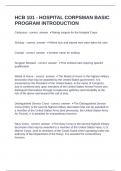
Biocultural Approach: The biocultural approach in anthropology emphasizes the integration of
biological and cultural perspectives in understanding human behavior, evolution, and adaptation. It
acknowledges that human biology and culture are interconnected and
influence each other.
Franz Boas: Franz Boas was a prominent figure in the history of anthropology, known for his
contributions to cultural anthropology and his rejection of biological determinism. His research and ideas
laid the foundation for modern cultural anthropology and emphasized the importance of s
tudying cultures within their contexts.
Hypothesis: A hypothesis is a testable statement or educated guess that proposes a potential
explanation for a phenomenon. In scientific research, assumptions are used to make predictions and
guide empirical investigations.
Scientific Method: The scientific method is a systematic approach scientists use to investigate
and understand natural phenomena. It involves a series of steps to test and refine scientific theories,
including observation, hypothesis formation, experimentation, and analysis.
Biological Anthropology: Biological anthropology is one of the four branches of anthropology
and focuses on the study of human evolution, genetics, primatology, and human biological diversity. It
employs an interdisciplinary approach, integrating knowledge from biology, archaeology, and other fields
to understand the physical aspects of human beings and their ancestors.
Chapter 2
Theory of Evolution: The theory of evolution is a foundational scientific theory that explains the
process of biological change over time in populations of organisms. It proposes that species change
gradually through natural selection, genetic variation, and
adaptation.
Linnaean Taxonomy: Linnaean taxonomy, developed by Carl Linnaeus, is a hierarchical system for
classifying and categorizing living organisms based on shared characteristics. It includes a hierarchy of
categories, from broad groupings like kingdoms and phyla to specific species names.
Mendelian Inheritance: Mendelian inheritance, also known as Mendel's laws or genetics, refers
to the principles of heredity discovered by Gregor Mendel. It explains how traits are inherited from one
generation to the next through the transmission of genes.
Forces of Evolution: The details of evolution
are the processes and mechanisms that drive changes in the genetic composition of populations
over time. They include natural selection (where certain traits provide a reproductive advantage),
Chapter 1 and Chapter 2 key terms
Chapter 1
Biocultural Approach: The biocultural approach in anthropology emphasizes the integration of
biological and cultural perspectives in understanding human behavior, evolution, and adaptation. It
acknowledges that human biology and culture are interconnected and
influence each other.
Franz Boas: Franz Boas was a prominent figure in the history of anthropology, known for his
contributions to cultural anthropology and his rejection of biological determinism. His research and ideas
laid the foundation for modern cultural anthropology and emphasized the importance of s
tudying cultures within their contexts.
Hypothesis: A hypothesis is a testable statement or educated guess that proposes a potential
explanation for a phenomenon. In scientific research, assumptions are used to make predictions and
guide empirical investigations.
Scientific Method: The scientific method is a systematic approach scientists use to investigate
and understand natural phenomena. It involves a series of steps to test and refine scientific theories,
including observation, hypothesis formation, experimentation, and analysis.
Biological Anthropology: Biological anthropology is one of the four branches of anthropology
and focuses on the study of human evolution, genetics, primatology, and human biological diversity. It
employs an interdisciplinary approach, integrating knowledge from biology, archaeology, and other fields
to understand the physical aspects of human beings and their ancestors.
Chapter 2
Theory of Evolution: The theory of evolution is a foundational scientific theory that explains the
process of biological change over time in populations of organisms. It proposes that species change
gradually through natural selection, genetic variation, and
adaptation.
Linnaean Taxonomy: Linnaean taxonomy, developed by Carl Linnaeus, is a hierarchical system for
classifying and categorizing living organisms based on shared characteristics. It includes a hierarchy of
categories, from broad groupings like kingdoms and phyla to specific species names.
Mendelian Inheritance: Mendelian inheritance, also known as Mendel's laws or genetics, refers
to the principles of heredity discovered by Gregor Mendel. It explains how traits are inherited from one
generation to the next through the transmission of genes.
Forces of Evolution: The details of evolution
are the processes and mechanisms that drive changes in the genetic composition of populations
over time. They include natural selection (where certain traits provide a reproductive advantage),