Week Eighteen - Religion
What is the significance of religion in US political culture?
How important is the idea of an American civil religion? To what extent
does it explain the persistence of religious belief in US society and the role
of religion in American identity?
What influence do religious beliefs have on the ways Americans
participate in politics?
What impact has the Christian Right had on American conservatism since
the 1970s and how far does it continue to dominate the political arena?
Do religious beliefs and their influence on politics unite or divide
Americans?
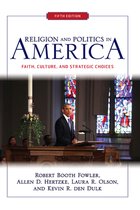
Hertze, Olson, Dulk and Fowler: ‘Religion and Political Culture in America: From the
Historical Legacy to the Present Day’.
2019
The birth of the USA was influenced massively by the Puritan Movement spreading across
Europe. Puritans aimed to ‘purify’ the Church of England and society as a whole. For the
Puritans, America was a blank slate and a fresh start. Therefore, many European Puritans
moved to America in the 1600s.
These Puritans rejected the divine right of Kings principle which plagued Europe, and
instead favoured self-government. They were also very sceptical about human nature,
which influenced the fear over governmental tyranny.
Whilst this Puritanical story all sounds very lovely, it must be said that all of this was ripe
with colonial attitudes and prejudices
Many colonies installed official state churches, but these varied in congregation. For
example, Maryland was Catholic, the New England colonies were Puritans and the southern
states were Anglican. There was also a lot of freedom for other religious groups (Jews,
Quakers, Baptists etc) to practice their faith. New York, for example, was home to many
Jewish settlers. The adoption of the Constitution and Bill of Rights in the late eighteenth
century solidified this notion of religious toleration: ‘Congress shall make no law respecting
an establishment of religion, or prohibiting the free exercise thereof’. [the Religion Clauses of
the First Amendment].
, Week Eighteen - Religion
‘From Reagan to Obama: Tradition Corrupted and (Almost) Recovered’
The 1970s saw the unravelling of the dominant liberal Protestant ideology in the USA –
younger generations were not as concerned with religion as their parents had been. This
was exacerbated by the Vietnam War and other social issues in the 60s/70s which alienated
people from faith. Big money in US politics further divided the people from politicians and
the elites. Religion itself totally changed course in the direction of moral denunciation and
crusader nationalism, led by Ronald Reagan and completed by Bush Sr.
Nixon to Reagan
Richard Nixon is widely considered the first President of the New Right, however, he was
also fairly liberal. He championed the actions of the state in bringing about ‘full
employment, better housing, excellence in education’ ‘rebuilding our cities and improving
our rural areas’ ‘protecting our environment and enhancing the quality of life’.
When Ronald Reagan ascended to the presidency, this changed. He was totally anti-state
involvement in anything (unless it involves telling gay people they can’t have sex and telling
women what they can/ can’t do with their bodies). Reagan insisted that ‘government is not
the solution to our problem’ and that the problems of the 1970s were the direct result of
‘unnecessary and excessive growth of government’. He also loved to mention God. It was
Reagan who introduced the customary ‘God Bless America’ and the end of all the
presidential addresses. What’s particularly interesting is that the Puritans when they first
settled in the USA were very concerned about excessive wealth. Reagan, however, did not
think this was at all an issue, and believed the only source of corruption was the state.
Reagan’s religious views can be seen as Emersonian:
- Both Reagan and Emerson rejected the notion of original sin: ‘my personal belief is
that God couldn’t have created evil so the desire he planted in us are good’. [Reagan,
1951]. This fuelled Reagan’s belief that humans left to their own devices are
naturally good, therefore there is no need for a government to restrain them.
- Believed in the inherent goodness of creation, and the omnipresent nature of God.
However, he diverted from Emerson on the following points:
- God has a plan for everyone, and everything will always work out for the best.
Setbacks are really just opportunities painted as hurdles.
- Reagan also believed that ‘the United States had been set apart by God as an
instrument for spreading freedom throughout the world’. [Philip]
Lou Harris once said that ‘Reagan would have lost the [1980] election by one percentage
point without the help of the Moral Majority’. The Moral Majority was a string of activist
organisations, led by Jerry Falwell, which became known as the New Christian Right.
Following this came the Christian Coalition led by Robertson and Reed, and then the Family
What is the significance of religion in US political culture?
How important is the idea of an American civil religion? To what extent
does it explain the persistence of religious belief in US society and the role
of religion in American identity?
What influence do religious beliefs have on the ways Americans
participate in politics?
What impact has the Christian Right had on American conservatism since
the 1970s and how far does it continue to dominate the political arena?
Do religious beliefs and their influence on politics unite or divide
Americans?
Hertze, Olson, Dulk and Fowler: ‘Religion and Political Culture in America: From the
Historical Legacy to the Present Day’.
2019
The birth of the USA was influenced massively by the Puritan Movement spreading across
Europe. Puritans aimed to ‘purify’ the Church of England and society as a whole. For the
Puritans, America was a blank slate and a fresh start. Therefore, many European Puritans
moved to America in the 1600s.
These Puritans rejected the divine right of Kings principle which plagued Europe, and
instead favoured self-government. They were also very sceptical about human nature,
which influenced the fear over governmental tyranny.
Whilst this Puritanical story all sounds very lovely, it must be said that all of this was ripe
with colonial attitudes and prejudices
Many colonies installed official state churches, but these varied in congregation. For
example, Maryland was Catholic, the New England colonies were Puritans and the southern
states were Anglican. There was also a lot of freedom for other religious groups (Jews,
Quakers, Baptists etc) to practice their faith. New York, for example, was home to many
Jewish settlers. The adoption of the Constitution and Bill of Rights in the late eighteenth
century solidified this notion of religious toleration: ‘Congress shall make no law respecting
an establishment of religion, or prohibiting the free exercise thereof’. [the Religion Clauses of
the First Amendment].
, Week Eighteen - Religion
‘From Reagan to Obama: Tradition Corrupted and (Almost) Recovered’
The 1970s saw the unravelling of the dominant liberal Protestant ideology in the USA –
younger generations were not as concerned with religion as their parents had been. This
was exacerbated by the Vietnam War and other social issues in the 60s/70s which alienated
people from faith. Big money in US politics further divided the people from politicians and
the elites. Religion itself totally changed course in the direction of moral denunciation and
crusader nationalism, led by Ronald Reagan and completed by Bush Sr.
Nixon to Reagan
Richard Nixon is widely considered the first President of the New Right, however, he was
also fairly liberal. He championed the actions of the state in bringing about ‘full
employment, better housing, excellence in education’ ‘rebuilding our cities and improving
our rural areas’ ‘protecting our environment and enhancing the quality of life’.
When Ronald Reagan ascended to the presidency, this changed. He was totally anti-state
involvement in anything (unless it involves telling gay people they can’t have sex and telling
women what they can/ can’t do with their bodies). Reagan insisted that ‘government is not
the solution to our problem’ and that the problems of the 1970s were the direct result of
‘unnecessary and excessive growth of government’. He also loved to mention God. It was
Reagan who introduced the customary ‘God Bless America’ and the end of all the
presidential addresses. What’s particularly interesting is that the Puritans when they first
settled in the USA were very concerned about excessive wealth. Reagan, however, did not
think this was at all an issue, and believed the only source of corruption was the state.
Reagan’s religious views can be seen as Emersonian:
- Both Reagan and Emerson rejected the notion of original sin: ‘my personal belief is
that God couldn’t have created evil so the desire he planted in us are good’. [Reagan,
1951]. This fuelled Reagan’s belief that humans left to their own devices are
naturally good, therefore there is no need for a government to restrain them.
- Believed in the inherent goodness of creation, and the omnipresent nature of God.
However, he diverted from Emerson on the following points:
- God has a plan for everyone, and everything will always work out for the best.
Setbacks are really just opportunities painted as hurdles.
- Reagan also believed that ‘the United States had been set apart by God as an
instrument for spreading freedom throughout the world’. [Philip]
Lou Harris once said that ‘Reagan would have lost the [1980] election by one percentage
point without the help of the Moral Majority’. The Moral Majority was a string of activist
organisations, led by Jerry Falwell, which became known as the New Christian Right.
Following this came the Christian Coalition led by Robertson and Reed, and then the Family