PO207 – Week Two Reading (Constitution)
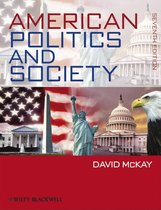
American Politics and Society
Chapter Three: Constitutional Government
David McKay
Origins:
The American Revolution saw citizens seek to eliminate the unjust power and influence of
George III and secure their independence from the regime. However, power changed hands
to a still middle class and professional property-owning elite (so not too radical compared to
the French Revolution for example). The unusual nature of these events are a result of the
unique nature of American colonial society. Unlike most colonies, British Americans had a
great degree of independence and self-sufficiency which were often expressed through local
governments and colonial assemblies which were tolerated by Crown-appointed governors.
This was a ‘distant and benign’ colonial rule (McKay).
However, the 1760s saw domestic problems rise for George III decided to begin exercising
greater power over the colonists:
- All goods imported to the colonies had to go via British ports
- A tax (stamp duty) imposed on all legal docs and newspapers
- Revenue tax levied
- Colonial assemblies prohibiting from issuing their own paper currency
These restrictions were seen as an infringement of the rights of British Americans. It is worth
noting also that during the eighteenth century there was a surge in literature regarding
inalienable rights spread through the social contract theory by Locke, Rousseau and Paine.
Ideas of life, liberty and property dispersed throughout the colonies. It became clear that a
monarch exercising executive power outside of any representative mechanism (a parliament
for example) was not legitimate. In 1774, the colonial assemblies sent delegates to a
national Continental Congress – this marked the first assertion of national independence
by the colonists. 1775 would see fighting break out in Massachusetts, and in 1776, the
Continental Congress adopted the Declaration of Independence which marked the true
beginnings of the United States:
‘all men are created equal, that they are endowed by their Creator with certain
unalienable rights, that among these are life, liberty, and the pursuit of happiness;
that to secure these rights, governments are instituted among men, deriving their
just powers from the consent of the governed; that whenever any form of
government becomes destructive of these ends, it is the right of the people to alter or
to abolish it, and to institute new government, laying its foundation on such
principles, and organising its power in such form, as to them shall seem most likely to
effect their safety and happiness’.
After fighting with the British, in 1781 a new system of government was established under
the Articles of Confederation (this in effect, was the first American constitution). A Congress
was created without an executive or judiciary. The arrangements were like those of the
, PO207 – Week Two Reading (Constitution)
Confederation. Individual states kept their autonomy granting certain powers to Congress.
Namely the powers to:
- Declare wars
- Establish treaties
- Regulate weights and measures
- Oversee Indian affairs
- Run a post office
- Establish an army and navy
No mandatory power to raise taxes. Instead, Congress relied upon voluntary contributions
from state legislatures. Each state was able to issues its own paper money and regulate
commerce within its boundaries. This weak system of government simply would not be able
to last. Additionally, the war created even more disparities between the better-off (who had
lent money to finance the fighting) and the debtor class who had had to mortgage off small
farms/ houses to finance economic dislocation. This culminated in a small rebellion in 1787
Massachusetts where Daniel Shays led 1000 men to block the proceedings of the state’s
high court. This rebellion, whilst defeated, reminded citizens that the new Congress was not
able to provide national economic security. During 1787, 55 delegates assembled in
Philadelphia to produce a new constitutional arrangement for the US. These 55 delegates
became known as the Founding Fathers. Four main ideas stood out to them:
- Social contract theory (consent to be governed)
- Representation (limited democracy – only the House of Reps to be directly voted for
by the people. The senators nominated by state legislatures (not any more) and
president chosen by an electoral college)
- Separation of powers (Congress – Senate and the House of Reps, Supreme Court,
Executive).
- Federalism
American Politics and Society
Chapter Three: Constitutional Government
David McKay
Origins:
The American Revolution saw citizens seek to eliminate the unjust power and influence of
George III and secure their independence from the regime. However, power changed hands
to a still middle class and professional property-owning elite (so not too radical compared to
the French Revolution for example). The unusual nature of these events are a result of the
unique nature of American colonial society. Unlike most colonies, British Americans had a
great degree of independence and self-sufficiency which were often expressed through local
governments and colonial assemblies which were tolerated by Crown-appointed governors.
This was a ‘distant and benign’ colonial rule (McKay).
However, the 1760s saw domestic problems rise for George III decided to begin exercising
greater power over the colonists:
- All goods imported to the colonies had to go via British ports
- A tax (stamp duty) imposed on all legal docs and newspapers
- Revenue tax levied
- Colonial assemblies prohibiting from issuing their own paper currency
These restrictions were seen as an infringement of the rights of British Americans. It is worth
noting also that during the eighteenth century there was a surge in literature regarding
inalienable rights spread through the social contract theory by Locke, Rousseau and Paine.
Ideas of life, liberty and property dispersed throughout the colonies. It became clear that a
monarch exercising executive power outside of any representative mechanism (a parliament
for example) was not legitimate. In 1774, the colonial assemblies sent delegates to a
national Continental Congress – this marked the first assertion of national independence
by the colonists. 1775 would see fighting break out in Massachusetts, and in 1776, the
Continental Congress adopted the Declaration of Independence which marked the true
beginnings of the United States:
‘all men are created equal, that they are endowed by their Creator with certain
unalienable rights, that among these are life, liberty, and the pursuit of happiness;
that to secure these rights, governments are instituted among men, deriving their
just powers from the consent of the governed; that whenever any form of
government becomes destructive of these ends, it is the right of the people to alter or
to abolish it, and to institute new government, laying its foundation on such
principles, and organising its power in such form, as to them shall seem most likely to
effect their safety and happiness’.
After fighting with the British, in 1781 a new system of government was established under
the Articles of Confederation (this in effect, was the first American constitution). A Congress
was created without an executive or judiciary. The arrangements were like those of the
, PO207 – Week Two Reading (Constitution)
Confederation. Individual states kept their autonomy granting certain powers to Congress.
Namely the powers to:
- Declare wars
- Establish treaties
- Regulate weights and measures
- Oversee Indian affairs
- Run a post office
- Establish an army and navy
No mandatory power to raise taxes. Instead, Congress relied upon voluntary contributions
from state legislatures. Each state was able to issues its own paper money and regulate
commerce within its boundaries. This weak system of government simply would not be able
to last. Additionally, the war created even more disparities between the better-off (who had
lent money to finance the fighting) and the debtor class who had had to mortgage off small
farms/ houses to finance economic dislocation. This culminated in a small rebellion in 1787
Massachusetts where Daniel Shays led 1000 men to block the proceedings of the state’s
high court. This rebellion, whilst defeated, reminded citizens that the new Congress was not
able to provide national economic security. During 1787, 55 delegates assembled in
Philadelphia to produce a new constitutional arrangement for the US. These 55 delegates
became known as the Founding Fathers. Four main ideas stood out to them:
- Social contract theory (consent to be governed)
- Representation (limited democracy – only the House of Reps to be directly voted for
by the people. The senators nominated by state legislatures (not any more) and
president chosen by an electoral college)
- Separation of powers (Congress – Senate and the House of Reps, Supreme Court,
Executive).
- Federalism