PATHOPHYSIOLOGY EXAM 1 STUDY GUIDE CELLULAR AND TISSUE FUNCTION
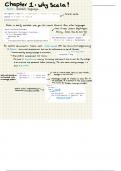
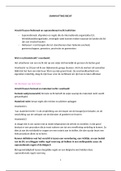
Embryonic Origin of body tissues • A fertilized ovum develops into an embryo • Cells differentiate into 4 basic tissues, which include: the epithelium, muscle, connective and nervous tissue o The ectoderm develops into epithelium o The mesoderm develops into epithelium, muscle and connective tissue o The endoderm develops into nervous tissue • A cell is comprised of a plasma membrane, a nucleus (which contains DNA and RNA), and the cytoplasm which contains organelles such as: ribosomes, the endoplasmic reticulum, the golgi apparatus, mitochondrion, and lysosomes Cell metabolism • Energy metabolism is the process which converts carbohydrates, fats and proteins into energy needed for cell function • ATP is the major source of cellular energy • The 2 types of metabolism include: aerobic or anaerobic metabolism (which occurs in the absence of oxygen and results in lactic acid build up) Membrane transport mechanisms include: • diffusion, facilitated diffusion and active transport (which requires ATP and transport is directed against the concentration gradient) The normal cell responds to physiologic and pathologic stresses by adapting • Atrophy – decrease in cellular size o Ex. As we don’t use muscles, they shrink, including skeletal, cardiac, cerebral and secondary sex organs. Ex. atrophy can result due to prolonged bed use. • Hypertrophy – increase in cell size o Ex. The heart muscle cells when stressed will increase in size and won’t be as effective, commonly seen in ventricular hypertrophy. • Hyperplasia – increase in the number of cells; it is a compensatory mechanism that enables organs to regenerate o Ex. With pregnancy, hormonal hyperplasia enables the uterus to enlarge. Also seen in breastfeeding. • Metaplasia – replacement of one mature cell by another; due to chronic inflammation o Ex. Lung cells of smokers! However, the replaced tissue will not work as effective as normal tissue. Bronchial metaplasia can be reversed if the inducing stimulus, usually cigarette smoking is removed. With prolonged exposure to the inducing stimulus, however, dysplasia and cancerous transformation can occur. • Dysplasia – abnormal changes in the size, shape and organization of a mature cell o Ex. This mechanism is a precursor of cancer and is also due to chronic inflammation. A peptic ulcer for instance, causes cells to change and become cancerous
École, étude et sujet
- Établissement
- Nursing ati
- Cours
- Nursing ati
Infos sur le Document
- Publié le
- 16 août 2023
- Nombre de pages
- 46
- Écrit en
- 2023/2024
- Type
- Examen
- Contient
- Questions et réponses
Sujets
-
pathophysiology exam 1 study guide cellular and ti