TAX LAW SARA AHMED
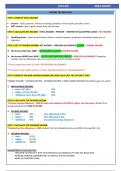
INCOME TAX 2023-2024
STEP 1: IDENTIFY TOTAL INCOME
• Income = salary, pension, interest on savings, dividend, rental income, benefits in kind
• NOT income = gifts, capital receipt from one off sales
STEP 2: CALCULATE NET INCOME: TOTAL INCOME – PENSION – INTEREST OF QUALIFYING LOANS = NET INCOME
• Qualifying loans = loans in partnership, shares in a close company, employee-controlled company or co-
operative
STEP 3: GET TO TAXABLE INCOME: NET INCOME – PERSONAL ALLOWANCE (12.570) = TAXABLE INCOME
Ø Net income LESS than 100k? = NET INCOME – 12.570 = TAXABLE INCOME
Ø Net income MORE than 100k? = 12.570 – (NET INCOME – 100K): 2 = REDUCED ALLOWANCE (if negative
number, then no allowance, then net income will equal the taxable income).
*If Net income more than 125.140 = NO PERSONAL ALLOWANCE!
*If on exam it says taxable income, it means personal allowance is already deducted!
STEP 4: IDENTIFY THE NON-SAVINGS INCOME (NSI) AND CALCULATE THE TAX ON IT FIRST
TAXABLE INCOME – SAVINGS INCOME – DIVIDEND INCOME = NON-SAVINGS INCOME (Sometimes given on exam)
1) NON-SAVINGS INCOME:
• Basic: 0-37.500 = 20%
• Higher: 37.701-125.140 = 40%
• Additional: More than 125.140k = 45%
STEP 6: CALCULATE THE SAVINGS INCOME
*Personal savings allowance = 1000 for basic rate taxpayers and 500 for higher rate tax payers. Deduct from
savings allowance and ADD to the NSI.
2) SAVINGS INCOME:
• Basic: 20% (first 1000 taxed at 0%)
• Higher: 40% (first 500 taxed at 0%)
• Additional 45% (no personal savings allowance)
STEP 7: CALCULATE THE DIVIDEND INCOME
*Dividend tax free allowance is 1000. Deduct this from dividend income and ADD to the Jug (NSI + SI)
3) DIVIDEND INCOME:
• Basic: 8,75%
• Higher: 33.75%
• Additional: 39,35%
SUGGESTION TO PAY LESS TAX:
- TRANSFER TO SPOUSE IF THEY HAVE PERSONAL ALLOWANCE LEFT AND PAY BASIC RATE
- INCREASE PENSION CONTRIBUTION TO REDUCE THE NET INCOME
- MAKE ISA CONTRIBUTIONS
INCOME TAX 2023-2024
STEP 1: IDENTIFY TOTAL INCOME
• Income = salary, pension, interest on savings, dividend, rental income, benefits in kind
• NOT income = gifts, capital receipt from one off sales
STEP 2: CALCULATE NET INCOME: TOTAL INCOME – PENSION – INTEREST OF QUALIFYING LOANS = NET INCOME
• Qualifying loans = loans in partnership, shares in a close company, employee-controlled company or co-
operative
STEP 3: GET TO TAXABLE INCOME: NET INCOME – PERSONAL ALLOWANCE (12.570) = TAXABLE INCOME
Ø Net income LESS than 100k? = NET INCOME – 12.570 = TAXABLE INCOME
Ø Net income MORE than 100k? = 12.570 – (NET INCOME – 100K): 2 = REDUCED ALLOWANCE (if negative
number, then no allowance, then net income will equal the taxable income).
*If Net income more than 125.140 = NO PERSONAL ALLOWANCE!
*If on exam it says taxable income, it means personal allowance is already deducted!
STEP 4: IDENTIFY THE NON-SAVINGS INCOME (NSI) AND CALCULATE THE TAX ON IT FIRST
TAXABLE INCOME – SAVINGS INCOME – DIVIDEND INCOME = NON-SAVINGS INCOME (Sometimes given on exam)
1) NON-SAVINGS INCOME:
• Basic: 0-37.500 = 20%
• Higher: 37.701-125.140 = 40%
• Additional: More than 125.140k = 45%
STEP 6: CALCULATE THE SAVINGS INCOME
*Personal savings allowance = 1000 for basic rate taxpayers and 500 for higher rate tax payers. Deduct from
savings allowance and ADD to the NSI.
2) SAVINGS INCOME:
• Basic: 20% (first 1000 taxed at 0%)
• Higher: 40% (first 500 taxed at 0%)
• Additional 45% (no personal savings allowance)
STEP 7: CALCULATE THE DIVIDEND INCOME
*Dividend tax free allowance is 1000. Deduct this from dividend income and ADD to the Jug (NSI + SI)
3) DIVIDEND INCOME:
• Basic: 8,75%
• Higher: 33.75%
• Additional: 39,35%
SUGGESTION TO PAY LESS TAX:
- TRANSFER TO SPOUSE IF THEY HAVE PERSONAL ALLOWANCE LEFT AND PAY BASIC RATE
- INCREASE PENSION CONTRIBUTION TO REDUCE THE NET INCOME
- MAKE ISA CONTRIBUTIONS