

All INTO lecture notes
First lecture
Introduction lecture, lecture 1 understanding tourism
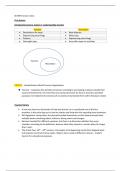
Tourism Recreation
• Destinations far away • Near distance
• Experiencing new things • Many trips
• Cultures • Experiencing new things
• Overnight stays • Very often open air activities
Tourism
Recreation
UNWTO – United Nations World Tourism Organization
➔ Tourism – comprises the activities of persons traveling to and staying in places outside their
usual environment for not more than one consecutive year for leisure, business and other
purposes not related to the exercise of an activity remunerated from within the place visited.
Tourism history
➢ A man was found on the border of Italy and Austria, he is considered one of the first
travellers in the early days as he had not clothes and food with him spending time elsewhere.
➢ Rich Egyptians: saving ships, the pharaohs prided themselves on their pleasure boats with
multiple decks containing cabins, kitchens, dining rooms and lounges.
➢ Romans travelled for different purposes, but there is a discussion whether they were
travellers according to the definition, because often they stayed in a certain place for longer
than a year.
➢ The Grand Tour, 18th – 20th century, rich people in the beginning mainly from England went
to European countries (France, Spain, Italy) to have a look at different cultures – modern
tourism for educational purposes.
,When did the Mass Tourism started?
• According to one article, mass tourism started after world war II, because there were many
planes left and a few entrepreneurs bought some of these and sent people to destinations in
Europe.
• Industrialisation and urbanization, people mainly from villages come to the cities and had
paid pleasure time.
• Buying power developments
• Leisure time, in the summer 1938, thousands of working class. Britons got their very first
tastes of sun, sea and sand, thanks to a new law trat meant they could take paid holiday.
• Transport possibilities, facilities and communication.
Thomas Cook – an English businessman, best known for founding the travel agency Thomas Cook &
Son.
- 1841 – first holiday by Cook personally (trip covered 10p)
- 1851 – first public travel agency
- 1855 – first trips outside England
- 1869 – first trip outside Europe to Egypt
- 1872 – first global trip again personally guided by Cook.
Tourism core aspects
Three components Three conditions
• Transport • Leisure time
• Accommodation • Money
• Entertainment • Information (distribution)
Not necessary to meet all of them All of them are necessary
, Toursim actors/stakeholders
Industry
Destination Traveller
Industry Destination Traveller
➢ Entrepreneurs (as for • Countries • Individuals
money)
• Tourism • Regions • Target groups
accommodation
• Attractions • Cities • Segment
• Theme parks • Attractions • Generation
• Tour operators • Country sides • Consumer
• Research & • Man-made landscapes • Special interest groups
consultancy
• Travel agencies • Life style groups
➢ Governmental
organisations
• State
departments
• Regions, cities
➢ Organizations (non
profit)
• Landscape
management
organizations
• Industry
associations
• Destination
management
organizations
(NETC Holland
Marketing)
➢ Education and Research
• E.g. Breda
University of
Applied
Sciences
First lecture
Introduction lecture, lecture 1 understanding tourism
Tourism Recreation
• Destinations far away • Near distance
• Experiencing new things • Many trips
• Cultures • Experiencing new things
• Overnight stays • Very often open air activities
Tourism
Recreation
UNWTO – United Nations World Tourism Organization
➔ Tourism – comprises the activities of persons traveling to and staying in places outside their
usual environment for not more than one consecutive year for leisure, business and other
purposes not related to the exercise of an activity remunerated from within the place visited.
Tourism history
➢ A man was found on the border of Italy and Austria, he is considered one of the first
travellers in the early days as he had not clothes and food with him spending time elsewhere.
➢ Rich Egyptians: saving ships, the pharaohs prided themselves on their pleasure boats with
multiple decks containing cabins, kitchens, dining rooms and lounges.
➢ Romans travelled for different purposes, but there is a discussion whether they were
travellers according to the definition, because often they stayed in a certain place for longer
than a year.
➢ The Grand Tour, 18th – 20th century, rich people in the beginning mainly from England went
to European countries (France, Spain, Italy) to have a look at different cultures – modern
tourism for educational purposes.
,When did the Mass Tourism started?
• According to one article, mass tourism started after world war II, because there were many
planes left and a few entrepreneurs bought some of these and sent people to destinations in
Europe.
• Industrialisation and urbanization, people mainly from villages come to the cities and had
paid pleasure time.
• Buying power developments
• Leisure time, in the summer 1938, thousands of working class. Britons got their very first
tastes of sun, sea and sand, thanks to a new law trat meant they could take paid holiday.
• Transport possibilities, facilities and communication.
Thomas Cook – an English businessman, best known for founding the travel agency Thomas Cook &
Son.
- 1841 – first holiday by Cook personally (trip covered 10p)
- 1851 – first public travel agency
- 1855 – first trips outside England
- 1869 – first trip outside Europe to Egypt
- 1872 – first global trip again personally guided by Cook.
Tourism core aspects
Three components Three conditions
• Transport • Leisure time
• Accommodation • Money
• Entertainment • Information (distribution)
Not necessary to meet all of them All of them are necessary
, Toursim actors/stakeholders
Industry
Destination Traveller
Industry Destination Traveller
➢ Entrepreneurs (as for • Countries • Individuals
money)
• Tourism • Regions • Target groups
accommodation
• Attractions • Cities • Segment
• Theme parks • Attractions • Generation
• Tour operators • Country sides • Consumer
• Research & • Man-made landscapes • Special interest groups
consultancy
• Travel agencies • Life style groups
➢ Governmental
organisations
• State
departments
• Regions, cities
➢ Organizations (non
profit)
• Landscape
management
organizations
• Industry
associations
• Destination
management
organizations
(NETC Holland
Marketing)
➢ Education and Research
• E.g. Breda
University of
Applied
Sciences


