Microeconomics
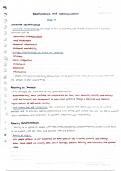
by Paul Krugman and Robin Wells
Here, microeconomics is broken down into key points and explained in more detail.
Introduction:
Microeconomics is the branch of economics focused on the study of individual economic
agents such as households, firms and markets.
Investigate how these units determine resource allocation and analyze their behavior and
interactions.
Supply and demand:
Supply and demand are basic concepts in microeconomics.
Demand refers to the quantity of goods or services that consumers are willing to purchase at
various prices.
Supply represents the amount of goods or services that manufacturers are willing to offer
at various prices. The interaction of supply and demand in the market determines the
equilibrium price and quantity agreed upon by buyers and sellers.
Elasticity:
Elasticity measures the responsiveness of quantity supplied or demanded to changes in
price.
Price elasticity of demand indicates how sensitive consumer demand is to price changes.
Price elasticity of supply measures how quickly producers react to price changes.
Elastic products are more responsive and inelastic products are less responsive.
Elasticity is important for understanding how price changes affect buy and sell volumes.
Consumer behavior:
by Paul Krugman and Robin Wells
Here, microeconomics is broken down into key points and explained in more detail.
Introduction:
Microeconomics is the branch of economics focused on the study of individual economic
agents such as households, firms and markets.
Investigate how these units determine resource allocation and analyze their behavior and
interactions.
Supply and demand:
Supply and demand are basic concepts in microeconomics.
Demand refers to the quantity of goods or services that consumers are willing to purchase at
various prices.
Supply represents the amount of goods or services that manufacturers are willing to offer
at various prices. The interaction of supply and demand in the market determines the
equilibrium price and quantity agreed upon by buyers and sellers.
Elasticity:
Elasticity measures the responsiveness of quantity supplied or demanded to changes in
price.
Price elasticity of demand indicates how sensitive consumer demand is to price changes.
Price elasticity of supply measures how quickly producers react to price changes.
Elastic products are more responsive and inelastic products are less responsive.
Elasticity is important for understanding how price changes affect buy and sell volumes.
Consumer behavior: