Mr Birling Notes
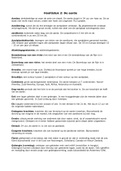
He represents toxic masculinity as he pushes a stereotypical male attitude onto his son.
He represents Pride and Gluttony from the 7 deadly sins: his Pride doesn’t allow him to accept
his role in the death of Eva Smith. His Glutton is showcased in how he values high profit over
human lives.
Mr Birling uses the engagement of Sheila and Gerald as a business proposition, as he
comments on how now the Crofts and Birlings can work together for ‘lower costs and higher
prices’. This shows how Birling is willing to exploit anyone, even his daughter to get what he
wants - which is success in business. This shows that Birling is completely immoral, and by
extension that capitalism is immoral, as Birling represents Capitalism.
Priestley uses Dramatic Irony extensively in reference to Mr Birling as Birling comments on how
things are only going to get ‘better’. However, the Sinking of the Titanic, Industrial Unrest, WW1,
the Great Depression, and WW2 have all happened between the events of the play and when
the audience of 1945 would be watching it. This discredits capitalism, as its mouthpiece is seen
as stupid and unknowledgeable. Mr Birling also makes a comment about ‘steadily increasing
prosperity’, when in reality from 1929 to 1939, most of the world was engulfed in the Great
Depression, as a result of the Wall Street Crash of 1929.
Birling also says that the Titanic is ‘absolutely unsinkable’ - when in reality it sunk mere days
after leaving Portsmouth. The Titanic was a symbol for the upper classes of society as it was
only affordable to those members of society. However, as the Titanic sank, and the societal
structure of Edwardian society crumbled with the emergence of Socialism in the 1940s, it could
be a symbol for how the Birlings sank during the course of the play.
Priestley uses hubris to present Birling in the play. Hubris is foolish pride and dangerous
overconfidence used in plays to create a dislikeable character. Birling talks about how things are
going to get better, ‘let’s say in 1940’. In actual fact, 1940 was one of the worst years for the
British as Dunkirk and the Blitz both took place during 1940. It was one of the worst years for
British casualties during the war, and was just before the USA joined the war.
The use of coloquial language to present Mr Birling makes him seem less intimidating as he
speaks the same way the majority of the audience would speak the same way. This shows that
Birling is less untouchable than he thinks he is as he is not as well-versed in the strict verbatim
of the upper classes as his wife or Gerald Croft are.
Birling also hesitates a lot as he speaks which shows that he is not as confident as he thinks he
is, especially in comparison to the Inspector who speaks calmly and assertively.
Mr Birling is used to criticise Capitalist complacency as he returns to his own callousness at the
end of the play. This is important as contextually at the time, the labour party had just won a
landslide victory in the 1945 election, as many wanted a socialist welfare service to provide
healthcare and education to the rich and poor alike, as they had suffered greatly at the hands of
the war.
He represents toxic masculinity as he pushes a stereotypical male attitude onto his son.
He represents Pride and Gluttony from the 7 deadly sins: his Pride doesn’t allow him to accept
his role in the death of Eva Smith. His Glutton is showcased in how he values high profit over
human lives.
Mr Birling uses the engagement of Sheila and Gerald as a business proposition, as he
comments on how now the Crofts and Birlings can work together for ‘lower costs and higher
prices’. This shows how Birling is willing to exploit anyone, even his daughter to get what he
wants - which is success in business. This shows that Birling is completely immoral, and by
extension that capitalism is immoral, as Birling represents Capitalism.
Priestley uses Dramatic Irony extensively in reference to Mr Birling as Birling comments on how
things are only going to get ‘better’. However, the Sinking of the Titanic, Industrial Unrest, WW1,
the Great Depression, and WW2 have all happened between the events of the play and when
the audience of 1945 would be watching it. This discredits capitalism, as its mouthpiece is seen
as stupid and unknowledgeable. Mr Birling also makes a comment about ‘steadily increasing
prosperity’, when in reality from 1929 to 1939, most of the world was engulfed in the Great
Depression, as a result of the Wall Street Crash of 1929.
Birling also says that the Titanic is ‘absolutely unsinkable’ - when in reality it sunk mere days
after leaving Portsmouth. The Titanic was a symbol for the upper classes of society as it was
only affordable to those members of society. However, as the Titanic sank, and the societal
structure of Edwardian society crumbled with the emergence of Socialism in the 1940s, it could
be a symbol for how the Birlings sank during the course of the play.
Priestley uses hubris to present Birling in the play. Hubris is foolish pride and dangerous
overconfidence used in plays to create a dislikeable character. Birling talks about how things are
going to get better, ‘let’s say in 1940’. In actual fact, 1940 was one of the worst years for the
British as Dunkirk and the Blitz both took place during 1940. It was one of the worst years for
British casualties during the war, and was just before the USA joined the war.
The use of coloquial language to present Mr Birling makes him seem less intimidating as he
speaks the same way the majority of the audience would speak the same way. This shows that
Birling is less untouchable than he thinks he is as he is not as well-versed in the strict verbatim
of the upper classes as his wife or Gerald Croft are.
Birling also hesitates a lot as he speaks which shows that he is not as confident as he thinks he
is, especially in comparison to the Inspector who speaks calmly and assertively.
Mr Birling is used to criticise Capitalist complacency as he returns to his own callousness at the
end of the play. This is important as contextually at the time, the labour party had just won a
landslide victory in the 1945 election, as many wanted a socialist welfare service to provide
healthcare and education to the rich and poor alike, as they had suffered greatly at the hands of
the war.