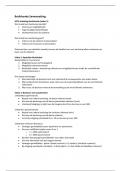
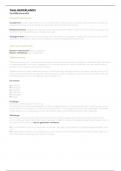
CRIME AND DEVIANCE–
Functionalism and strain theory/
subcultural theories
● Some crime is desirable
● Polsky– safety valve like porn
● Durkheim– crime results from poor socialisation and social control
● Durkheim– crime and deviance result from anomie
● Crime and deviance create social change as crime is a construct
● Merton– strain theory– disparity between desire and ability to achieve
desires
● Merton– conformity, innovation, ritualism, retreatism, rebellion
● Cohen– status frustration explains non-economically motivated crime
● Cloward and ohlin– three subcultures criminal, retreatist, conflict
● Miller– w/c focal concerns are different from m/c and more conducive to
deviance. Toughness, trouble, fate, autonomy etcetera
● Matza– delinquency drift– people drift in and out of delinquency as
subterranean values surface then become dormant
Interactionism and labelling theory
● Becker– crime is constructed by moral entrepreneurs
● Cicourel– typifications create sfp and spirals
● Lemert– primary and secondary deviance
● Jock young and hippies. Marijuanna use became part of identity
● Cohen– deviancy amplification spiral mods and rockers
● Braithwaite– disintegrative and reintegrative shaming
Mental illness and suicide as deviance
● Douglas– suicide social construct of coroners etcetera
● Rosenhan– pseudo-patient study. Master status= schizophrenic
● Goffman– mortification of the self
Marxism–
- Gordon– criminogenic capitalism
- Chambliss– laws protect property
, - Pearce– ideological functions of crime… criminalising worker
exploitation only serves to give capitalism a human face
Neo-marxism–
- Taylor et al– criminals have chosen freely to commit crime
Corporate crime
● White collar crime
● Carabine et al– abuse of trust. Shipman
● Corporate crime is often invisible due to media/political investment
● Explained in all the same ways as normal crime
Right-realist approaches to crime
● Wilson– some people are biologically predisposed to crime– lombroso
● Murray– underclass/lumpenproletariat failure to socialise children
causes crime
● Murray– decline in marriage has led to women led families and women
cannot raise children properly alone
● Clarke– crimes are committed as a result of a rational choice
● Target hardening
● Kelling– broken windows thesis
Left-realist approaches to crime
● Young– relative deprivation of the w/c
● Young– late modernity causes instability both socially and economically
and leads to an increase in crime
● Kinsey– police must win back support of local community
● Dealing with inequality will reduce crime
Gender and crime
● ⅘ of convicts are men
● Men commit more crime
● Pollack– chivalry thesis helps women
● Farrington and morris– study of 408 cases found no chivalry
Functionalism and strain theory/
subcultural theories
● Some crime is desirable
● Polsky– safety valve like porn
● Durkheim– crime results from poor socialisation and social control
● Durkheim– crime and deviance result from anomie
● Crime and deviance create social change as crime is a construct
● Merton– strain theory– disparity between desire and ability to achieve
desires
● Merton– conformity, innovation, ritualism, retreatism, rebellion
● Cohen– status frustration explains non-economically motivated crime
● Cloward and ohlin– three subcultures criminal, retreatist, conflict
● Miller– w/c focal concerns are different from m/c and more conducive to
deviance. Toughness, trouble, fate, autonomy etcetera
● Matza– delinquency drift– people drift in and out of delinquency as
subterranean values surface then become dormant
Interactionism and labelling theory
● Becker– crime is constructed by moral entrepreneurs
● Cicourel– typifications create sfp and spirals
● Lemert– primary and secondary deviance
● Jock young and hippies. Marijuanna use became part of identity
● Cohen– deviancy amplification spiral mods and rockers
● Braithwaite– disintegrative and reintegrative shaming
Mental illness and suicide as deviance
● Douglas– suicide social construct of coroners etcetera
● Rosenhan– pseudo-patient study. Master status= schizophrenic
● Goffman– mortification of the self
Marxism–
- Gordon– criminogenic capitalism
- Chambliss– laws protect property
, - Pearce– ideological functions of crime… criminalising worker
exploitation only serves to give capitalism a human face
Neo-marxism–
- Taylor et al– criminals have chosen freely to commit crime
Corporate crime
● White collar crime
● Carabine et al– abuse of trust. Shipman
● Corporate crime is often invisible due to media/political investment
● Explained in all the same ways as normal crime
Right-realist approaches to crime
● Wilson– some people are biologically predisposed to crime– lombroso
● Murray– underclass/lumpenproletariat failure to socialise children
causes crime
● Murray– decline in marriage has led to women led families and women
cannot raise children properly alone
● Clarke– crimes are committed as a result of a rational choice
● Target hardening
● Kelling– broken windows thesis
Left-realist approaches to crime
● Young– relative deprivation of the w/c
● Young– late modernity causes instability both socially and economically
and leads to an increase in crime
● Kinsey– police must win back support of local community
● Dealing with inequality will reduce crime
Gender and crime
● ⅘ of convicts are men
● Men commit more crime
● Pollack– chivalry thesis helps women
● Farrington and morris– study of 408 cases found no chivalry