BUSINESS DEFINITIONS
HAYLEY
1.1.1
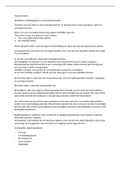
THE MARKET – where buyers + sellers meet, either face-to-face or online, with the purpose of trade
MASS MARKET – where a business sells into the largest part of a very big market + there are many
similar products on offer
NICHE MARKET – where a business targets a smaller sub-market/segment of a larger market, where
customers have specific needs + wants
DYNAMIC MARKETS – markets which are subject to change (usually rapid)
COMPETITION – occurs when 2 or more businesses act independently to supply goods/services to
the same group of consumers
DIRECT COMPETITION – when businesses produce similar products that appeal to the same group of
consumers
INDIRECT COMPETITION – when different businesses make/sell products that are not in direct
competition but compete for the same consumer expenditure
RISK – something that can be planned for
UNCERTAINTY – caused by unexpected, often external, factors outside the entrepreneur’s control,
even though sometimes they can be predicted
1.1.2
PRODUCT ORIENTATION – when a business priorities a product’s design quality or performance
rather than meeting customer preferences to guide production + marketing decisions
MARKET ORIENTATION – involves business owners taking into consideration the needs of the
consumers before making any decisions
PRIMARY MARKET RESEARCH – market research which is undertaken by the business itself, doing
the research first-hand for their own specific purpose/needs
SECONDARY MARKET RESEARCH – a business uses information which has been done by someone
else
QUANTITATIVE DATA – numerical + can be analysed statistically
QUALITATIVE DATA – based upon thoughts + opinions collected by open questions
MARKET SEGMENTATION – breaking up of a large market into different parts according to the
relevant needs/ages/tastes of the customers
1.1.3
MARKET MAPPING – method that businesses use to spot a gap in the market
PRODUCT DIFFERENTIATION – refers to how a business might distinguish its product/service from
competitors given its distinctive feature or through marketing in a different way to emphasise a USP
ADDED VALUE – difference between the price that is charged + the total cost of inputs required to
create the product/service
HAYLEY
1.1.1
THE MARKET – where buyers + sellers meet, either face-to-face or online, with the purpose of trade
MASS MARKET – where a business sells into the largest part of a very big market + there are many
similar products on offer
NICHE MARKET – where a business targets a smaller sub-market/segment of a larger market, where
customers have specific needs + wants
DYNAMIC MARKETS – markets which are subject to change (usually rapid)
COMPETITION – occurs when 2 or more businesses act independently to supply goods/services to
the same group of consumers
DIRECT COMPETITION – when businesses produce similar products that appeal to the same group of
consumers
INDIRECT COMPETITION – when different businesses make/sell products that are not in direct
competition but compete for the same consumer expenditure
RISK – something that can be planned for
UNCERTAINTY – caused by unexpected, often external, factors outside the entrepreneur’s control,
even though sometimes they can be predicted
1.1.2
PRODUCT ORIENTATION – when a business priorities a product’s design quality or performance
rather than meeting customer preferences to guide production + marketing decisions
MARKET ORIENTATION – involves business owners taking into consideration the needs of the
consumers before making any decisions
PRIMARY MARKET RESEARCH – market research which is undertaken by the business itself, doing
the research first-hand for their own specific purpose/needs
SECONDARY MARKET RESEARCH – a business uses information which has been done by someone
else
QUANTITATIVE DATA – numerical + can be analysed statistically
QUALITATIVE DATA – based upon thoughts + opinions collected by open questions
MARKET SEGMENTATION – breaking up of a large market into different parts according to the
relevant needs/ages/tastes of the customers
1.1.3
MARKET MAPPING – method that businesses use to spot a gap in the market
PRODUCT DIFFERENTIATION – refers to how a business might distinguish its product/service from
competitors given its distinctive feature or through marketing in a different way to emphasise a USP
ADDED VALUE – difference between the price that is charged + the total cost of inputs required to
create the product/service