Contingency Planning
What is contingency planning?
It is a management tool used to ensure that adequate arrangements are made in
anticipation of a crisis - reasonable foreseeability -This is achieved primarily through the
participation in the contingency planning process itself, as well as through follow-up
actions and if required subsequent revision of plans
- A Contingency plan is a plan devised for a specific situation when things could go
wrong.
Plans which are developed for possible operations where the planning factors (e.g.
scope, risks, area of responsibility etc.) have been identified or can be assumed.
- Preparing to deal with calamities (e.g., floods) and non-calamitous situations (e.g. ,
strikes) before they occur.
Disaster plans plan - broad and general i.e. protocols
Describe WHAT actions are to be performed
Tactical plan - detailed and focused Describe: HOW actions will be performed WHO will
perform them WHEN will actions be performed WHERE actions will be performed
Step 1: Coordinating and preparing the process for contingency planning
Understanding the context helps build the process on what exists in terms of planning,
operational procedures and avoids duplication.
Define the scope of the process by identifying functions first and then identifying
agencies who should be involved. This may include non-governmental actors. This will
ID stakeholders. Within the stakeholders, identify a core working group while keeping
the larger group within the information sharing process this working group will liaise with
other agencies as needed. All involved should agree to the planning process and it must
be OWNED
There may be a need to formulate working groups depending upon the complexity of
the situation at hand.
Schedule meetings and the planning process.
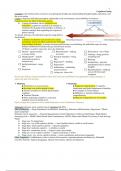
Step 2: Context analysis, scenario building and defining planning assumptions;
Context Analysis, scenario building and defining Planning Assumptions
Define all the possible threats and risks that emanate from the impending disaster /
emergency situation
Risks having generally a similar impact, both structural and non-structural (humanitarian
losses) should be grouped under one scenario.
Quantify the potential losses, structural and non- structural, from each scenario to
formulate planning assumptions.
Prioritize the scenarios based on an agreed criterion (loss of human life, economic
losses, and political considerations).
Scenario building... Scenario building and defining Planning Assumptions prioritize the
scenarios
What is contingency planning?
It is a management tool used to ensure that adequate arrangements are made in
anticipation of a crisis - reasonable foreseeability -This is achieved primarily through the
participation in the contingency planning process itself, as well as through follow-up
actions and if required subsequent revision of plans
- A Contingency plan is a plan devised for a specific situation when things could go
wrong.
Plans which are developed for possible operations where the planning factors (e.g.
scope, risks, area of responsibility etc.) have been identified or can be assumed.
- Preparing to deal with calamities (e.g., floods) and non-calamitous situations (e.g. ,
strikes) before they occur.
Disaster plans plan - broad and general i.e. protocols
Describe WHAT actions are to be performed
Tactical plan - detailed and focused Describe: HOW actions will be performed WHO will
perform them WHEN will actions be performed WHERE actions will be performed
Step 1: Coordinating and preparing the process for contingency planning
Understanding the context helps build the process on what exists in terms of planning,
operational procedures and avoids duplication.
Define the scope of the process by identifying functions first and then identifying
agencies who should be involved. This may include non-governmental actors. This will
ID stakeholders. Within the stakeholders, identify a core working group while keeping
the larger group within the information sharing process this working group will liaise with
other agencies as needed. All involved should agree to the planning process and it must
be OWNED
There may be a need to formulate working groups depending upon the complexity of
the situation at hand.
Schedule meetings and the planning process.
Step 2: Context analysis, scenario building and defining planning assumptions;
Context Analysis, scenario building and defining Planning Assumptions
Define all the possible threats and risks that emanate from the impending disaster /
emergency situation
Risks having generally a similar impact, both structural and non-structural (humanitarian
losses) should be grouped under one scenario.
Quantify the potential losses, structural and non- structural, from each scenario to
formulate planning assumptions.
Prioritize the scenarios based on an agreed criterion (loss of human life, economic
losses, and political considerations).
Scenario building... Scenario building and defining Planning Assumptions prioritize the
scenarios