Share transfer & buy-back
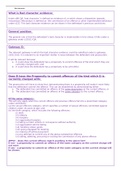
*share capital = the amount of money a company raises from issuing shares
Transferring shares:
1. Check the articles to see if there are any procedures (s544 CA) – does it need to be amended in any way? Pre-emption –
unlikely as there is no statutory pre-emption rights?
2. Transferor completes stock transfer form – s1 Stock Transfer Act and MA 26(1) - and gives this to the transferee with
their share certificate
3. The transferee sends the completed Stock Transfer Form to the stamp office along with a cheque within 30 days. The
stamp duty which the transferee pays is: 0.5% of the value of the shares to the nearest £5. However, if the shares were
gifted or are worth less than 1,000 there is no stamp duty to pay but the transferee must sign an exempt certificate.
4. The transferee must also send the completed stock transfer form, with the old share certificate and the stamp duty
certificate to the company, and make sure the form is duly stamped.
5. Directors can then decide whether to enter the new shareholder onto the register – directors have complete discretion
on this – MA 26. Directors must either register the new shareholder or give reasons for the refusal and notice of the
refusal as soon as possible but no longer than 2 months after the transferee lodged the transfer – s771.
6. If they do not refuse the company will update the register of members – s113.
7. The company will issue a new share certificate – s776.
8. The company must alert the Registrar to the changes on the confirmation statement and give details of the
shareholder such as name and address.
If directors refuse to register the transfer:
A transferee will only become a member once the directors have registered the individual on the register of members – s112(2)
Directors have the power to refuse to register the share transfer under MA 26. So, check for amendments etc…if the
article is removed then the directors have no right to refuse.
Directors could refuse if it is in the best interests of the company, having regard to their duty under s172. The decision
must be a reasonable one.
The directors must give notice of the refusal and reasons for it – s771 – and provide further information if the
transferee requests it – s771(2) – but will not show BM mins.
The company will have to return the stock transfer form and the share certificate of the current shareholder.
The legal ownership of the shares will not transfer to the transferee and the current shareholders name will remain on
the register of members who will hold the shares on a bare trust for the transferee.
The original shareholder will retain the right to vote and have dividends – but will vote according to the transferee’s
wishes and account to them for dividends they receive.
What remedies does the transferee have?
Can ask company for more information as to why they were refused / apply to court to rectify the director’s decisions – unlikely
court will. No entitlement to damages…
*share capital = the amount of money a company raises from issuing shares
Transferring shares:
1. Check the articles to see if there are any procedures (s544 CA) – does it need to be amended in any way? Pre-emption –
unlikely as there is no statutory pre-emption rights?
2. Transferor completes stock transfer form – s1 Stock Transfer Act and MA 26(1) - and gives this to the transferee with
their share certificate
3. The transferee sends the completed Stock Transfer Form to the stamp office along with a cheque within 30 days. The
stamp duty which the transferee pays is: 0.5% of the value of the shares to the nearest £5. However, if the shares were
gifted or are worth less than 1,000 there is no stamp duty to pay but the transferee must sign an exempt certificate.
4. The transferee must also send the completed stock transfer form, with the old share certificate and the stamp duty
certificate to the company, and make sure the form is duly stamped.
5. Directors can then decide whether to enter the new shareholder onto the register – directors have complete discretion
on this – MA 26. Directors must either register the new shareholder or give reasons for the refusal and notice of the
refusal as soon as possible but no longer than 2 months after the transferee lodged the transfer – s771.
6. If they do not refuse the company will update the register of members – s113.
7. The company will issue a new share certificate – s776.
8. The company must alert the Registrar to the changes on the confirmation statement and give details of the
shareholder such as name and address.
If directors refuse to register the transfer:
A transferee will only become a member once the directors have registered the individual on the register of members – s112(2)
Directors have the power to refuse to register the share transfer under MA 26. So, check for amendments etc…if the
article is removed then the directors have no right to refuse.
Directors could refuse if it is in the best interests of the company, having regard to their duty under s172. The decision
must be a reasonable one.
The directors must give notice of the refusal and reasons for it – s771 – and provide further information if the
transferee requests it – s771(2) – but will not show BM mins.
The company will have to return the stock transfer form and the share certificate of the current shareholder.
The legal ownership of the shares will not transfer to the transferee and the current shareholders name will remain on
the register of members who will hold the shares on a bare trust for the transferee.
The original shareholder will retain the right to vote and have dividends – but will vote according to the transferee’s
wishes and account to them for dividends they receive.
What remedies does the transferee have?
Can ask company for more information as to why they were refused / apply to court to rectify the director’s decisions – unlikely
court will. No entitlement to damages…