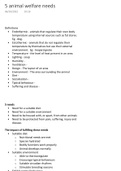
Sourcing animals
15/09/2022 10:17
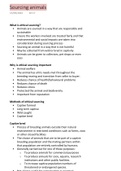
What is ethical sourcing?
• Animals are sourced in a way that are responsible and
sustainable
• Ensure the workers involved are treated fairly and that
environmental and social impacts are taken into
consideration during sourcing process
• Sourcing an animal in a way that is not harmful
• May be collected from wild or bred in captivity
• Animals can be given to collectors, pet shops or even
zoos
Why is ethical sourcing important
• Animal welfare
• The animal has all its needs met throughout the
breeding rearing and transition from seller to buyer.
• Reduces chance of health/behavioural problems
• Reduces chance of death
• Reduces stress
• Protected the animal and biodiversity
• Important from reputation
Methods of ethical sourcing
• Captive farmed
• Long term captive
• Wild caught
• Captive bred
Captive bred
• Process of breeding animals outside their natural
environment in restricted conditions such as farms, zoos
or other closed facilities
• The choice of animals that are to be part of a captive
breeding population and the mating partners within
that population are entirely controlled by humans.
• Generally carried out for one of these purposes:
○ To produce animals for commercial purposes
○ To produce annuals for zoos, aquaria, research
institutions and other public facilities.
○ To increase captive population numbers of
threatened or endangered species.
15/09/2022 10:17
What is ethical sourcing?
• Animals are sourced in a way that are responsible and
sustainable
• Ensure the workers involved are treated fairly and that
environmental and social impacts are taken into
consideration during sourcing process
• Sourcing an animal in a way that is not harmful
• May be collected from wild or bred in captivity
• Animals can be given to collectors, pet shops or even
zoos
Why is ethical sourcing important
• Animal welfare
• The animal has all its needs met throughout the
breeding rearing and transition from seller to buyer.
• Reduces chance of health/behavioural problems
• Reduces chance of death
• Reduces stress
• Protected the animal and biodiversity
• Important from reputation
Methods of ethical sourcing
• Captive farmed
• Long term captive
• Wild caught
• Captive bred
Captive bred
• Process of breeding animals outside their natural
environment in restricted conditions such as farms, zoos
or other closed facilities
• The choice of animals that are to be part of a captive
breeding population and the mating partners within
that population are entirely controlled by humans.
• Generally carried out for one of these purposes:
○ To produce animals for commercial purposes
○ To produce annuals for zoos, aquaria, research
institutions and other public facilities.
○ To increase captive population numbers of
threatened or endangered species.