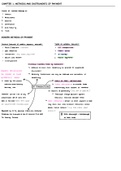
CHAPTER 1: METHODS AND INSTRUMENTS OF PAYMENT
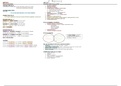
Choice of method depends on :
•
Amount
2 .
Relationship
3. Distance
4. convenience
5. RISK
security
6 .
Trust
MODERN METHODS OF PAYMENT
General features of modern
payment methods :
TYPES OF MODERN PAYMENT :
◦ QUICK } efficient ( instant) 1 .
EFT transactions
◦
cost effective 2 . Credit cards
time ) 3
convenient Larry place E- money
•
any
.
,
o secure and reliable 4 . Mobile payments
◦
Interoperable
Erroneous transfers made by customers :
> possible to claim from beneficiary on grounds Of unjustified
payment instructions for enrichment
>
the transfer of Funds
Generally transactions can
only be reserved with permission of
electronic
by means
beneficiary .
N ra
&
I made by : cell -
phone ,
CREDIT VS DEBIT INSTRUCTIONS :
internet , home banking > Credit instruction = to transfer funds
services , ATM EFT TRANSACTIONS from of mandatcr
.
electronically account
to account of beneficiary e- g- Pmt of salaries
^ '
customer carries risk of Take place through Bankserv system
any :
unauthorised use of card Until electronic facilities between banks .
notified ( bank
>
bank Is Isn't liable Debit instruction =
person to whom payment is made
for unauthorised transactions ) may claim amt from financial Institution where
debtor has an account e. g. stop orders ,
debit
the
Regulated by : ECTA ,
National credit Act , consumer orders
Protection Act
,
principles of law of contract & SA Code * same advantages 1- Disadvantages
for Banking Practice as credit cards
, of ADVANTAGES :
DISADVANTAGES :
Method payment t form
have
of credit
1 DO not to
carry 1 More easily spend money and
cash around
1 Issuer settles debt with incur large debts
> can be used Overseas
supplier card holder refunds
>
security risks can be stolen ,
&
•
> Used for Internet purposes lost cloned fraud ( internet
issuer ,
3
-
transactions )
TWO PARTY CARDS :
&
>
Issued by large chain THREE PARTY CARDS :
stores to an account
°
CREDIT CARDS ' Issued by bank Other financial
holder institution .
If
3
1 2 parties = issuer ( supplier ) } card * Not
negotiable
> 3 parties = Issuer ( bank / financial
holder ( customer ) instruments Institution ) , supplier } card holder
> '
To make purchases at the store 1
Regulated by To make purchases at
any place where
up to a certain credit limit National credit card is accepted up to a certain
credit Act & credit limit .
C- CTA .
Issued banks do a number of transactions
by
=
Electronic purse me until available balance is used
%
e. g. gift vouchers , loyalty cards
,
" "
su card =
money is loaded
onto the card
E-MONEY
A
payment intermediaries
> e.
g. PayPal ,
Apple Pay = consumer does not
divulge
M
virtual currencies e.
g. Bitcoin banking credit card details and
payment
( not yet considered legal payment is made through intermediary .
method in SA )
B.
Reserve Bank LSARB )
According to the SA ,
e-
money
E- function legal tender if issued
money monetary can only as it is by a bank
=
value that is stored on receipt of funds } can be redeemed for physical
electronically .
cash or a deposit into a bank account on demand
Choice of method depends on :
•
Amount
2 .
Relationship
3. Distance
4. convenience
5. RISK
security
6 .
Trust
MODERN METHODS OF PAYMENT
General features of modern
payment methods :
TYPES OF MODERN PAYMENT :
◦ QUICK } efficient ( instant) 1 .
EFT transactions
◦
cost effective 2 . Credit cards
time ) 3
convenient Larry place E- money
•
any
.
,
o secure and reliable 4 . Mobile payments
◦
Interoperable
Erroneous transfers made by customers :
> possible to claim from beneficiary on grounds Of unjustified
payment instructions for enrichment
>
the transfer of Funds
Generally transactions can
only be reserved with permission of
electronic
by means
beneficiary .
N ra
&
I made by : cell -
phone ,
CREDIT VS DEBIT INSTRUCTIONS :
internet , home banking > Credit instruction = to transfer funds
services , ATM EFT TRANSACTIONS from of mandatcr
.
electronically account
to account of beneficiary e- g- Pmt of salaries
^ '
customer carries risk of Take place through Bankserv system
any :
unauthorised use of card Until electronic facilities between banks .
notified ( bank
>
bank Is Isn't liable Debit instruction =
person to whom payment is made
for unauthorised transactions ) may claim amt from financial Institution where
debtor has an account e. g. stop orders ,
debit
the
Regulated by : ECTA ,
National credit Act , consumer orders
Protection Act
,
principles of law of contract & SA Code * same advantages 1- Disadvantages
for Banking Practice as credit cards
, of ADVANTAGES :
DISADVANTAGES :
Method payment t form
have
of credit
1 DO not to
carry 1 More easily spend money and
cash around
1 Issuer settles debt with incur large debts
> can be used Overseas
supplier card holder refunds
>
security risks can be stolen ,
&
•
> Used for Internet purposes lost cloned fraud ( internet
issuer ,
3
-
transactions )
TWO PARTY CARDS :
&
>
Issued by large chain THREE PARTY CARDS :
stores to an account
°
CREDIT CARDS ' Issued by bank Other financial
holder institution .
If
3
1 2 parties = issuer ( supplier ) } card * Not
negotiable
> 3 parties = Issuer ( bank / financial
holder ( customer ) instruments Institution ) , supplier } card holder
> '
To make purchases at the store 1
Regulated by To make purchases at
any place where
up to a certain credit limit National credit card is accepted up to a certain
credit Act & credit limit .
C- CTA .
Issued banks do a number of transactions
by
=
Electronic purse me until available balance is used
%
e. g. gift vouchers , loyalty cards
,
" "
su card =
money is loaded
onto the card
E-MONEY
A
payment intermediaries
> e.
g. PayPal ,
Apple Pay = consumer does not
divulge
M
virtual currencies e.
g. Bitcoin banking credit card details and
payment
( not yet considered legal payment is made through intermediary .
method in SA )
B.
Reserve Bank LSARB )
According to the SA ,
e-
money
E- function legal tender if issued
money monetary can only as it is by a bank
=
value that is stored on receipt of funds } can be redeemed for physical
electronically .
cash or a deposit into a bank account on demand