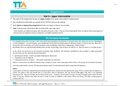
Unit 3
Regulation of
the internal
environment
(Circulatory, respiratory and
excretory systems)
Biology and Geology
3º ESO
,1 Blood and the circulatory system
The circulatory system carries substances (nutrients,
oxygen and waste products) via the blood. Which
circulates through the blood vessels and is pumped by
the heart.
The circulatory system connects the other
three systems involved in nutrition:
digestive, respiratory and excretory.
,1 Blood and the circulatory system
1.1. The composition of blood
Blood is a type of connective tissue made up of:
▪ Blood plasma: Intercellular liquid
substance made up of water with
minerals (90 %), nutrients (glucose,
amino acids, vitamins …), waste
products (urea, uric acid, CO2), etc.
▪ Blood cells: red blood cells, white blood
cells and platelets. They are formed in
the bone marrow.
, 1 Blood and the circulatory system
1.1. The composition of blood
Blood cells
• Red blood cells, haematites or erythrocytes
They are the most abundant blood
cells (4-5 million per mm3 of blood).
They are disk-shaped and don´t have
nucleus.
They contain haemoglobin, which is a
protein containing iron. This protein
helps to transport oxygen and carbon
dioxide around the body.
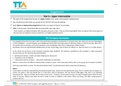
Regulation of
the internal
environment
(Circulatory, respiratory and
excretory systems)
Biology and Geology
3º ESO
,1 Blood and the circulatory system
The circulatory system carries substances (nutrients,
oxygen and waste products) via the blood. Which
circulates through the blood vessels and is pumped by
the heart.
The circulatory system connects the other
three systems involved in nutrition:
digestive, respiratory and excretory.
,1 Blood and the circulatory system
1.1. The composition of blood
Blood is a type of connective tissue made up of:
▪ Blood plasma: Intercellular liquid
substance made up of water with
minerals (90 %), nutrients (glucose,
amino acids, vitamins …), waste
products (urea, uric acid, CO2), etc.
▪ Blood cells: red blood cells, white blood
cells and platelets. They are formed in
the bone marrow.
, 1 Blood and the circulatory system
1.1. The composition of blood
Blood cells
• Red blood cells, haematites or erythrocytes
They are the most abundant blood
cells (4-5 million per mm3 of blood).
They are disk-shaped and don´t have
nucleus.
They contain haemoglobin, which is a
protein containing iron. This protein
helps to transport oxygen and carbon
dioxide around the body.