NR 565 Week 6 Assignment; Asthma Treatment Algorithm
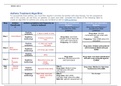
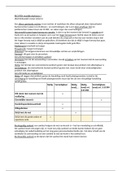
Asthma Treatment Algorithm: To successfully treat asthma, you must first classify it and then be familiar with step therapy. For this assignment and in this course, we will focus on patients 12 years and older. Complete the blanks in the following table to create an algorithm for asthma care using your textbook as well as GINA guidelines. Starting treatment: Complete this section using the GINA guidelines provided. First Assess: 1. Confirm a diagnosis 2. Symptom control and modifiable risk factors including lung function 3. comorbidities 4. Inhaler technique and adherence 5. Patient preferences and goals 6. Willingness and ability to self-administer medications Fill in the blank: 1. Using AS Needed low dose ICS -Formoterolas reliever reduces the risk of exaserbations compared with using a SABA only reliever. 2. Before considering a regimen with a SABA reliever, check if the patient is likely to be adherent with daily controller therapy. Dosing: Low, Medium, High Low dose ICS provides most of the clinical benefit for most patients. However, ICS responsiveness varies between patients, so some patients may need medium dose ICS if asthma is uncontrolled despite good adherence and correct inhaler technique with low dose ICS. High dose ICS is needed by very few patients, and its long-term use is associated with an increased risk of local and systemic side-effects. Treating Modifiable Risk Factors Exacerbation risk can be minimized by optimizing asthma medications and by identifying and treating modifiable risk factors. List the six modifiable risk factors identified in the GINA guidelines that show consistent high-quality evidence. 1. Guided Self-management 2. Use of regimen that minimizes exacerbations 3. Avoidance of exposure to tobacco smoke 4. Confirmed food allergy 5. School-based programs 6. Referral to a specialist center Non-Pharmacological Strategies and Interventions In addition to medications, other therapies and strategies may be considered when relevant, to assist in symptom control and risk reduction. List the examples the GINA guidelines provide. 1. Smoking cessation 2. Physical activity 3. Investigation for occupational asthma 4. Identify aspirin-exacerbated respiratory disease Continue to the next page to apply this information to a case study. Case Study History of Present Illness: Haley, a 14-year-old girl with asthma, presents to the clinic with complaints of a persistent cough. She reports getting up 3-4 nights a week to use her albuterol inhaler, including the morning of the visit. She also reports coughing and experiencing shortness of breath daily when she runs in gym class or pet’s the neighbor’s cat. Haley is currently taking a SABA (short-acting beta-agonist) for relief of her asthma symptoms. Except for a cough, Haley has no other complaints. She is accompanied by her parents. 1. Based on the table you created from your book above, how would you classify Haley’s asthma? 2. Based on the table you created using the GINA guidelines provided, what is the controller and preferred reliever Haley should be prescribed at today’s visit? (Provide general statement and not specific drug- the same as you listed in the table for this severity of asthma) 3. Now, looking in your textbook, what are some examples of inhaled corticosteroids or inhaled glucocorticoids? Your book lists six for you to provide here: 4. What is the drug classification of formoterol? 5. What is a specific drug you could prescribe today that would meet the drug classification from question 2? Your book provides two options in table 62.1. 6. Go to Prescriber’s Digital Reference and identify the dose you would prescribe of the two drugs from Question 5 to fall into the “low dose” range as indicated by the low, medium, high dose table you completed above from the GINA guidelines. 7. Why is it important for Haley to have a LABA in addition to her SABA? 8. What education does Haley, and her parents need regarding when to take the medicine you will prescribe today versus the SABA she is already taking? 9. What are two environmental factors may be contributing to Haley’s asthma symptoms that were noted in the case study information? 10. What do the GINA guidelines say about “action plans”? 11. Do a web search for “asthma action plan”. Provide a link to an example of an asthma action plan you could either use or adapt in your own clinical practice.
Written for
- Institution
-
Chamberlain College Nursing
- Course
-
NR 565
Document information
- Uploaded on
- February 21, 2023
- Number of pages
- 9
- Written in
- 2022/2023
- Type
- Other
- Person
- Unknown
Subjects
-
nr 565 week 6 assignment asthma treatment algorithm

Also available in package deal