1] A 1.62 g sample of impure sodium carbonate was dissolved in distilled water and then made up to 250 cm3.
25.0 cm3 of this solution was put into a conical flask and three drops of methyl orange indicator added. This
was titrated against a 0.105 mol dm–3 solution of hydrochloric acid until the end point was reached. The
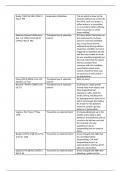
titration was repeated three more times. The results are shown below.
The equation for the reaction is:
Na2CO3 + 2HCl →2NaCl + H2O + CO2
(a) (i) The student was supplied with a burette that may not have been clean. What precautions should be taken
before filling it with the standard hydrochloric acidsolution?
....................................................................................................................................................................................
.............................................................................................................................................................................. (2)
(ii) Describe the colour change that tells when the end point has been reached.
....................................................................................................................................................................................
.............................................................................................................................................................................. (2)
(b) (i) Select the appropriate titres and calculate their mean.
....................................................................................................................................................................................
.............................................................................................................................................................................. (2)
(ii) Calculate the amount (in moles) of hydrochloric acid solution in the mean titre.
(1)
3
(iii) Calculate the amount (in moles) of pure sodium carbonate in 25.0 cm of solution.
(iv) Calculate the amount (in moles) of pure sodium carbonate in 250 cm3 of solution.
(v) Calculate the mass of pure sodium carbonate, Na2CO3, taken.
(2)
, (vi) Calculate the percentage purity of the sample of sodium carbonate.
(1)
(Total 12 marks)
2]A student carried out an experiment to determine the concentration of ethanoic acid in a solution of vinegar.
• The student used a measuring cylinder to measure out 25.0 cm3 of the vinegar solution.
• This solution was then transferred to a 250 cm3 volumetric flask and the liquid level
was carefully made up to the mark with distilled water.
• A pipette was used to transfer 25.0 cm3 portions of the acidic solution to conical
flasks.
• The solution was then titrated with sodium hydroxide solution, concentration 0.100 mol dm–3, using
phenolphthalein as the indicator.
CH3COOH(aq) + NaOH(aq) → CH3COONa(aq) + H2O(l)
(a) In this titration, what is the colour change of the phenolphthalein indicator?
From .................................................................................................................................... to ...................................................................................................................................
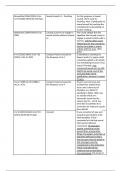
(b) Explain why the mean titre should be based only on titrations 2, 3 and 4.
....................................................................................................................................................................................
.............................................................................................................................................................................. (1)
(c) Calculate the mean titre in cm3.
(1)
(d) (i) Using your answer to (c), calculate the number of moles of sodium hydroxide in the mean titre.
(1)
(ii) Hence state the number of moles of ethanoic acid, CH3COOH, in 25.0 cm3 of the diluted solution used in
the titration.
25.0 cm3 of this solution was put into a conical flask and three drops of methyl orange indicator added. This
was titrated against a 0.105 mol dm–3 solution of hydrochloric acid until the end point was reached. The
titration was repeated three more times. The results are shown below.
The equation for the reaction is:
Na2CO3 + 2HCl →2NaCl + H2O + CO2
(a) (i) The student was supplied with a burette that may not have been clean. What precautions should be taken
before filling it with the standard hydrochloric acidsolution?
....................................................................................................................................................................................
.............................................................................................................................................................................. (2)
(ii) Describe the colour change that tells when the end point has been reached.
....................................................................................................................................................................................
.............................................................................................................................................................................. (2)
(b) (i) Select the appropriate titres and calculate their mean.
....................................................................................................................................................................................
.............................................................................................................................................................................. (2)
(ii) Calculate the amount (in moles) of hydrochloric acid solution in the mean titre.
(1)
3
(iii) Calculate the amount (in moles) of pure sodium carbonate in 25.0 cm of solution.
(iv) Calculate the amount (in moles) of pure sodium carbonate in 250 cm3 of solution.
(v) Calculate the mass of pure sodium carbonate, Na2CO3, taken.
(2)
, (vi) Calculate the percentage purity of the sample of sodium carbonate.
(1)
(Total 12 marks)
2]A student carried out an experiment to determine the concentration of ethanoic acid in a solution of vinegar.
• The student used a measuring cylinder to measure out 25.0 cm3 of the vinegar solution.
• This solution was then transferred to a 250 cm3 volumetric flask and the liquid level
was carefully made up to the mark with distilled water.
• A pipette was used to transfer 25.0 cm3 portions of the acidic solution to conical
flasks.
• The solution was then titrated with sodium hydroxide solution, concentration 0.100 mol dm–3, using
phenolphthalein as the indicator.
CH3COOH(aq) + NaOH(aq) → CH3COONa(aq) + H2O(l)
(a) In this titration, what is the colour change of the phenolphthalein indicator?
From .................................................................................................................................... to ...................................................................................................................................
(b) Explain why the mean titre should be based only on titrations 2, 3 and 4.
....................................................................................................................................................................................
.............................................................................................................................................................................. (1)
(c) Calculate the mean titre in cm3.
(1)
(d) (i) Using your answer to (c), calculate the number of moles of sodium hydroxide in the mean titre.
(1)
(ii) Hence state the number of moles of ethanoic acid, CH3COOH, in 25.0 cm3 of the diluted solution used in
the titration.