

Learning Goals
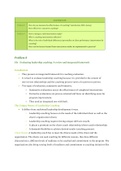
Problem 8 How do you measure the effectiveness of coaching? (satisfaction, ROI, money)
How effective is executive coaching?
Problem 9 How to design a valid intervention study?
Why is coaching interventions effective?
What is the role of individual differences/ personality on client performance improvement by
coaching?
How can the lessons learned from intervention studies be implemented in practice?
Problem 8
Ely - Evaluating leadership coaching: A review and integrated framework
Introduction
● They present an integrated framework for coaching evaluation.
● It is hard to evaluate leadership coaching because it is provided in the context of
one-on-one relationships and the coaching process varies a lot person to person.
● Two types of evaluation; summative and formative.
○ Summative evaluations assess the effectiveness of completed interventions.
○ Formative evaluations are process oriented and focus on identifying areas for
program improvement.
○ They used an integrated one with both.
The Unique Nature of Leadership Coaching
● It differs from traditional leadership development 4 ways.
○ Leadership coaching focuses on the needs of the individual client as well as the
client’s organization (client).
○ Leadership coaching requires having unique skill sets (coach).
○ It places a premium on the client-coach relationship (client-coach relationship).
○ It demands flexibility to achieve desired results (coaching process).
Client Needs: A leadership coach has to meet the diverse needs of the client and the
organization. The clients can seek coaching for different reasons, they have different
characteristics, different levels of readiness to be coached and commitment to the program. The
organizations also bring varying levels of readiness and commitment to coaching initiatives like
,support and resources. The range of attitudes and motivation levels varies between and within
clients and their organizations during the developmental experience.
Coaching Characteristics: They require a vast and adaptive set of skills to effectively meet the
diverse and dynamic needs of the clients and their organization. There is no formal definition of
but it consists of several core qualifications.
● Requisite coaching competencies include communication skills, analytical skills,
assessment and feedback skills, planning skills, goal setting skills, organization skills,
creativity and resourcefulness, ability to motivate and encourage, ability to challenge and
confront others, results-orientation and accountability, integrity, empathy, caring,
personable, approachable, flexible, empowering, and trustworthy. In addition, coach
qualifications include graduate behavioral science training, business awareness, and
knowledge of or experience in the client's industry in order to have credibility and
expertise.
● Internal coaches can be cheaper and more responsive to the organization’s needs.
● No formal training or education required.
Client-Coach Relationship: Rapport, collaboration and commitment is very important to the
relationship.
● Rapport is mutual understanding, agreement and liking → leads to appreciating,
recognizing, respecting each other as individuals.
● Collaboration reflects dedication on both sides to perform the work associated with
developmental experience.
● Trust and confidentiality provides mutual security needed to manage expectations,
establish boundaries, develop open and honest dialogue.
Coaching Process: Consists of 3 to 7 phases depending on the framework used.
● CCL’S framework is assessment, challenge and support.
● ACS model can be more interactive and dynamic.
Evaluating Leadership Coaching
Evaluation Stakeholders: It includes coaches, clients, client organizations, coaching
organizations. Each stakeholder is interested in different evaluation outcomes for different
reasons.
● For coaches it provides feedback on points of improvement. For clients evaluation
provides support and evidence of their developmental efforts. For client organizations, it
, provides evidence of the ROI which helps them fund future investments. For coaching
organizations it can be used as a part of marketing and decisions on coaching.
Summative Evaluation Framework
● Focuses on the outcomes of coaching.
● Learning: Captures what the client has learned from coaching.
● Limitations: It provides little prescriptive information for how to improve coaching. It
suggests that there is a problem but doesn’t reveal the nature of the problem.
Formative Evaluation Framework: Primary goal is to improve the quality of the training
intervention to increase the likelihood that it will achieve the intended objectives. Focuses on
dynamic aspects. Assessed afterwards. Every stakeholder has an evaluation. Look at summary.
Discussion
● A summative component is needed to document the effectiveness of coaching
engagements.
Problem 8 How do you measure the effectiveness of coaching? (satisfaction, ROI, money)
How effective is executive coaching?
Problem 9 How to design a valid intervention study?
Why is coaching interventions effective?
What is the role of individual differences/ personality on client performance improvement by
coaching?
How can the lessons learned from intervention studies be implemented in practice?
Problem 8
Ely - Evaluating leadership coaching: A review and integrated framework
Introduction
● They present an integrated framework for coaching evaluation.
● It is hard to evaluate leadership coaching because it is provided in the context of
one-on-one relationships and the coaching process varies a lot person to person.
● Two types of evaluation; summative and formative.
○ Summative evaluations assess the effectiveness of completed interventions.
○ Formative evaluations are process oriented and focus on identifying areas for
program improvement.
○ They used an integrated one with both.
The Unique Nature of Leadership Coaching
● It differs from traditional leadership development 4 ways.
○ Leadership coaching focuses on the needs of the individual client as well as the
client’s organization (client).
○ Leadership coaching requires having unique skill sets (coach).
○ It places a premium on the client-coach relationship (client-coach relationship).
○ It demands flexibility to achieve desired results (coaching process).
Client Needs: A leadership coach has to meet the diverse needs of the client and the
organization. The clients can seek coaching for different reasons, they have different
characteristics, different levels of readiness to be coached and commitment to the program. The
organizations also bring varying levels of readiness and commitment to coaching initiatives like
,support and resources. The range of attitudes and motivation levels varies between and within
clients and their organizations during the developmental experience.
Coaching Characteristics: They require a vast and adaptive set of skills to effectively meet the
diverse and dynamic needs of the clients and their organization. There is no formal definition of
but it consists of several core qualifications.
● Requisite coaching competencies include communication skills, analytical skills,
assessment and feedback skills, planning skills, goal setting skills, organization skills,
creativity and resourcefulness, ability to motivate and encourage, ability to challenge and
confront others, results-orientation and accountability, integrity, empathy, caring,
personable, approachable, flexible, empowering, and trustworthy. In addition, coach
qualifications include graduate behavioral science training, business awareness, and
knowledge of or experience in the client's industry in order to have credibility and
expertise.
● Internal coaches can be cheaper and more responsive to the organization’s needs.
● No formal training or education required.
Client-Coach Relationship: Rapport, collaboration and commitment is very important to the
relationship.
● Rapport is mutual understanding, agreement and liking → leads to appreciating,
recognizing, respecting each other as individuals.
● Collaboration reflects dedication on both sides to perform the work associated with
developmental experience.
● Trust and confidentiality provides mutual security needed to manage expectations,
establish boundaries, develop open and honest dialogue.
Coaching Process: Consists of 3 to 7 phases depending on the framework used.
● CCL’S framework is assessment, challenge and support.
● ACS model can be more interactive and dynamic.
Evaluating Leadership Coaching
Evaluation Stakeholders: It includes coaches, clients, client organizations, coaching
organizations. Each stakeholder is interested in different evaluation outcomes for different
reasons.
● For coaches it provides feedback on points of improvement. For clients evaluation
provides support and evidence of their developmental efforts. For client organizations, it
, provides evidence of the ROI which helps them fund future investments. For coaching
organizations it can be used as a part of marketing and decisions on coaching.
Summative Evaluation Framework
● Focuses on the outcomes of coaching.
● Learning: Captures what the client has learned from coaching.
● Limitations: It provides little prescriptive information for how to improve coaching. It
suggests that there is a problem but doesn’t reveal the nature of the problem.
Formative Evaluation Framework: Primary goal is to improve the quality of the training
intervention to increase the likelihood that it will achieve the intended objectives. Focuses on
dynamic aspects. Assessed afterwards. Every stakeholder has an evaluation. Look at summary.
Discussion
● A summative component is needed to document the effectiveness of coaching
engagements.



