Chapter 2: Phonetics
2.1 Phonetic transcription
2.2 The sound-producing system
2.3 Sound classes
2.4 Consonant articulation
2.5 Manners of articulation
2.6 Vowels
2.7 Phonetic transcription of Canadian English consonants and vowels
2.8 Suprasegmentals
Chapter 3: Phonology
3.1 Segments
3.2 Syllables
Chapter 2: Morphology
2.2 Word and morpheme classes
2.4 Variation in morphology
Lecture 1: Speech Sounds
Lecture 2: Consonants
Lecture 3: Vowels
Lecture 4: Coarticulation, Reduction and Suprasegmentals
Lecture 5: Phonology Intro
Lecture 6: Phonology 2
Lecture 7: Phonology 3- The Syllable
Lecture 9: Phonology 4
Lecture 10: Phonology ending/Morphology intro
Lecture 11: Morphology
Lecture 11: Morphology 2
Lecture 12: Morphology
Lecture 13: Morphology 4
Lecture 14: Midterm Review
Lecture 15: Syntax 1
, Lecture 16: Syntax 2
Lecture 17: Syntax 3
Lecture 18: Syntax 4
Lecture 19: Syntax Review
Lecture 20: Syntax 5- Variation Across Languages
Lecture 21: Sociolinguistics
Lecture 22: Final Review
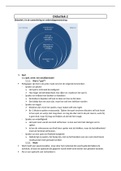
Grammar = system of linguistic rules that allows us to form and interpret both familiar and novel
utterances
- Prescriptive grammar = rules against certain usages, no rules for what is allowed →
condemns forms used by certain groups of people
- Descriptive grammar = rules describing what people say, aims to reflect the internal rules
that speakers follow when they talk but aren’t aware of → linguistic
knowledge/competence
- Phonetics = study of speech sounds
- Phonology = study of sound systems
- Morphology = study of word structure
- Syntax = study of sentence structure
- Semantics = study of linguistic meaning
- Pragmatics = study of language use
2.1 Phonetic transcription
2.2 The sound-producing system
2.3 Sound classes
2.4 Consonant articulation
2.5 Manners of articulation
2.6 Vowels
2.7 Phonetic transcription of Canadian English consonants and vowels
2.8 Suprasegmentals
Chapter 3: Phonology
3.1 Segments
3.2 Syllables
Chapter 2: Morphology
2.2 Word and morpheme classes
2.4 Variation in morphology
Lecture 1: Speech Sounds
Lecture 2: Consonants
Lecture 3: Vowels
Lecture 4: Coarticulation, Reduction and Suprasegmentals
Lecture 5: Phonology Intro
Lecture 6: Phonology 2
Lecture 7: Phonology 3- The Syllable
Lecture 9: Phonology 4
Lecture 10: Phonology ending/Morphology intro
Lecture 11: Morphology
Lecture 11: Morphology 2
Lecture 12: Morphology
Lecture 13: Morphology 4
Lecture 14: Midterm Review
Lecture 15: Syntax 1
, Lecture 16: Syntax 2
Lecture 17: Syntax 3
Lecture 18: Syntax 4
Lecture 19: Syntax Review
Lecture 20: Syntax 5- Variation Across Languages
Lecture 21: Sociolinguistics
Lecture 22: Final Review
Grammar = system of linguistic rules that allows us to form and interpret both familiar and novel
utterances
- Prescriptive grammar = rules against certain usages, no rules for what is allowed →
condemns forms used by certain groups of people
- Descriptive grammar = rules describing what people say, aims to reflect the internal rules
that speakers follow when they talk but aren’t aware of → linguistic
knowledge/competence
- Phonetics = study of speech sounds
- Phonology = study of sound systems
- Morphology = study of word structure
- Syntax = study of sentence structure
- Semantics = study of linguistic meaning
- Pragmatics = study of language use