Operationeel beheer en logistiek
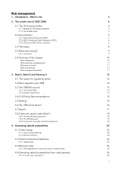
1. Inleiding tot operationeel beheer 5
1.1. Wat is operationeel beheer ? 5
1.1.1.Operationeel beheer binnen de organisatie 5
1.1.2.De rol van operationeel beheer binnen een organisatie 6
1.2.Verschillen tussen manufacturing en service organisaties 6
1.3.Operationeel beheer - beslissingen 7
1.4.Historische ontwikkeling 7
2. Strategie en competitiviteit 10
2.1.Developing a business strategy 10
2.1.1.Mission 10
2.1.2.Environmental scanning 10
2.1.3.Core competencies 10
2.2.Developing an operations strategy 10
2.2.1.Competitive priorities 11
2.2.2.Order winners and order quali ers 12
2.2.3.Translating competitive priorities into production requirements 12
2.3.Strategische rol van technologie 12
2.4.Productiviteit 12
2.4.1.Measuring productivity 12
2.4.2.Productivity growth rate 13
3. Product en process design 14
3.1.Product design 14
3.1.1.Design of services versus goods 14
3.2.The product design process 14
3.2.1.Idea development 14
3.2.2.Product screening 14
3.2.3.Preliminary design and testing 15
3.2.4.Final design 15
3.3.Factors impacting product design 16
3.3.1.Design for manufacture 16
3.3.2.Product life cycle 16
3.3.3.Concurrent engineering 16
3.3.4.Remanufacturing 17
3.4.Process selection 17
3.4.1.Types of processes 17
Onderbroken operations 17
Continue operations 17
3.5.Designing processes 18
1
fi
, 3.6.Process performance metrics 19
3.7.Linking product design and process selection 19
3.8.Technology decisions 19
4. Supply chain management 20
4.1.What is a supply chain? 20
4.2.Components of a supply chain for a manufacturer 20
4.2.1.External suppliers 20
4.2.2.Internal functions 20
4.2.3.External distributors 21
4.3.The bullwhip e ect 21
4.3.1.Causes of the bullwhip e ect 21
4.3.2.Counteracting the bullwhip e ect 21
4.4.Major issues a ecting supply chain management 21
4.4.1.Information technology 21
4.4.2.E-Commerce 21
4.4.3.B2B E-Commerce 21
4.4.4.The evolution of B2B Commerce 21
4.4.5.The bene ts of B2B Commerce 21
4.4.6.B2C E-commerce 21
4.5.Sourcing issues 21
4.5.1.Insourcing versus outsourcing decisions 21
4.5.2.Developing supplier relationships 21
4.5.3.How many suppliers 21
4.5.4.Developing partnerships 21
4.5.5.Critical factors in succesful partnering 21
4.6.Supply chain distribution 21
4.6.1.The role of warehouses 21
4.6.2.Crossdocking 22
4.7.Implementing supply chain management 22
4.7.1.Strategies for leveraging supply chain management 22
5. Total Quality Management 23
5.1.De ning quality 23
5.1.1.Di erences between manufacturing and service organisations 24
5.2.Cost of quality 24
5.3.The evolution of Total Quality Management (TQM) 25
5.3.1.Quality gurus 25
5.4.The philosophy of TQM 26
5.4.1.Customer focus 26
2
fffi
fi ff ff ff
1. Inleiding tot operationeel beheer 5
1.1. Wat is operationeel beheer ? 5
1.1.1.Operationeel beheer binnen de organisatie 5
1.1.2.De rol van operationeel beheer binnen een organisatie 6
1.2.Verschillen tussen manufacturing en service organisaties 6
1.3.Operationeel beheer - beslissingen 7
1.4.Historische ontwikkeling 7
2. Strategie en competitiviteit 10
2.1.Developing a business strategy 10
2.1.1.Mission 10
2.1.2.Environmental scanning 10
2.1.3.Core competencies 10
2.2.Developing an operations strategy 10
2.2.1.Competitive priorities 11
2.2.2.Order winners and order quali ers 12
2.2.3.Translating competitive priorities into production requirements 12
2.3.Strategische rol van technologie 12
2.4.Productiviteit 12
2.4.1.Measuring productivity 12
2.4.2.Productivity growth rate 13
3. Product en process design 14
3.1.Product design 14
3.1.1.Design of services versus goods 14
3.2.The product design process 14
3.2.1.Idea development 14
3.2.2.Product screening 14
3.2.3.Preliminary design and testing 15
3.2.4.Final design 15
3.3.Factors impacting product design 16
3.3.1.Design for manufacture 16
3.3.2.Product life cycle 16
3.3.3.Concurrent engineering 16
3.3.4.Remanufacturing 17
3.4.Process selection 17
3.4.1.Types of processes 17
Onderbroken operations 17
Continue operations 17
3.5.Designing processes 18
1
fi
, 3.6.Process performance metrics 19
3.7.Linking product design and process selection 19
3.8.Technology decisions 19
4. Supply chain management 20
4.1.What is a supply chain? 20
4.2.Components of a supply chain for a manufacturer 20
4.2.1.External suppliers 20
4.2.2.Internal functions 20
4.2.3.External distributors 21
4.3.The bullwhip e ect 21
4.3.1.Causes of the bullwhip e ect 21
4.3.2.Counteracting the bullwhip e ect 21
4.4.Major issues a ecting supply chain management 21
4.4.1.Information technology 21
4.4.2.E-Commerce 21
4.4.3.B2B E-Commerce 21
4.4.4.The evolution of B2B Commerce 21
4.4.5.The bene ts of B2B Commerce 21
4.4.6.B2C E-commerce 21
4.5.Sourcing issues 21
4.5.1.Insourcing versus outsourcing decisions 21
4.5.2.Developing supplier relationships 21
4.5.3.How many suppliers 21
4.5.4.Developing partnerships 21
4.5.5.Critical factors in succesful partnering 21
4.6.Supply chain distribution 21
4.6.1.The role of warehouses 21
4.6.2.Crossdocking 22
4.7.Implementing supply chain management 22
4.7.1.Strategies for leveraging supply chain management 22
5. Total Quality Management 23
5.1.De ning quality 23
5.1.1.Di erences between manufacturing and service organisations 24
5.2.Cost of quality 24
5.3.The evolution of Total Quality Management (TQM) 25
5.3.1.Quality gurus 25
5.4.The philosophy of TQM 26
5.4.1.Customer focus 26
2
fffi
fi ff ff ff