
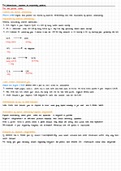
The behavioural approach to
explaining phobias
The two model
process
classical and operant conditioning
Mowrer Cia 607
argued that
phobias are learned
by classical conditioning and then maintained by operant conditioning
Acquisition by classical
conditioning
classical association :
conditioning involves
1. UCS
triggers a
g- ear response C fear is a Ucr)
eg : being bitten creates anxiety
2- NS is associated with the
vcseg : being bitten
by
a
dog C the
dog previously didn't create anxiety)
3. NS becomes CS eiunicn is CRI the causing CR anxiety / fear the bite
producing gear now the
dog becomes a CS a
of following .
UCS •
UCR
being bitten anxiety
NS B
no
response
Dog
Mk UCR
UCS 1- Ns
being bitten anxiety
+
dog
Cs • CR
anxiety
dog
Little Albert :
conditioned
gear
Watson C 1920) showed now conditioned
and
Rayner a
fear of rats could be
2 Whenever Albert
played with a white rat , a loud noise was made close to his ear The noise CUCS) caused a
gear response CUCR)
.
.
2 Rat CNS) did not create
fear until the
bang and the rat had been paired together several times
.
3 CCR) into rat Ccs)
Albert showed a
gear response everytime he came contact with the
.
Generalisation of fear to other stimulus
Little Albert also showed in to white objects including coat and Astarita beard
gear response other
furry a
fur
.
Maintenance
by operant conditioning
C
negative reinforcement
Operant conditioning behaviour
takes
place when our is
reinforced or
punished
Negative reinforcement = an individual
produces behaviour that avoids
something unpleasant
.
with
When a
person a
phobia avoids a
phobic stimulus they escape the
anxiety that would have been experienced
.
This reduction behaviour maintained
in
gear negatively reinforces the avoidance and the
phobia is .
Examples of negative reinforcement
Ccovlro phobia
If someone has a morbid
fear of clowns they will avoid circuses and other situations where they
encounter
may
clowns
the
relief feet from avoiding clowns
negatively reinforces the
phobia and ensures its maintained rather than
confronted
.
explaining phobias
The two model
process
classical and operant conditioning
Mowrer Cia 607
argued that
phobias are learned
by classical conditioning and then maintained by operant conditioning
Acquisition by classical
conditioning
classical association :
conditioning involves
1. UCS
triggers a
g- ear response C fear is a Ucr)
eg : being bitten creates anxiety
2- NS is associated with the
vcseg : being bitten
by
a
dog C the
dog previously didn't create anxiety)
3. NS becomes CS eiunicn is CRI the causing CR anxiety / fear the bite
producing gear now the
dog becomes a CS a
of following .
UCS •
UCR
being bitten anxiety
NS B
no
response
Dog
Mk UCR
UCS 1- Ns
being bitten anxiety
+
dog
Cs • CR
anxiety
dog
Little Albert :
conditioned
gear
Watson C 1920) showed now conditioned
and
Rayner a
fear of rats could be
2 Whenever Albert
played with a white rat , a loud noise was made close to his ear The noise CUCS) caused a
gear response CUCR)
.
.
2 Rat CNS) did not create
fear until the
bang and the rat had been paired together several times
.
3 CCR) into rat Ccs)
Albert showed a
gear response everytime he came contact with the
.
Generalisation of fear to other stimulus
Little Albert also showed in to white objects including coat and Astarita beard
gear response other
furry a
fur
.
Maintenance
by operant conditioning
C
negative reinforcement
Operant conditioning behaviour
takes
place when our is
reinforced or
punished
Negative reinforcement = an individual
produces behaviour that avoids
something unpleasant
.
with
When a
person a
phobia avoids a
phobic stimulus they escape the
anxiety that would have been experienced
.
This reduction behaviour maintained
in
gear negatively reinforces the avoidance and the
phobia is .
Examples of negative reinforcement
Ccovlro phobia
If someone has a morbid
fear of clowns they will avoid circuses and other situations where they
encounter
may
clowns
the
relief feet from avoiding clowns
negatively reinforces the
phobia and ensures its maintained rather than
confronted
.


