History of International Relations 2022-2023
Prof. Jorg Kustermans
Cursusboek →
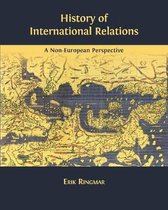
- https://www.openbookpublishers.com/product/228
http://ringmar.net/irhistorynew/
Slides →
- Komen online op ‘blackboard’
Les →
- “Mensen uit een schakelprogramma gaan dit vak ervaren als moeilijk, veel werk”
- Niet enkel leren van de slides… dat is geen goed idee
- When you have questions, he prefers to be spoken to, not an e-mail
→ De extra teksten moet je niet tot in detail gaan studeren, maar meer de argumenten
hoe het overeenkomt met de tekst in HB en algemene consensus
1
,LES 1: 04.10.2022
INTRODUCTION
History of International Relations: WHY?
Why is it useful for social scientists to study history?
Answers discussed orally in class
- There is a causal connection between past and present
- To learn from the mistakes made in history, not to repeat them in the future
- In order to cultivate more wisdom and prudence
- Don’t forget the context when you talk about historical lessons
- For example ‘Strategy of appeasement‘
= “Instituted in the hope of avoiding war, appeasement was the
name given to Britain's policy in the 1930s of allowing Hitler to
expand German territory unchecked. Most closely associated
with British Prime Minister Neville Chamberlain, it is now widely
discredited as a policy of weakness.”
Answers written afterwards
1. Historical Legacies
E.g., ‘post-communist societies’
→ Eastern Germany, Russia, China (still present), Georgia,
Vietnam (still present?), Poland, Bulgaria, etc.
It does not mean that they just were communist countries
once, it also means that they once were, which means that it
will still be in their DNA. For example, they often still don’t have
a lot of trust. That is a legacy of that communist past.
“You can take a boy out of the ghetto, but you can not get the
ghetto out of the boy”
2. The politics of historical memories
E.g., Kyiv and Russian foreign policy claim
→ Kyiv used to be a part of Russia, in Russia their eyes and
hearts, it was once a part so it should be a part again
Think about trauma, something awful happened in the past. It
influences, the person even after the awful thing happened. It
will motivate their current behaviour.
2
, - Political memories
→ These are not ‘natural’ or spontaneous, not like
personal memories that you just think about again.
- Propagated by ‘memory activist’
- E.g., A history professor that teaches, or a
feminist that tells you about all the strong and
influential women we had in the past.
- Based on ‘selection and exclusion’
- = dangerous
- Think about how a history textbook in school
was only focussed on the EU and not the other
parts of the world
- The present can ‘mould’ the past
- Depends on the ‘efficiency of political pedagogy’
- Show a high degree of ‘homogeneity’
- Relies on symbols and rites that ‘enhance emotions of
empathy and identification
3. The Contingency of moral ideas and social arrangements
E.g., ‘gender equality or ‘natural slavery’ or ‘sovereignty’
→ You accept that things will keep on evolving and this in a
way that you can never predict it a 100%
To realise that it is not ‘normal’ that we live in a state of
sovereignty, that once people did not live in this way
4. (Lessons from history)
→ Not true lessons, but vague
More like ‘be careful, ‘be prudent’
3
, History of International Relations: WHAT?
What do you expect to learn in this class? What people, events, concepts or
processes do you expect to learn (more) about?
Answers discussed orally in class (5min)
- Concept/Processes
- Democratie, Cold War, Colonialism, UN
- Person
- Hitler, Confucius, Assad (Syrian President), Ghadaffi, Stalin, Richard
Lionheart, Gorbachev, Gandhi, G-K
- Event
- 9/11 2001, Cuban missile crisis, Iraq 2003, Pearl Harbor, Arabian
Spring, D-Day
→ Everybody their answers were quite ‘negative’, ‘conflict minded’. Only the
Arabian Spring was an event based on “hope”. → This is perspective…
→ Recent history, ‘can you call it history?’
→ All events are still viewed through an EU lens
Answers written afterwards
1. IR as a scholarly discipline is ‘presentist’
2. IR as a scholarly discipline is ‘eurocentric’
Is it a problem that IR as a discipline betrays a ‘presentist’ and a ‘eurocentric bias’?
- Non-Western powers are re-asserting themselves
- Historical legacies
- Historical memory
- “Explaining” to people how to understand their e.g. Russian
history
- What is an ‘international system’ and what is ‘the logic’ of the international
system
- Contingency of present arrangements
- Basic unit: state, sovereign state
- Social practices: borders, flags, anthems
- Rules & norms: sovereign equality
- Implications: anarchy, security dilemma, violence
4
Prof. Jorg Kustermans
Cursusboek →
- https://www.openbookpublishers.com/product/228
http://ringmar.net/irhistorynew/
Slides →
- Komen online op ‘blackboard’
Les →
- “Mensen uit een schakelprogramma gaan dit vak ervaren als moeilijk, veel werk”
- Niet enkel leren van de slides… dat is geen goed idee
- When you have questions, he prefers to be spoken to, not an e-mail
→ De extra teksten moet je niet tot in detail gaan studeren, maar meer de argumenten
hoe het overeenkomt met de tekst in HB en algemene consensus
1
,LES 1: 04.10.2022
INTRODUCTION
History of International Relations: WHY?
Why is it useful for social scientists to study history?
Answers discussed orally in class
- There is a causal connection between past and present
- To learn from the mistakes made in history, not to repeat them in the future
- In order to cultivate more wisdom and prudence
- Don’t forget the context when you talk about historical lessons
- For example ‘Strategy of appeasement‘
= “Instituted in the hope of avoiding war, appeasement was the
name given to Britain's policy in the 1930s of allowing Hitler to
expand German territory unchecked. Most closely associated
with British Prime Minister Neville Chamberlain, it is now widely
discredited as a policy of weakness.”
Answers written afterwards
1. Historical Legacies
E.g., ‘post-communist societies’
→ Eastern Germany, Russia, China (still present), Georgia,
Vietnam (still present?), Poland, Bulgaria, etc.
It does not mean that they just were communist countries
once, it also means that they once were, which means that it
will still be in their DNA. For example, they often still don’t have
a lot of trust. That is a legacy of that communist past.
“You can take a boy out of the ghetto, but you can not get the
ghetto out of the boy”
2. The politics of historical memories
E.g., Kyiv and Russian foreign policy claim
→ Kyiv used to be a part of Russia, in Russia their eyes and
hearts, it was once a part so it should be a part again
Think about trauma, something awful happened in the past. It
influences, the person even after the awful thing happened. It
will motivate their current behaviour.
2
, - Political memories
→ These are not ‘natural’ or spontaneous, not like
personal memories that you just think about again.
- Propagated by ‘memory activist’
- E.g., A history professor that teaches, or a
feminist that tells you about all the strong and
influential women we had in the past.
- Based on ‘selection and exclusion’
- = dangerous
- Think about how a history textbook in school
was only focussed on the EU and not the other
parts of the world
- The present can ‘mould’ the past
- Depends on the ‘efficiency of political pedagogy’
- Show a high degree of ‘homogeneity’
- Relies on symbols and rites that ‘enhance emotions of
empathy and identification
3. The Contingency of moral ideas and social arrangements
E.g., ‘gender equality or ‘natural slavery’ or ‘sovereignty’
→ You accept that things will keep on evolving and this in a
way that you can never predict it a 100%
To realise that it is not ‘normal’ that we live in a state of
sovereignty, that once people did not live in this way
4. (Lessons from history)
→ Not true lessons, but vague
More like ‘be careful, ‘be prudent’
3
, History of International Relations: WHAT?
What do you expect to learn in this class? What people, events, concepts or
processes do you expect to learn (more) about?
Answers discussed orally in class (5min)
- Concept/Processes
- Democratie, Cold War, Colonialism, UN
- Person
- Hitler, Confucius, Assad (Syrian President), Ghadaffi, Stalin, Richard
Lionheart, Gorbachev, Gandhi, G-K
- Event
- 9/11 2001, Cuban missile crisis, Iraq 2003, Pearl Harbor, Arabian
Spring, D-Day
→ Everybody their answers were quite ‘negative’, ‘conflict minded’. Only the
Arabian Spring was an event based on “hope”. → This is perspective…
→ Recent history, ‘can you call it history?’
→ All events are still viewed through an EU lens
Answers written afterwards
1. IR as a scholarly discipline is ‘presentist’
2. IR as a scholarly discipline is ‘eurocentric’
Is it a problem that IR as a discipline betrays a ‘presentist’ and a ‘eurocentric bias’?
- Non-Western powers are re-asserting themselves
- Historical legacies
- Historical memory
- “Explaining” to people how to understand their e.g. Russian
history
- What is an ‘international system’ and what is ‘the logic’ of the international
system
- Contingency of present arrangements
- Basic unit: state, sovereign state
- Social practices: borders, flags, anthems
- Rules & norms: sovereign equality
- Implications: anarchy, security dilemma, violence
4