Transport across cell membranes
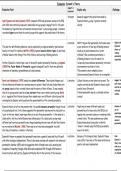
Structure of the cell surface membrane
All cells and organelles are surrounded by a partially permeable membrane
composed of a sea phospholipids with protein molecules between the
phospholipid molecules. The main function of the membrane is controlling the
movement of substances in and out of the cell/organelle. However, it also
contains receptors for other molecules such as hormones and enables adjacent
cells to stick together. The fluidity of the membrane and the mosaic
arrangement of the protein give the structure of the membrane its name –
fluid mosaic model.
Components:
Phospholipids- form a bilayer,
- hydrophilic heads of both phospholipid layers point to the outside of the
cell surface membrane attracted by water on both sides
- hydrophobic tails of both layers point to centre of the membrane, both
repelled by water.
Proteins- interspersed throughout the membrane, embedded in the
phospholipid bilayer in two ways:
- some act to give mechanical support to the membrane or as cell
receptors for molecules such as hormones. (don’t extend completely
across the bilayer)
- some are protein channels which form waterfilled tubes to allow water
soluble ions to diffuse across the membrane
- some are carrier proteins that bind to ions or molecules like glucose or
amino acids then change shape in order to move these molecules across
the membrane. (last two extend completely across the bilayer)
cholesterol- are within the phospholipid bilayer of the cell membrane. They
add strength to the membrane. They are very hydrophobic so prevent loss of
water and dissolved ions.
Glycolipids- made up of a carbohydrate covalently bonded to a lipid. The
carbohydrate acts as a cell-surface receptor for specific chemicals.
Glycoproteins- carbohydrate chains attached to many extrinsic proteins on the
outer surface of the membrane. Act as cell-surface receptors for hormones and
neurotransmitters.
,
Structure of the cell surface membrane
All cells and organelles are surrounded by a partially permeable membrane
composed of a sea phospholipids with protein molecules between the
phospholipid molecules. The main function of the membrane is controlling the
movement of substances in and out of the cell/organelle. However, it also
contains receptors for other molecules such as hormones and enables adjacent
cells to stick together. The fluidity of the membrane and the mosaic
arrangement of the protein give the structure of the membrane its name –
fluid mosaic model.
Components:
Phospholipids- form a bilayer,
- hydrophilic heads of both phospholipid layers point to the outside of the
cell surface membrane attracted by water on both sides
- hydrophobic tails of both layers point to centre of the membrane, both
repelled by water.
Proteins- interspersed throughout the membrane, embedded in the
phospholipid bilayer in two ways:
- some act to give mechanical support to the membrane or as cell
receptors for molecules such as hormones. (don’t extend completely
across the bilayer)
- some are protein channels which form waterfilled tubes to allow water
soluble ions to diffuse across the membrane
- some are carrier proteins that bind to ions or molecules like glucose or
amino acids then change shape in order to move these molecules across
the membrane. (last two extend completely across the bilayer)
cholesterol- are within the phospholipid bilayer of the cell membrane. They
add strength to the membrane. They are very hydrophobic so prevent loss of
water and dissolved ions.
Glycolipids- made up of a carbohydrate covalently bonded to a lipid. The
carbohydrate acts as a cell-surface receptor for specific chemicals.
Glycoproteins- carbohydrate chains attached to many extrinsic proteins on the
outer surface of the membrane. Act as cell-surface receptors for hormones and
neurotransmitters.
,