Best Chemistry: Chemical Kinetics Solutions Practice Exam
University of Indonesia CHEM 003
15’s Chemical Kinetics Practice Exam Solutions
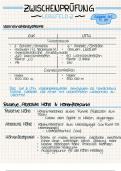
Chemical Kinetics
Solution Concentration
MOLARITY DILUTION MIXING
𝒏
M= M1V1 = M2V2 M = M1V1 + M2V2
𝑽
V1 + V2
M = . 10 . % M1, M2 = molarity of the
Mr solution before and after M = molarity of the mixed
M = solution molarity dilution solution
n = number of moles of V1, V2 = volume of the M1, M2 = molarity of
solute solution before and after solutions 1 and 2
V = volume of solution dilution
V1, V2 = volume of
= density (g/mL)
solutions 1 and 2
% = content (% of mass)
Mr = relative molecular
mass
,Reaction Rate Concept
Reaction rate is the rate at which reactants are reduced or the rate at which
products are formed
[𝑹] [𝑷]
v=- or v = +
𝒕 𝒕
v = reaction rate (M/s or Ms-1)
[𝑅]
- = the rate of reduction in the molar concentration of one of the
𝑡
reactants per unit time
[𝑃]
+ = the rate of increase in the molar concentration of one of the
𝑡
products per unit time
Note:
Rate of decomposition of reactants / rate of formation of products is
proportional to the coefficient.
Collision Theory
1. A reaction occurs due to collisions between reacting particles.
2. Not all collisions result in a reaction. Only an effective collision can
produce a reaction.
3. The minimum energy that the reactant particles must possess in
order to produce an effective collision is called the Activation
Energy (Ea).
4. The rate of reaction is highly dependent on the frequency of collisions,
the energy of the reactant particles, and the direction of the collisions.
, A+B AB
Reactant Product
colliding no reaction
particles A occurs
colliding no reaction
particles B occurs
possible
collision
not enough no reaction
energy occurs
collision of
particles A and B
enough reaction occurs
energy
Activation Energy in Exothermic Reactions
Reactant
Product
University of Indonesia CHEM 003
15’s Chemical Kinetics Practice Exam Solutions
Chemical Kinetics
Solution Concentration
MOLARITY DILUTION MIXING
𝒏
M= M1V1 = M2V2 M = M1V1 + M2V2
𝑽
V1 + V2
M = . 10 . % M1, M2 = molarity of the
Mr solution before and after M = molarity of the mixed
M = solution molarity dilution solution
n = number of moles of V1, V2 = volume of the M1, M2 = molarity of
solute solution before and after solutions 1 and 2
V = volume of solution dilution
V1, V2 = volume of
= density (g/mL)
solutions 1 and 2
% = content (% of mass)
Mr = relative molecular
mass
,Reaction Rate Concept
Reaction rate is the rate at which reactants are reduced or the rate at which
products are formed
[𝑹] [𝑷]
v=- or v = +
𝒕 𝒕
v = reaction rate (M/s or Ms-1)
[𝑅]
- = the rate of reduction in the molar concentration of one of the
𝑡
reactants per unit time
[𝑃]
+ = the rate of increase in the molar concentration of one of the
𝑡
products per unit time
Note:
Rate of decomposition of reactants / rate of formation of products is
proportional to the coefficient.
Collision Theory
1. A reaction occurs due to collisions between reacting particles.
2. Not all collisions result in a reaction. Only an effective collision can
produce a reaction.
3. The minimum energy that the reactant particles must possess in
order to produce an effective collision is called the Activation
Energy (Ea).
4. The rate of reaction is highly dependent on the frequency of collisions,
the energy of the reactant particles, and the direction of the collisions.
, A+B AB
Reactant Product
colliding no reaction
particles A occurs
colliding no reaction
particles B occurs
possible
collision
not enough no reaction
energy occurs
collision of
particles A and B
enough reaction occurs
energy
Activation Energy in Exothermic Reactions
Reactant
Product