ahip Lab Quiz 1 2022
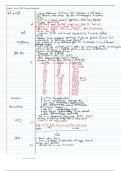
Emergency Action Plan (EAP)
- Used to explain and organize
the roles of the sports medicine
team during emergency situations
Emergency action plan protocols
- have access to a phone
emergency phone numbers
- instructions for emergency
operator
- instructions where to meet
ambulance
- medical supplies - medical
history - address of facility and
map of facility Medical history
cards include
- personal health numbers -
family physician and number - next
,of kin and number - allergies -
medications being used - past
history of injury or illness
equipment and supplies needed - -
something to establish an airway -
something to cut with - something
to control bleeding protective
equipment may to used to: -
Disperse energy Absorb energy Slow
down the rate of energy Deflect a
blow Transmit energy to other body
areas Protect against sharp
instruments Limit excessive
movement the 3 C's - charge person,
call person, control person charge
person - Takes the responsibility,
makes the decision as to whether
professional help is required;
usually the person with the most
training and/or experience call
person - Responsible for
communicating with the charge
,person and making the call to
summon the ambulance; should have
emergency numbers, phone access,
be able to give info to emergency
dispatcher, and communicate with
security/maintenance to ensure
ambulance access; reports back to
charge person once this is
completed Control person -
Responsible for keeping away
onlookers, players, crowd, etc;
this keeps the athlete calm and
safer, and gives the charge person
and any other medical attendants
the space and environment they
need to deal with the athlete as
effectively as possible
Communication signal: unconscious
- hand over face Communication
signal: spinal - tap head
Communication signal: not
breathing - grasp throat
, Communication signal: come here -
wave towards Communication signal:
get ambulance - wave in air HOPS /
HOPE - History Observation
Palpation Special tests / Evaluate
function History of the athlete -
HPi - history of present injury or
illness PMHx - past medical
history PRx - past treatement
SocHx - social history PQRST PQRST
- Provoked Quality
Region/Radiation Severity Timing
Observation of athletes - what do
you see? deformities, lumps,
swelling, bruising etc. Palpation
of athlete - bony and soft tissue
landmarks start distally and work
towards the injury compare sides
of the body what are you looking
for in palpations? - tenderness,
warmth, muscle
guarding/tone/tension, swelling,
Emergency Action Plan (EAP)
- Used to explain and organize
the roles of the sports medicine
team during emergency situations
Emergency action plan protocols
- have access to a phone
emergency phone numbers
- instructions for emergency
operator
- instructions where to meet
ambulance
- medical supplies - medical
history - address of facility and
map of facility Medical history
cards include
- personal health numbers -
family physician and number - next
,of kin and number - allergies -
medications being used - past
history of injury or illness
equipment and supplies needed - -
something to establish an airway -
something to cut with - something
to control bleeding protective
equipment may to used to: -
Disperse energy Absorb energy Slow
down the rate of energy Deflect a
blow Transmit energy to other body
areas Protect against sharp
instruments Limit excessive
movement the 3 C's - charge person,
call person, control person charge
person - Takes the responsibility,
makes the decision as to whether
professional help is required;
usually the person with the most
training and/or experience call
person - Responsible for
communicating with the charge
,person and making the call to
summon the ambulance; should have
emergency numbers, phone access,
be able to give info to emergency
dispatcher, and communicate with
security/maintenance to ensure
ambulance access; reports back to
charge person once this is
completed Control person -
Responsible for keeping away
onlookers, players, crowd, etc;
this keeps the athlete calm and
safer, and gives the charge person
and any other medical attendants
the space and environment they
need to deal with the athlete as
effectively as possible
Communication signal: unconscious
- hand over face Communication
signal: spinal - tap head
Communication signal: not
breathing - grasp throat
, Communication signal: come here -
wave towards Communication signal:
get ambulance - wave in air HOPS /
HOPE - History Observation
Palpation Special tests / Evaluate
function History of the athlete -
HPi - history of present injury or
illness PMHx - past medical
history PRx - past treatement
SocHx - social history PQRST PQRST
- Provoked Quality
Region/Radiation Severity Timing
Observation of athletes - what do
you see? deformities, lumps,
swelling, bruising etc. Palpation
of athlete - bony and soft tissue
landmarks start distally and work
towards the injury compare sides
of the body what are you looking
for in palpations? - tenderness,
warmth, muscle
guarding/tone/tension, swelling,