Haematoma
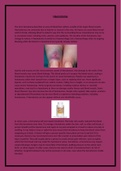
The term hematoma describes an area of blood that collects outside of the larger blood vessels.
Haematomas are commonly due to injuries or trauma in the area. An injury can cause blood vessel
walls to break, allowing blood to make its way into the surrounding tissue. Haematomas may occur
in any blood vessel, including veins, arteries, and capillaries. The location of the hematoma may
change its nature. A haematoma is similar to a haemorrhage, but a haemorrhage refers to ongoing
bleeding while the blood in a hematoma has typically already clotted.
Injuries and trauma are the most common causes of hematomas. Any damage to the walls of the
blood vessels may cause blood leakage. This blood pools as it escapes the blood vessel, causing a
hematoma. Injuries do not have to be severe to cause hematomas. People may experience a
hematoma under their toenail from a simple injury, such as stubbing their toe. More significant
injuries, such as those sustained from vehicle crashes, falling from a height, or an aneurysm can also
cause severe hematomas. Some surgical procedures, including medical, dental, or cosmetic
operations, may lead to a hematoma as they can damage nearby tissues and blood vessels. Some
blood thinners may also increase the risk of hematomas. People who regularly take aspirin, warfarin,
or dipyridamole (Persantine) may be more likely to experience bleeding problems, including
hematomas. A hematoma can also appear without any identifiable cause.
In some cases, a hematoma will not require treatment. The body will usually reabsorb the blood
from the hematoma over time. To manage a hematoma under the skin, nail, or other soft tissue, a
person should rest the injured area and apply an ice pack wrapped in a towel to reduce any pain or
swelling. It may help to wrap or splint the area around the hematoma to keep the blood vessel from
reopening as it heals. A doctor will give a person specific instructions on how to do this if it is
necessary. Doctors may recommend some over-the-counter or prescription pain relievers if the
injury is painful. They will usually advise a person to avoid certain pain relievers, such as aspirin,
which thin the blood and may make the hematoma worse. Sometimes, a hematoma may require
surgical drainage. Surgery may be more likely if the blood is putting pressure on the spinal cord,
brain, or other organs. In other cases, doctors may want to drain a hematoma that is at risk of
infection. Surgical treatment may not be necessary in all cases, even when the hematoma is inside
the skull.
The term hematoma describes an area of blood that collects outside of the larger blood vessels.
Haematomas are commonly due to injuries or trauma in the area. An injury can cause blood vessel
walls to break, allowing blood to make its way into the surrounding tissue. Haematomas may occur
in any blood vessel, including veins, arteries, and capillaries. The location of the hematoma may
change its nature. A haematoma is similar to a haemorrhage, but a haemorrhage refers to ongoing
bleeding while the blood in a hematoma has typically already clotted.
Injuries and trauma are the most common causes of hematomas. Any damage to the walls of the
blood vessels may cause blood leakage. This blood pools as it escapes the blood vessel, causing a
hematoma. Injuries do not have to be severe to cause hematomas. People may experience a
hematoma under their toenail from a simple injury, such as stubbing their toe. More significant
injuries, such as those sustained from vehicle crashes, falling from a height, or an aneurysm can also
cause severe hematomas. Some surgical procedures, including medical, dental, or cosmetic
operations, may lead to a hematoma as they can damage nearby tissues and blood vessels. Some
blood thinners may also increase the risk of hematomas. People who regularly take aspirin, warfarin,
or dipyridamole (Persantine) may be more likely to experience bleeding problems, including
hematomas. A hematoma can also appear without any identifiable cause.
In some cases, a hematoma will not require treatment. The body will usually reabsorb the blood
from the hematoma over time. To manage a hematoma under the skin, nail, or other soft tissue, a
person should rest the injured area and apply an ice pack wrapped in a towel to reduce any pain or
swelling. It may help to wrap or splint the area around the hematoma to keep the blood vessel from
reopening as it heals. A doctor will give a person specific instructions on how to do this if it is
necessary. Doctors may recommend some over-the-counter or prescription pain relievers if the
injury is painful. They will usually advise a person to avoid certain pain relievers, such as aspirin,
which thin the blood and may make the hematoma worse. Sometimes, a hematoma may require
surgical drainage. Surgery may be more likely if the blood is putting pressure on the spinal cord,
brain, or other organs. In other cases, doctors may want to drain a hematoma that is at risk of
infection. Surgical treatment may not be necessary in all cases, even when the hematoma is inside
the skull.