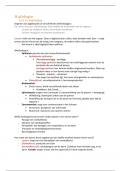
Psychology; Relationships: Evolutionary explanations for partner preferences
Assessing the relationship between sexual selection and human reproductive behaviour. (16)
Charles Darwin proposed that the selection of characteristics is concerned with successful
reproduction moreover survival. E.g., physical features such as a male peacock’s tail, is a sign of
genetic fitness. Females who select these characteristics will produce strong offspring, and
preference for these characteristics are passed through generations.
Anisogamy (difference between sex cells) is the basis of human reproductive behaviour. The greatest
difference being that there is no shortage of fertile males, though women are fertile at intervals, this
introduces two types of sexual selection.
Inter sexual selection refers to between sexes, strategies whereby female selects male or vice versa,
this is preferred by females. (Trivers, 1972) states how both sexes can be picky, because both stand
to lose if they invest into a partner that proves to be below expectations, however consequence of
wrong choice is worse for female due to higher investment regarding giving birth and childbearing.
So, females seek to select the most genetically fit males who can provide all needs and desires.
Intra sexual selection refers to within sexes, strategies that males use against each other to be the
one most desirable to the female, the winner of the competition reproduces with the female and
passes on characteristics too offspring. Dimorphism happens as a result, whereby males remain
larger for the advantage of ‘winning’ the female, whereas the females does not need this, instead
females ‘youthfulness’ remains desirable to males.
Evolutionary explanation is criticised for not being able to explain the partner preference of gay men
and lesbian women. This is mainly because homosexual relationships don’t have reproduction as a
primary aim. Lawson (2014) assessed personal ads from homo and heterosexual people, describing
what they look for in a partner. Found that preferences of homosexual of men and women differ just
as they do for heterosexuals. This suggests that differences in partner preferences is not only down
to reproduction, further this explanations lacks temporal validity with the lack of consideration to
homosexuality.
Research support for inter-sexual selection is Evidence supporting the specific role of female
choosiness in heterosexual partner preference. Hatfield (1989) sent male and female psychology
students out across a university campus and students approached others individually with the
question “I find you to be attractive, would you go to bed with me tonight.”
Results show not a single female agreed to this, whereas 75% of males did immediately.
This supports that females are choosier when it comes to selecting sexual partners, and that it is
significantly stronger than male strategy. However, the argument that one strategy is adaptive for all
males, and another is adaptive for females is simplistic.
At the very least it appears that strategies differ according to length of time that the relationship
exists. The sexual strategies theory argues that males and females adopt similar mating strategies
when seeking long-term relationships. This shows how there may be a more complex explanation for
the influence of evolution on partner preferences than is proposed.
Research support for intra-sexual selection evidence to support the predictions of sexual selection
theory. Buss (1989): Survey of 10,000 adults in 300 countries! Asked questions related to factors
that the evolutionary theory says are important in partner preference.
Results found that females valued resource related characteristics such as good financial position
more than males. Males valued physical attractiveness and youth more than females. These
Assessing the relationship between sexual selection and human reproductive behaviour. (16)
Charles Darwin proposed that the selection of characteristics is concerned with successful
reproduction moreover survival. E.g., physical features such as a male peacock’s tail, is a sign of
genetic fitness. Females who select these characteristics will produce strong offspring, and
preference for these characteristics are passed through generations.
Anisogamy (difference between sex cells) is the basis of human reproductive behaviour. The greatest
difference being that there is no shortage of fertile males, though women are fertile at intervals, this
introduces two types of sexual selection.
Inter sexual selection refers to between sexes, strategies whereby female selects male or vice versa,
this is preferred by females. (Trivers, 1972) states how both sexes can be picky, because both stand
to lose if they invest into a partner that proves to be below expectations, however consequence of
wrong choice is worse for female due to higher investment regarding giving birth and childbearing.
So, females seek to select the most genetically fit males who can provide all needs and desires.
Intra sexual selection refers to within sexes, strategies that males use against each other to be the
one most desirable to the female, the winner of the competition reproduces with the female and
passes on characteristics too offspring. Dimorphism happens as a result, whereby males remain
larger for the advantage of ‘winning’ the female, whereas the females does not need this, instead
females ‘youthfulness’ remains desirable to males.
Evolutionary explanation is criticised for not being able to explain the partner preference of gay men
and lesbian women. This is mainly because homosexual relationships don’t have reproduction as a
primary aim. Lawson (2014) assessed personal ads from homo and heterosexual people, describing
what they look for in a partner. Found that preferences of homosexual of men and women differ just
as they do for heterosexuals. This suggests that differences in partner preferences is not only down
to reproduction, further this explanations lacks temporal validity with the lack of consideration to
homosexuality.
Research support for inter-sexual selection is Evidence supporting the specific role of female
choosiness in heterosexual partner preference. Hatfield (1989) sent male and female psychology
students out across a university campus and students approached others individually with the
question “I find you to be attractive, would you go to bed with me tonight.”
Results show not a single female agreed to this, whereas 75% of males did immediately.
This supports that females are choosier when it comes to selecting sexual partners, and that it is
significantly stronger than male strategy. However, the argument that one strategy is adaptive for all
males, and another is adaptive for females is simplistic.
At the very least it appears that strategies differ according to length of time that the relationship
exists. The sexual strategies theory argues that males and females adopt similar mating strategies
when seeking long-term relationships. This shows how there may be a more complex explanation for
the influence of evolution on partner preferences than is proposed.
Research support for intra-sexual selection evidence to support the predictions of sexual selection
theory. Buss (1989): Survey of 10,000 adults in 300 countries! Asked questions related to factors
that the evolutionary theory says are important in partner preference.
Results found that females valued resource related characteristics such as good financial position
more than males. Males valued physical attractiveness and youth more than females. These