Charles Taylor - Rationality
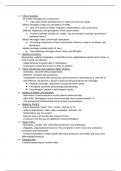
● There is a difference between irrationality and non-rationality/lesser rationality
○ irrationality refers to logical inconsistency or contradiction
○ when we denigrate the belief systems of other cultures we are probably
accusing them of being less rational than ours, rather than irrational
■ such a judgement relies on some standards of rationality
that apply across cultures
● The crucial difference between our culture and that of e.g. the Zande is that we have
theoretical understanding
○ this requires a disengaged perspective - a concern with things as they are,
rather than simply as they affect us
■ this accounts for a vast difference in what we think and
say
○ a theoretical understanding seeks to articulate, to lay out the features of
the issue in perspicuous order
■ this perspicuous order is necessarily disengaged and thus
related to rationality
○ members of theoretical cultures find this view plausible, and tend to
judge the beliefs of atheoretical cultures less rational
■ this is distinct from accusing them of contradiction or
inconsistency, which would constitute irrationality
○ Winch claims that it is wrong to judge an atheoretical culture by the
standards of a theoretical one
■ we shouldn’t judge the Zande by its success in gaining
control over nature (technology) because this may not be one of their standards
of rationality
● Winch argues that we may be missing the point of certain rituals in interpreting them
according to the standards of science
○ maybe rather than seeking to control their environment, they are merely
expressing an attitude towards contingencies
■ whilst it is plausible that they are doing so, it seems
unlikely that they are not also attempting to control some of those contingencies
○ to claim that the standards are completely different is still ethnocentric
■ it means we can judge the contrast in terms that make no
sense to the other culture
● Modern science was facilitated by the breaking of the connection between understanding
of the world and attunement with the world
○ whereas pre-Galilean science saw understanding as a logical corollary of
attunement with the natural world, modern science jettisoned these notions of meaning
and significance as obstructing illusions
○ but there are still problems in applying this distinction to other societies
■ raises the question of whether this distinction has any
sense for them
○ the two approaches to science are incommensurable; they occupy the
same space but cannot both be carried on at the same time
● Similarly scientific and primitive cultural beliefs are incommensurable
● There is a difference between irrationality and non-rationality/lesser rationality
○ irrationality refers to logical inconsistency or contradiction
○ when we denigrate the belief systems of other cultures we are probably
accusing them of being less rational than ours, rather than irrational
■ such a judgement relies on some standards of rationality
that apply across cultures
● The crucial difference between our culture and that of e.g. the Zande is that we have
theoretical understanding
○ this requires a disengaged perspective - a concern with things as they are,
rather than simply as they affect us
■ this accounts for a vast difference in what we think and
say
○ a theoretical understanding seeks to articulate, to lay out the features of
the issue in perspicuous order
■ this perspicuous order is necessarily disengaged and thus
related to rationality
○ members of theoretical cultures find this view plausible, and tend to
judge the beliefs of atheoretical cultures less rational
■ this is distinct from accusing them of contradiction or
inconsistency, which would constitute irrationality
○ Winch claims that it is wrong to judge an atheoretical culture by the
standards of a theoretical one
■ we shouldn’t judge the Zande by its success in gaining
control over nature (technology) because this may not be one of their standards
of rationality
● Winch argues that we may be missing the point of certain rituals in interpreting them
according to the standards of science
○ maybe rather than seeking to control their environment, they are merely
expressing an attitude towards contingencies
■ whilst it is plausible that they are doing so, it seems
unlikely that they are not also attempting to control some of those contingencies
○ to claim that the standards are completely different is still ethnocentric
■ it means we can judge the contrast in terms that make no
sense to the other culture
● Modern science was facilitated by the breaking of the connection between understanding
of the world and attunement with the world
○ whereas pre-Galilean science saw understanding as a logical corollary of
attunement with the natural world, modern science jettisoned these notions of meaning
and significance as obstructing illusions
○ but there are still problems in applying this distinction to other societies
■ raises the question of whether this distinction has any
sense for them
○ the two approaches to science are incommensurable; they occupy the
same space but cannot both be carried on at the same time
● Similarly scientific and primitive cultural beliefs are incommensurable