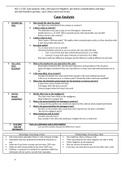
SGS 1: Civil: Case analysis- duty, who pays for litigation, pre-action considerations and legal
aid and limitation periods, court choice and track choice
Case Analysis
1. Establish the 1. Who should the client be suing?
Duty - Are there any restrictions in the retainer or contract?
2. Is there a duty in contract?
- The defendant must owe a duty of care (Donoghue v Stevenson)
- Implied terms in s.13 SGSA 1982 to provide service with reasonable care and skill
- Express terms in the contract?
3. Is there a duty in tort?
- Does Caparo v Dickman apply? This applies when somebody gives advice as they should provide
it with reasonable skill and care.
4. Any other duties?
- Try as many ways to sue as possible.
- Check the limitation periods so you can choose the one which fits best.
o Tort- 6 years from date they suffered financial loss (s.2 LA 1980)
o Contract- 6 years from date of breach of contract (s.5 LA 1980)
- Each duty could have difference damages and the defences could be different in each also.
2. Has a duty 1. What is the standard of care expected in this case?
been - Reasonably competent XXX. Use the exact experience and specialism of the breacher.
breached? - Apply the higher standard if they are a specialist in a certain area and hold themselves out to
be.
2. Is the issue likely to be a breach?
- Consider the Bolam test, what would other people in the same setting have done?
- Is the error an obvious error or esoteric point? Should the advice have been qualified?
3. When does the limitation period expire for the breaches in contract and tort?
- 6 years from cause of action for both.
- Tort begins when the loss occurred
- Contract begins when the breach occurred
3. Has the 1. Did the client rely on the negligence?
breach - The client must have relied on the negligence.
caused loss? - Need evidence to support this.
2. What’s the general position for damages in contract?
- To be put in the position you would have been had the contract been properly performed.
3. What’s the general position for damages in tort?
- Put them in the position they would have been had the tort not been committed
- “But for the negligent advice”
4. What would you seek to claim?
- Consider what the loss is
- Also consider if the client did anything to mitigate the loss or otherwise
4. IF ACTING How can a defendant seek to limit liability?
FOR THE - Can say they should only pay the difference in price
DEFENDANT:
Advantages of pursuing a claim Disadvantages of pursuing a claim
Get money back especially if there’s a lot of money at stake You could lose, there is always a risk
Defendant may have professional indemnity insurance to Time consuming for the client, litigation can take a while
pay Costly, litigation can be expensive
Likely win if you have a strong case but never 100% sure May not recover all money lost
Likely win with strong evidence but never 100% sure If you lose, you may have to pay for the other side’s costs
Publicity- a company can maintain its reputation whilst the
defendant will not want to tarnish their reputation
1
aid and limitation periods, court choice and track choice
Case Analysis
1. Establish the 1. Who should the client be suing?
Duty - Are there any restrictions in the retainer or contract?
2. Is there a duty in contract?
- The defendant must owe a duty of care (Donoghue v Stevenson)
- Implied terms in s.13 SGSA 1982 to provide service with reasonable care and skill
- Express terms in the contract?
3. Is there a duty in tort?
- Does Caparo v Dickman apply? This applies when somebody gives advice as they should provide
it with reasonable skill and care.
4. Any other duties?
- Try as many ways to sue as possible.
- Check the limitation periods so you can choose the one which fits best.
o Tort- 6 years from date they suffered financial loss (s.2 LA 1980)
o Contract- 6 years from date of breach of contract (s.5 LA 1980)
- Each duty could have difference damages and the defences could be different in each also.
2. Has a duty 1. What is the standard of care expected in this case?
been - Reasonably competent XXX. Use the exact experience and specialism of the breacher.
breached? - Apply the higher standard if they are a specialist in a certain area and hold themselves out to
be.
2. Is the issue likely to be a breach?
- Consider the Bolam test, what would other people in the same setting have done?
- Is the error an obvious error or esoteric point? Should the advice have been qualified?
3. When does the limitation period expire for the breaches in contract and tort?
- 6 years from cause of action for both.
- Tort begins when the loss occurred
- Contract begins when the breach occurred
3. Has the 1. Did the client rely on the negligence?
breach - The client must have relied on the negligence.
caused loss? - Need evidence to support this.
2. What’s the general position for damages in contract?
- To be put in the position you would have been had the contract been properly performed.
3. What’s the general position for damages in tort?
- Put them in the position they would have been had the tort not been committed
- “But for the negligent advice”
4. What would you seek to claim?
- Consider what the loss is
- Also consider if the client did anything to mitigate the loss or otherwise
4. IF ACTING How can a defendant seek to limit liability?
FOR THE - Can say they should only pay the difference in price
DEFENDANT:
Advantages of pursuing a claim Disadvantages of pursuing a claim
Get money back especially if there’s a lot of money at stake You could lose, there is always a risk
Defendant may have professional indemnity insurance to Time consuming for the client, litigation can take a while
pay Costly, litigation can be expensive
Likely win if you have a strong case but never 100% sure May not recover all money lost
Likely win with strong evidence but never 100% sure If you lose, you may have to pay for the other side’s costs
Publicity- a company can maintain its reputation whilst the
defendant will not want to tarnish their reputation
1