A01:
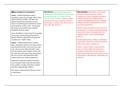
ANIMAL STUDIES OF ATTACHMENT: A03 evidence:
Guiton – found that chickens imprinted on A03: evaluation
Studies are anthropomorphic, as they study
rubber gloves with is support for Lorenz theory animals not human behaviour. Harlow’s
Lorenz – studied imprinting on geese,
and how they went on to mate with them monkeys are a closer comparison than geese,
separated a group of goose eggs, half of which
supports sexual imprinting. (However, effects however humans have a higher level of
stayed with their mothers, the other half
were found not to be as long term as Lorenz cognitive functioning than animals. Therefore,
hatched and the first thing they saw was
had thought, as chickens later able to learn to findings can’t fully be generalised to humans
Lorenz. Found that geese imprinted on Lorenz
mate with other chickens) and human attachment.
and treated him as their ‘mum’. Found when
the groups were reunited, they naturally Harlow’s study was unethical in the short term
separated into their groups and long term as monkeys had lifelong damage,
however this doesn’t necessarily effect the
Lorenz identified a critical period for imprinting
validity of results, is just a methodological
(a few hours) and found that if this did not
criticism.
happen within the period then the geese did
not attach to a ‘mother’ figure Practical applications to children’s attachment
and caregiver attachment, reflected in policies
Harlow – studied attachment to a mother
within care systems, hospitals etc.
figure. Separated monkey’s from their mothers
and placed them with a cloth mum and a wire Harlow’s research helps to understand the
mum, the wire mum dispensed milk. Found value of comfort within early attachment
that the monkeys spent majority of time with compared to importance of who feeds you,
the cloth mum and clung to that, only going to study showed importance of the quality of early
the wire mum for milk. Showed that they attachments in effecting later relationships and
valued comfort over food for attachment behaviour.
Followed the deprived monkeys and found
severe long term effects due the deprivation,
were unable to socialise with other monkeys
and often neglected their children
Also found a critical period of 90 days to from
an attachment
, A01:
LEARNING THEORY OF ATTACHMENT A03
Searsevidence:
et al – support for drive reduction theory, A03: evaluation
Weakness is theories of conditioning are based
(CUPBOARD LOVE THEORY): suggested that because primary care givers on animals and therefore the results are
provide food, the primary drive becomes anthropomorphic and can’t be generalised to
Based on idea that attachment is to provider of
generalised to them. humans which are more complex.
food. Based on classical and operant
conditioning Weakness is that theory suggests primary
attachment would be to those who feed them,
Classical conditioning – stimulus response
contradicted by Shaffer and Emmerson who
reaction, learning through association
found more than half of infants were not
UCS (food) UCR (pleasure) attached to the person primarily involved with
their physical care.
NS (mother) No response
Weakness is that Ainsworth believed that
UCS (food) + NS (mother) UCR (pleasure) sensitive responsiveness was more influential in
CS (mother) CR (pleasure) forming attachments that just the person who
feeds them.
Operant conditioning – reinforcement of
behaviour through positive or negative Weakness as Harlow contradicts theory as
consequences. Explains why babies cry for monkeys did not attach to wire mum who
comfort, crying results in comfort from their dispensed milk but instead to cloth mum,
caregiver, this is positive reinforcement of the suggests comfort is a more important factor.
behaviour. It is also negative reinforcement as Reductionistic as it reduces attachment down
it is used to escape/avoid negative to environmental factors of who feeds you,
consequences of crying. This mutual Bowlby and Lorenz contradict this with their
reinforcement strengthens the attachment innate biological theories of attachment.
Drive reduction – hunger is a primary drive, an
innate biological motivator, attachment
becomes the secondary drive as an association
between the satisfaction of the primary drive
and the caregiver
ANIMAL STUDIES OF ATTACHMENT: A03 evidence:
Guiton – found that chickens imprinted on A03: evaluation
Studies are anthropomorphic, as they study
rubber gloves with is support for Lorenz theory animals not human behaviour. Harlow’s
Lorenz – studied imprinting on geese,
and how they went on to mate with them monkeys are a closer comparison than geese,
separated a group of goose eggs, half of which
supports sexual imprinting. (However, effects however humans have a higher level of
stayed with their mothers, the other half
were found not to be as long term as Lorenz cognitive functioning than animals. Therefore,
hatched and the first thing they saw was
had thought, as chickens later able to learn to findings can’t fully be generalised to humans
Lorenz. Found that geese imprinted on Lorenz
mate with other chickens) and human attachment.
and treated him as their ‘mum’. Found when
the groups were reunited, they naturally Harlow’s study was unethical in the short term
separated into their groups and long term as monkeys had lifelong damage,
however this doesn’t necessarily effect the
Lorenz identified a critical period for imprinting
validity of results, is just a methodological
(a few hours) and found that if this did not
criticism.
happen within the period then the geese did
not attach to a ‘mother’ figure Practical applications to children’s attachment
and caregiver attachment, reflected in policies
Harlow – studied attachment to a mother
within care systems, hospitals etc.
figure. Separated monkey’s from their mothers
and placed them with a cloth mum and a wire Harlow’s research helps to understand the
mum, the wire mum dispensed milk. Found value of comfort within early attachment
that the monkeys spent majority of time with compared to importance of who feeds you,
the cloth mum and clung to that, only going to study showed importance of the quality of early
the wire mum for milk. Showed that they attachments in effecting later relationships and
valued comfort over food for attachment behaviour.
Followed the deprived monkeys and found
severe long term effects due the deprivation,
were unable to socialise with other monkeys
and often neglected their children
Also found a critical period of 90 days to from
an attachment
, A01:
LEARNING THEORY OF ATTACHMENT A03
Searsevidence:
et al – support for drive reduction theory, A03: evaluation
Weakness is theories of conditioning are based
(CUPBOARD LOVE THEORY): suggested that because primary care givers on animals and therefore the results are
provide food, the primary drive becomes anthropomorphic and can’t be generalised to
Based on idea that attachment is to provider of
generalised to them. humans which are more complex.
food. Based on classical and operant
conditioning Weakness is that theory suggests primary
attachment would be to those who feed them,
Classical conditioning – stimulus response
contradicted by Shaffer and Emmerson who
reaction, learning through association
found more than half of infants were not
UCS (food) UCR (pleasure) attached to the person primarily involved with
their physical care.
NS (mother) No response
Weakness is that Ainsworth believed that
UCS (food) + NS (mother) UCR (pleasure) sensitive responsiveness was more influential in
CS (mother) CR (pleasure) forming attachments that just the person who
feeds them.
Operant conditioning – reinforcement of
behaviour through positive or negative Weakness as Harlow contradicts theory as
consequences. Explains why babies cry for monkeys did not attach to wire mum who
comfort, crying results in comfort from their dispensed milk but instead to cloth mum,
caregiver, this is positive reinforcement of the suggests comfort is a more important factor.
behaviour. It is also negative reinforcement as Reductionistic as it reduces attachment down
it is used to escape/avoid negative to environmental factors of who feeds you,
consequences of crying. This mutual Bowlby and Lorenz contradict this with their
reinforcement strengthens the attachment innate biological theories of attachment.
Drive reduction – hunger is a primary drive, an
innate biological motivator, attachment
becomes the secondary drive as an association
between the satisfaction of the primary drive
and the caregiver