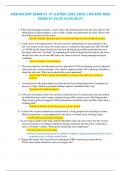
HESI MED SURG RN EXAM QUESTIONS AND ANSWERS () update
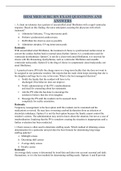
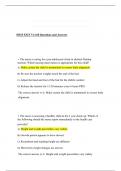
1. A client on telemetry has a pattern of uncontrolled atrial fibrillation with a rapid ventricular response. Based on this finding, the nurse anticipates assisting the physician with which treatment? A. Administer lidocaine, 75 mg intravenous push. B. Perform synchronized cardioversion. C. Defibrillate the client as soon as possible. D. Administer atropine, 0.4 mg intravenous push. Rationale: With uncontrolled atrial fibrillation, the treatment of choice is synchronized cardioversion to convert the cardiac rhythm back to normal sinus rhythm. Option A is a medication used for ventricular dysrhythmias. Option C is not for a client with atrial fibrillation; it is reserved for clients with life-threatening dysrhythmias, such as ventricular fibrillation and unstable ventricular tachycardia. Option D is the drug of choice in symptomatic sinus bradycardia, not atrial fibrillation. 2. A practical nurse (PN) tells the charge nurse in a long-term facility that she does not want to be assigned to one particular resident. She reports that the male client keeps insisting that she is his daughter and begs her to stay in his room. What is the best managerial decision? A. Notify the family that the resident will have to be discharged if his behavior does not improve. B. Notify administration of the PN’s insubordination and need for counseling about her statements. C. Ask the PN what she has done to encourage the resident to believe that she is his daughter. D. Reassign the PN until the resident can be assessed more completely for reality orientation. Rationale: Temporary reassignment is the best option until the resident can be examined and his medications reviewed. He may have worsening cerebral dysfunction from an infection or electrolyte imbalance. Option A is not the best option because the family cannot control the resident’s actions. The administration may need to know about the situation, but not as a case of insubordination. Implying that the PN is somehow creating the situation is inappropriate until a further evaluation has been conducted. 3. Client census is often used to determine staffing needs. Which method of obtaining census determination for a particular unit provides the best formula for determining long-range staffing patterns? A. Midnight census B. Oncoming shift census C. Average daily census D. Hourly census Rationale: An average daily census is determined by trend data and takes into account seasonal and daily fluctuations, so it is the best method for determining staffing needs. Options A and B provide data at a certain point in time, and that data could change quickly. It is unrealistic to expect to obtain an hourly census, and such data would only provide information about a certain point in time. 4. The nurse is counseling a healthy 30-year-old female client regarding osteoporosis prevention. Which activity would be most beneficial in achieving the client’s goal of osteoporosis prevention? A. Cross-country skiing B. Scuba diving C. Horseback riding D. Kayaking Rationale: Weight-bearing exercise is an important measure to reduce the risk of osteoporosis. Of the activities listed, cross- country skiing includes the most weight-bearing, whereas options B, C, and D involve less. 5. Which condition should the nurse anticipate as a potential problem in a female client with a neurogenic bladder? A. Stress incontinence B. Infection C. Painless gross hematuria D. Peritonitis Rationale: Infection is the major complication resulting from stasis of urine and subsequent catheterization. Option A is the involuntary loss of urine through an intact urethra as a result of a sudden increase in intra-abdominal pressure. Option C is the most common symptom of bladder cancer. Option D is the most common and serious complication of peritoneal dialysis. 6. A client is being discharged following radioactive seed implantation for prostate cancer. What is the most important information that the nurse should provide to this client’s family? A. Follow exposure precautions. B. Encourage regular meals. C. Collect all urine. D. Avoid touching the client. Rationale: Clients being treated for prostate cancer with radioactive seed implants should be instructed regarding the amount of time and distance needed to prevent excessive exposure that would pose a hazard to others. Option B is a good suggestion to promote adequate nutrition but is not as important as option A. Option C is unnecessary. Contact with the client is permitted but should be brief to limit radiation exposure. 7. In assessing a client with an arteriovenous (AV) shunt who is scheduled for dialysis today, the nurse notes the absence of a thrill or bruit at the shunt site. What action should the nurse take? A. Advise the client that the shunt is intact and ready for dialysis as scheduled. B. Encourage the client to keep the shunt site elevated above the level of the heart. C. Notify the health care provider of the findings immediately. D. Flush the site at least once with a heparinized saline solution. Rationale: Absence of a thrill or bruit indicates that the shunt may be obstructed. The nurse should notify the health care provider so that intervention can be initiated to restore function of the shunt. Option A is incorrect. Option B will not resolve the obstruction. An AV shunt is internal and cannot be flushed without access using special needles. 8. The nurse is concerned about infection for a client after an esophagogastrostomy for esophageal cancer. Which actions should the nurse include in the client’s plan of care? (Select all that apply.) A. Frequent oral care every 2 hours while awake. B. Use incentive spirometer every 2 hours. C. Empty contents from NG tube every 8 hours. D. Ambulate within 1 hour of return from the PACU. E. Limit visitors until postoperative day 2. Rationale: One hour post op is too soon to ambulate for this client. Visitors help support the patient and are encouraged to visit. Oral care is necessary as the client will be NPO. To decrease the risk of infection post operatively, implement routine pulmonary exercises. The client will have an NG tube in place, likely to intermittent suction, to decompress the stomach post surgery.
Written for
- Institution
-
Rasmussen College
- Course
-
HESI MED SURG RN
Document information
- Uploaded on
- July 3, 2022
- Number of pages
- 66
- Written in
- 2021/2022
- Type
- Exam (elaborations)
- Contains
- Questions & answers
Subjects
- the
-
hesi med surg rn exam questions and answers 2021 2022 update
-
1 a client on telemetry has a pattern of uncontrolled atrial fibrillation with a rapid ventricular response based on this finding

Also available in package deal