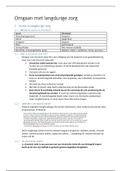
PHSC 211 Chapter 8 Quiz (Fall 20 20)– Liberty University (A grade) Questions 1 through 4 are based on Lab Exercise #1: Time Lag. 1. Record your answer from Lab Exercise #1, Step 1, Question 1 . What time in hours:minutes:seconds GMT did the P waves arrive? a. 01:48:00 b. 01:49:00 c. 01:50:00 d. 01:51:00 2. Record your answer from Lab Exercise #1, Step 1, Question 2 . What time in hours:minutes:seconds GMT did the S waves arrive? a. 01:51:30 b. 01:52:00 c. 01:53:10 d. 01:54:20 3. Record your answer from Lab Exercise #1, Step 1, Question 3 . What is the time lag (S -P) in hours:minutes:seconds? a. 00:02:00 b. 00:03:20 c. 00:03:30 d. 00:04:10 4. Record your answer from Lab Exercise #1, Step 2, Question 4 . What is the distance in kil ometers between the seismic station and the epicenter? a. 2400 km b. 2600 km c. 2800 km d. 3000 km Questions 5 through 11 are based on Lab Exercise #2: Locating the Epicenter of an Earthquake. 5. Record your answer from Lab Exercise #2, Step 1 . What is the time lag for noted at the Seattle, Washington, seismic station? a. 45 seconds b. 50 seconds c. 55 seconds d. 65 seconds 6. Record your answer from Lab Exercise #2, Step 2 . What is the distance between the Seattle seismic station and the earthquake’s ep icenter? a. 600 km b. 700 km c. 800 km d. 900 km 7. Record your answer from Lab Exercise #2, Step 3. What is the time lag for noted at the Los Angeles, California, seismic station? a. 100 seconds b. 120 seconds c. 140 seconds d. 160 seconds 8. Record your answer from Lab Exercise #2, Step 4 . What is the distance between the Los Angeles seismic station and the earthquake’s epicenter? a. 1000 km b. 1100 km c. 1300 km
Exam (elaborations)
PHSC 211 Chapter 8 Quiz (A grade)
Rating
Sold
-
Pages
5
Grade
A+
Uploaded on
27-06-2022
Written in
2020/2021
PHSC 211 Chapter 8 Quiz (Fall 2020)– Liberty University (A grade) Questions 1 through 4 are based on Lab Exercise #1: Time Lag. 1. Record your answer from Lab Exercise #1, Step 1, Question 1. What time in hours:minutes:seconds GMT did the P waves arrive? a. 01:48:00 b. 01:49:00 c. 01:50:00 d. 01:51:00 2. Record your answer from Lab Exercise #1, Step 1, Question 2. What time in hours:minutes:seconds GMT did the S waves arrive? a. 01:51:30 b. 01:52:00 c. 01:53:10 d. 01:54:20 3. Record your answer from Lab Exercise #1, Step 1, Question 3. What is the time lag (S-P) in hours:minutes:seconds? a. 00:02:00 b. 00:03:20 c. 00:03:30 d. 00:04:10 4. Record your answer from Lab Exercise #1, Step 2, Question 4. What is the distance in kilometers between the seismic station and the epicenter? a. 2400 km b. 2600 km c. 2800 km d. 3000 km Questions 5 through 11 are based on Lab Exercise #2: Locating the Epicenter of an Earthquake. 5. Record your answer from Lab Exercise #2, Step 1. What is the time lag for noted at the Seattle, Washington, seismic station? a. 45 seconds b. 50 seconds c. 55 seconds d. 65 seconds 6. Record your answer from Lab Exercise #2, Step 2. What is the distance between the Seattle seismic station and the earthquake’s epicenter? a. 600 km b. 700 km c. 800 km d. 900 km 7. Record your answer from Lab Exercise #2, Step 3. What is the time lag for noted at the Los Angeles, California, seismic station? a. 100 seconds b. 120 seconds c. 140 seconds d. 160 seconds 8. Record your answer from Lab Exercise #2, Step 4. What is the distance between the Los Angeles seismic station and the earthquake’s epicenter? a. 1000 km b. 1100 km c. 1300 km d. 1500 km 9. Record your answer from Lab Exercise #2, Step 5. What is the time lag for noted at the Austin, Texas, seismic station? a. 120 seconds b. 140 seconds c. 165 seconds d. 180 seconds 10. Record your answer from Lab Exercise #2, Step 6. What is the distance between the Austin seismic station and the earthquake’s epicenter? a. 1950 km b. 2200 km c. 2550 km d. 2850 km 11. Record your answer from Lab Exercise #2, Step 12. What city is nearest to the epicenter? a. Helena b. Bismark c. Boise d. Cheyenne 12. The focus of an earthquake is a point a. on the earth’s surface where the initial release of seismic energy occurs. b. on the earth’s surface where seismic waves are reflected downward. c. within the earth where seismic waves are reflected downward. d. within the earth where the initial release of seismic energy occurs. 13. The epicenter of an earthquake is a point a. on the earth’s surface directly above the initial release of seismic energy. b. within the earth directly beneath the initial release of seismic energy. c. on the earth’s surface where the initial release of seismic energy occurs. d. within the earth where the initial release of seismic energy occurs. 14. Which of the following seismic waves has the same wave form as a sound wave?
Show more
Read less
Institution
Liberty University
Course
Elements Of Earth Science
Whoops! We can’t load your doc right now. Try again or contact support.
Written for
- Institution
-
Liberty University
- Course
-
Elements Of Earth Science
Document information
- Uploaded on
- June 27, 2022
- Number of pages
- 5
- Written in
- 2020/2021
- Type
- Exam (elaborations)
- Contains
- Questions & answers
Subjects
Content preview
$7.99
Get access to the full document:
100% satisfaction guarantee
Immediately available after payment
Both online and in PDF
No strings attached

Also available in package deal
Package deal
PHSC 211 Chapter 1 Quiz (Fall 2020)– Liberty University (A grade)
13
2022
$ 105.77
More info