effigy
changeordevelopmentof
gradual something
overtime
phenotype
risible
traits
physical
eye
height etc
colour
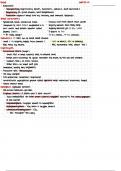
evolution
Biological genotype geneticcode
changeinthegenepoolofapopulationovertime dominantrecessivemutated
genes
descentw modification caneleigenethatcodestoraspecific
c haracteristic
microevolution evolutionw aspecies wasLamarcktheorycorrect
macroevolution descentof
dirtspeciesfromacommon
over
ancestor manygenerations abletoproduce
Hisbeliefoftheenvirobeing
species groupofsimilarindividuals
thatare phenotypicchangeswas
correcthowever hewas
capableof
exchanging
genes successful
through incorrectforthinkingthiscausedevolutionary
change
line
downthe
inbreeding successbreed
1700
Before c haracteristicinfluences
Bodybuildingacquired
scientist
accepted thephenotypebutdoesnotalterthegenotypeof
speciesunrelated remainedunchanged spermandeggcells
earthyoung
1700 11800
ErasmusDarwin JeanBaptisteLamarckchallenge
prior
concepts
specieschanged overtime
gradually nearly18001900
earthwas old
millionsofyears CharlesDarwin AlfredWallace
putforwardanacceptablemechanismforevolution
Erasmus Darwin
zoonomia book
life fromacommonancestor
descended Charles Darwin
suggested must'vechanged
additionallyspecies time
over travelbecame
throughout aware of
diversity orgs
among
JEAN BAPTISTE Lamarck variation ofindividuals
Philosophiezoologique of
distribution species
notfixed
proposedspecies Hethenrealised
tosurviveinnew
changed environment earth'svold
passedon tooffspring
changes great changes
geological
usedisuseofbodyparts isolationleadtospecieschanging
Clinked
betweenenviromenttchangeinspecies He
spokeof 2 vitallyimportanthypotheses
of
inheritance acquiredcharacteristics
softinheritance Lamarckism
1 modification n
diversityotspeciesasaresuitofevolutio
related
orgs common
ancestor
local
adaptednew conditions
by
was branching
diversification
somespeciesdie
out
2 naturalselection
best
individuals to
will
adapted enviro
themost
leave offspring
ofthe
survival fittest
, Dbetween forms
intermediate
groups
o ancestors
glom wereisolated newspecies traditional
fossils
traits
mixturesnowline n
paleontology
o lesspopular onegrouprisentromanother
mammaimarepties
studyotprenistoricate
vertebrate
archeopteryx
wireptitiontbirateatures
EvidenceEvolution
cmore
extinctasmores fossil
1 FossilEvidence
backintime
cannotadaptdiereplaced
extinctintiominionyrs
records
i
difflayersofrocksoldest
2 Biogeography living
fossilssurvived
virtually
3 DNAgenetics molecularbiology unchanged forlong a icomplexityovertimechanges
coelacanth accumulatedovertime
4 Homologies comparativeanatomy aatofspeciesever descendedfromcommon cambarianperiod
5 areextinct a daptedto
which
ancestor
rapiddiversification
Embryology mass destruction
new enviro
6 events
extinction of of
appearance diversity c omplex
vestgialorgans icladogenesis multicelledorgs
beforesimpleindividualcells
7 Biodiversity om
variety f odified
descendants
g myo
evolutionarydivergence
islands
Galapagos
wallace's ammockingbird stuayofwneretwny
occur
linebisects
molayarchipelagointocuparts
indigisianas species
eachdisterentorg similar
diffregionw
prevent
migration c onditions
climate
zairgroupsoforgsarisen
plants
ant
containedv animal
Biogeography
4 biogeogfossiis tossfrom a
extinct of.it tyearihegrsfteYens
closelyresembled
species
livingspeciesinsameregion
it from
descended species
modernspeciesrepiaceat
e
they
ancestor belocated
would
nearby
v
3Distributionof
speciesonoceanicislands 2 veryaitlocations
while
species similar satsamerica diffmonkeys
stilldifferent diffflightlessbirds
similartothose
more mammalsinAfricamarsupials
closesttomainland
n
studyothereditary
stuayorgenestinneritance
otvariationttraitsoflivingorgs
canstvayanas Genetics
compare
mtdna
Dna
chromosomal
1 All
orgs from
descended
a ancestor
common
allhaveonatrna
manygenesthatare
2organisms'arerelated to
encoded make i dentical
toeobyvaryingdegrees proteins
ofsequencesof
similarities
chromosomal
Dnamtdna
nucleotide
moresequencesshared
recent
common
a ncestor
icloser
relationship
fewersequencesshared
distant
relationship
ancestor
ifurtherinpastc ommon
changeordevelopmentof
gradual something
overtime
phenotype
risible
traits
physical
eye
height etc
colour
evolution
Biological genotype geneticcode
changeinthegenepoolofapopulationovertime dominantrecessivemutated
genes
descentw modification caneleigenethatcodestoraspecific
c haracteristic
microevolution evolutionw aspecies wasLamarcktheorycorrect
macroevolution descentof
dirtspeciesfromacommon
over
ancestor manygenerations abletoproduce
Hisbeliefoftheenvirobeing
species groupofsimilarindividuals
thatare phenotypicchangeswas
correcthowever hewas
capableof
exchanging
genes successful
through incorrectforthinkingthiscausedevolutionary
change
line
downthe
inbreeding successbreed
1700
Before c haracteristicinfluences
Bodybuildingacquired
scientist
accepted thephenotypebutdoesnotalterthegenotypeof
speciesunrelated remainedunchanged spermandeggcells
earthyoung
1700 11800
ErasmusDarwin JeanBaptisteLamarckchallenge
prior
concepts
specieschanged overtime
gradually nearly18001900
earthwas old
millionsofyears CharlesDarwin AlfredWallace
putforwardanacceptablemechanismforevolution
Erasmus Darwin
zoonomia book
life fromacommonancestor
descended Charles Darwin
suggested must'vechanged
additionallyspecies time
over travelbecame
throughout aware of
diversity orgs
among
JEAN BAPTISTE Lamarck variation ofindividuals
Philosophiezoologique of
distribution species
notfixed
proposedspecies Hethenrealised
tosurviveinnew
changed environment earth'svold
passedon tooffspring
changes great changes
geological
usedisuseofbodyparts isolationleadtospecieschanging
Clinked
betweenenviromenttchangeinspecies He
spokeof 2 vitallyimportanthypotheses
of
inheritance acquiredcharacteristics
softinheritance Lamarckism
1 modification n
diversityotspeciesasaresuitofevolutio
related
orgs common
ancestor
local
adaptednew conditions
by
was branching
diversification
somespeciesdie
out
2 naturalselection
best
individuals to
will
adapted enviro
themost
leave offspring
ofthe
survival fittest
, Dbetween forms
intermediate
groups
o ancestors
glom wereisolated newspecies traditional
fossils
traits
mixturesnowline n
paleontology
o lesspopular onegrouprisentromanother
mammaimarepties
studyotprenistoricate
vertebrate
archeopteryx
wireptitiontbirateatures
EvidenceEvolution
cmore
extinctasmores fossil
1 FossilEvidence
backintime
cannotadaptdiereplaced
extinctintiominionyrs
records
i
difflayersofrocksoldest
2 Biogeography living
fossilssurvived
virtually
3 DNAgenetics molecularbiology unchanged forlong a icomplexityovertimechanges
coelacanth accumulatedovertime
4 Homologies comparativeanatomy aatofspeciesever descendedfromcommon cambarianperiod
5 areextinct a daptedto
which
ancestor
rapiddiversification
Embryology mass destruction
new enviro
6 events
extinction of of
appearance diversity c omplex
vestgialorgans icladogenesis multicelledorgs
beforesimpleindividualcells
7 Biodiversity om
variety f odified
descendants
g myo
evolutionarydivergence
islands
Galapagos
wallace's ammockingbird stuayofwneretwny
occur
linebisects
molayarchipelagointocuparts
indigisianas species
eachdisterentorg similar
diffregionw
prevent
migration c onditions
climate
zairgroupsoforgsarisen
plants
ant
containedv animal
Biogeography
4 biogeogfossiis tossfrom a
extinct of.it tyearihegrsfteYens
closelyresembled
species
livingspeciesinsameregion
it from
descended species
modernspeciesrepiaceat
e
they
ancestor belocated
would
nearby
v
3Distributionof
speciesonoceanicislands 2 veryaitlocations
while
species similar satsamerica diffmonkeys
stilldifferent diffflightlessbirds
similartothose
more mammalsinAfricamarsupials
closesttomainland
n
studyothereditary
stuayorgenestinneritance
otvariationttraitsoflivingorgs
canstvayanas Genetics
compare
mtdna
Dna
chromosomal
1 All
orgs from
descended
a ancestor
common
allhaveonatrna
manygenesthatare
2organisms'arerelated to
encoded make i dentical
toeobyvaryingdegrees proteins
ofsequencesof
similarities
chromosomal
Dnamtdna
nucleotide
moresequencesshared
recent
common
a ncestor
icloser
relationship
fewersequencesshared
distant
relationship
ancestor
ifurtherinpastc ommon