Synthesis lab 1b (MOL126)
Preparation form experiment 4.2
Lisa Verhoeven, s1014716
28-1-2022
Kinetic study of the solvolysis of
t-butyl halides
Experimental aim
The aim of this experiment is to investigate the kinetics behind the solvolysis of t-butyl halides. More
specifically, we aim to determine the reaction rate constant, as well as the activation energy of the
reaction. Moreover, we want to investigate how the solvent polarity and the character of the leaving
group influence the rate of this reaction.
Background
T-butyl halides can be converted into t-butanol by a solvolysis reaction. In this experiment, we will
investigate the kinetics of this reaction for t-butyl chloride in water. This is a nucleophilic substitution
reaction in which the solvent, water, acts as the nucleophile (fig. 1). As a consequence, this reaction
is pseudo-first-order in the substrate, as the concentration of the nucleophilic only negligibly changes
with respect to the substrate over the course of the reaction. Furthermore, the reaction mixture
acidifies over the course of the reaction, as can be seen from figure 1, so we can monitor the reaction
progress with a pH indicator. Bromophenol blue has a colour transition range between a pH of 3.0
and 4.6, above 4.6 it colours the solution blue and below 3.0 it becomes yellow.
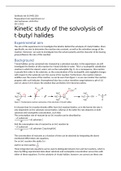
Figure 1. Predominant reaction mechanism of the solvolysis of t-butyl halides.
It is known that Sn1 reaction kinetics differ from Sn2 reaction kinetics, as in the former the rate is
only dependent on the substrate concentration, whereas in the latter the rate depends on both
substrate and nucleophile concentration, such that:
The consumption rate of reactant by an Sn1 reaction can be described by
−d [ substrate ]
=k [substrate ]
dt
And the consumption rate of reactant by an Sn2 reaction by
−d [ substrate ]
=k [substrate][nucleophile]
dt
The concentration of reactants as a function of time can be obtained by integrating the above
mentioned differential rate equations.
For an Sn1 reaction this yields: ln ¿
and for an Sn2 reaction
1
¿¿
These integrated rate equations can be used to distinguish between Sn1 and Sn2 reactions, which is
done by fitting experimental data about substrate and nucleophile concentration versus time with
either of these equations. For the solvolysis of t-butyl halides, however, we cannot use these rate
, equations to differentiate between Sn1 and Sn2 reactions, because the reaction is described by
pseudo-first-order kinetics which makes that the rate (appears) independent of nucleophile
concentration regardless of the reaction mechanism.
The rate of the solvolysis of t-butyl chloride, as well as reactions in general, depends on several
factors.
The activation energy of the reaction (Eact) is the energy required for the reactants to enter the
transition state of the rate determining step of the reaction. The dependency of the rate constant of
−E act
the reaction (k) on this activation energy is described by the Arrhenius equation: RT . From
k=Ae
this equation, it follows that we can construct an Arrhenius plot, which is a graphical representation
E act
of ln ( k )=ln ( A ) − . This is done by determining the k of the rate-determining step for each
RT
temperature T and plotting ln(k) versus 1/T. From the hillslope of this plot, we can directly derive the
activation energy Eact.
Figure 2. Arrhenius plot. Indicated are the intersection point with the y-axis and the hillslope.
The influence of the solvent polarity on the rate of the reaction depends on if the reaction is Sn1 or
Sn2. For Sn1, which is expected to be the predominant mechanism for t-butyl chloride solvolysis, an
increase in the solvent polarity will increase the reaction rate. The reason for this is that the
carbocation intermediate characteristic for Sn1 reactions is better stabilised in a more polar solvent
compared to less polar solvents. For Sn2 reactions, however, the reaction rate decreases in polar
solvent because the nucleophile’s nucleophilicity decreases due to stabilising interactions with the
solvent.
The rate of a substitution reaction also depends on the nature of the leaving group, as the stability of
the leaving group determines its likeliness to dissociate from the substrate. The better a leaving
group can stabilise the resultant negative charge, the more stable it is. The larger the atomic radius
of halides, the better it is stabilised by aqueous solvents. Therefore, the reaction will proceed faster
for substrates with larger-radius halides.
Experimental
Build the experimental set up. The experiments and the associated conditions are indicated in table
1.
Perform experiments 1 to 5:
1. add bromophenol blue to the solvent
2. bring the reactants to the indicated temperature
3. mix the reactants
4. measure the time until the indicator starts to become increasingly yellow
Perform experiments 6, 7 and 8:
1. add bromophenol blue to the solvent
2. bring all reactants to the indicated temperature
Preparation form experiment 4.2
Lisa Verhoeven, s1014716
28-1-2022
Kinetic study of the solvolysis of
t-butyl halides
Experimental aim
The aim of this experiment is to investigate the kinetics behind the solvolysis of t-butyl halides. More
specifically, we aim to determine the reaction rate constant, as well as the activation energy of the
reaction. Moreover, we want to investigate how the solvent polarity and the character of the leaving
group influence the rate of this reaction.
Background
T-butyl halides can be converted into t-butanol by a solvolysis reaction. In this experiment, we will
investigate the kinetics of this reaction for t-butyl chloride in water. This is a nucleophilic substitution
reaction in which the solvent, water, acts as the nucleophile (fig. 1). As a consequence, this reaction
is pseudo-first-order in the substrate, as the concentration of the nucleophilic only negligibly changes
with respect to the substrate over the course of the reaction. Furthermore, the reaction mixture
acidifies over the course of the reaction, as can be seen from figure 1, so we can monitor the reaction
progress with a pH indicator. Bromophenol blue has a colour transition range between a pH of 3.0
and 4.6, above 4.6 it colours the solution blue and below 3.0 it becomes yellow.
Figure 1. Predominant reaction mechanism of the solvolysis of t-butyl halides.
It is known that Sn1 reaction kinetics differ from Sn2 reaction kinetics, as in the former the rate is
only dependent on the substrate concentration, whereas in the latter the rate depends on both
substrate and nucleophile concentration, such that:
The consumption rate of reactant by an Sn1 reaction can be described by
−d [ substrate ]
=k [substrate ]
dt
And the consumption rate of reactant by an Sn2 reaction by
−d [ substrate ]
=k [substrate][nucleophile]
dt
The concentration of reactants as a function of time can be obtained by integrating the above
mentioned differential rate equations.
For an Sn1 reaction this yields: ln ¿
and for an Sn2 reaction
1
¿¿
These integrated rate equations can be used to distinguish between Sn1 and Sn2 reactions, which is
done by fitting experimental data about substrate and nucleophile concentration versus time with
either of these equations. For the solvolysis of t-butyl halides, however, we cannot use these rate
, equations to differentiate between Sn1 and Sn2 reactions, because the reaction is described by
pseudo-first-order kinetics which makes that the rate (appears) independent of nucleophile
concentration regardless of the reaction mechanism.
The rate of the solvolysis of t-butyl chloride, as well as reactions in general, depends on several
factors.
The activation energy of the reaction (Eact) is the energy required for the reactants to enter the
transition state of the rate determining step of the reaction. The dependency of the rate constant of
−E act
the reaction (k) on this activation energy is described by the Arrhenius equation: RT . From
k=Ae
this equation, it follows that we can construct an Arrhenius plot, which is a graphical representation
E act
of ln ( k )=ln ( A ) − . This is done by determining the k of the rate-determining step for each
RT
temperature T and plotting ln(k) versus 1/T. From the hillslope of this plot, we can directly derive the
activation energy Eact.
Figure 2. Arrhenius plot. Indicated are the intersection point with the y-axis and the hillslope.
The influence of the solvent polarity on the rate of the reaction depends on if the reaction is Sn1 or
Sn2. For Sn1, which is expected to be the predominant mechanism for t-butyl chloride solvolysis, an
increase in the solvent polarity will increase the reaction rate. The reason for this is that the
carbocation intermediate characteristic for Sn1 reactions is better stabilised in a more polar solvent
compared to less polar solvents. For Sn2 reactions, however, the reaction rate decreases in polar
solvent because the nucleophile’s nucleophilicity decreases due to stabilising interactions with the
solvent.
The rate of a substitution reaction also depends on the nature of the leaving group, as the stability of
the leaving group determines its likeliness to dissociate from the substrate. The better a leaving
group can stabilise the resultant negative charge, the more stable it is. The larger the atomic radius
of halides, the better it is stabilised by aqueous solvents. Therefore, the reaction will proceed faster
for substrates with larger-radius halides.
Experimental
Build the experimental set up. The experiments and the associated conditions are indicated in table
1.
Perform experiments 1 to 5:
1. add bromophenol blue to the solvent
2. bring the reactants to the indicated temperature
3. mix the reactants
4. measure the time until the indicator starts to become increasingly yellow
Perform experiments 6, 7 and 8:
1. add bromophenol blue to the solvent
2. bring all reactants to the indicated temperature