NUR 2349 Exam 2 Concept Guide:
Professional Nursing I / PN1
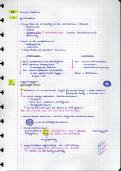
Ethics: The study or examination of moralitythrough a variety of different approaches
HIPPA and nursing research in 2003
The law that protects the basic rights and privacy of the patient to control the disclosureof that
patient’s personal health care information.
Information can only be shared with worksdirectly involved with the patient’s care.
Ethical responsibility shown by nurse
Intermediary: Nurses have more direct contactwith patients than any other health care member. They
interact more and receive moreinformation.
Moral distress: Nurse is aware of the right and moral action to take in any given situation but they are
unable to carry out the action becauseof external constraints (E.g. Heavy workload, lack of nurses,
financial constraints in a facility,conflicts with co-workers/managers)
Patient advocacy: Speaking for the patient to the fullest extent. It’s up to nurses to plead theirsense in a
legal manner.
Moral principles
Veracity: Truth (Obligated to tell the truth to the patient, even if the family doesn’twant you
to)
Nonmaleficence: Do no harm Autonomy: Requires that the patient
have autonomy of thought, intention, and action when making decisions regarding healthcare
procedures. Therefore, the decision- making process must be free of coercion or coaxing. In order for a
patient to make a fully informed decision, she/he must understand allrisks and benefits of the
procedure and the likelihood of success.
Beneficence: Requires that the procedure be provided with the intent of doing good for the
patient involved. Demand that health care providers develop and maintain skills and knowledge,
continually update training, consider individual circumstances of allpatients, and strive for the net
benefit.
Fidelity: Strict observance of promises,duties, etc.
Justice: Must be distributed equally among all groups in society. Requires that procedures uphold the
spirit of existing laws and are fair toall players involved
Living will and DPAHC:
Living will: Allows a person to show specific documentation of what medical treatment theywant or do
not want if they become terminally ill.
DPAHC: Allows a person to appoint an agent orproxy decision maker to make health care decisions in
the case the patients capacity is lost.
,**The living will goes into effect when a personhas a terminal illness and lacks capacity.
DPAHC is not constrained by a terminal state ofhealth.
Lack of decision capacity may be temporary.Palliative vs hospice
Palliative: The process that is focused on relieving pain and physical symptoms, enhancing psychosocial
support, and enhancingthe families to feel meaningful to resolve the patient’s pain as they are passing.
This is comfort care that is NOT federally funded.
Hospice: A program that is sponsored by Medicare to provide comfort care for the terminally ill and the
families. An individual has to meet specific guidelines. These people have 6months or less to live.
Moral distress vs burnout
Moral distress: Inability to carry out a moraldecision.
Perceived constraints:
Physicians: nurse administrators; other
nurses
The law; threat of lawsuit
Advanced directives and information to makeinformed consent
Advanced directives: Allows a person to makefuture decisions about his/her health care.
These documents are typically written but canalso be verbal.
Informed consent: For a patient to give informed consent they must have the autonomyto do so. They
must have: cognitive ability to understand, deliberate reasoning skills, be able to come to a conclusion,
must not be coerced, information about what will happen if they do not give consent, and must be able
to freely consent based on values an wishes.
Confusion with informed consent
Adults who do not have autonomy and need a decision maker or individuals under 18 cannot give
consent. If someone does have the right toinformed consent but this becomes questionable, the ability
is taken away. A nursecan question ability of an adult even if the health care provider doesn’t.
Right of terminally ill patient
Right to die: Formal advanced directives can assist in the making of end of life decisions evenif the patient
does not have mental capacity (can be used when a patient is in a coma)
Active euthanasia: Someone other than the patient performs an action to end the patientslife. (E.g.
lethal injection)
, Passive euthanasia: Omission of an action to prevent death, allowing death to occur. (E.g. honoring a
DNR)
Values vs. attitudes vs. beliefs
Values: Belief about the worth of something.Highly prized ideals, customs, conduct, and goals
Attitudes: Feelings toward a person, object, oridea. Includes thinking and feeling component
Beliefs: Something that one accepts as true. Notalways based on fact
GI
Diet for constipation
• Increase the intake of high-fiber foods ifintake is inadequate (25 to 38g, depending on age and
sex)
• Increase fluid intake (eight to ten 8-
ounce glasses/day)
• Eat a well-balanced diet that includesfive servings of whole grains, fresh fruits, and
vegetables
Ways of the GI system with food
• Stomach, duodenum, pancreas, jejunum, ileum, colon, rectum, and anus
• Food enters the stomach and is mixed in
by churning of the stomach, the food is moved along by peristaltic activity (slowgastric wave is
occurring
• Cephalic stage: when there is
anticipation of food entering your stomach, secretions of gastric acid iscompleted
• Gastric phase: once food enters the
stomach
• Hydrogen chloride in the stomach startsto trigger the release of pepsin, pepsin begins the
digestions of proteins in the food substrate (focuses in on digestion of proteins)
. Pepsin allows for the intestinalabsorption of vitamin B12
• Gastroferrin in the stomach binds iron
so that it can later be absorbed in theduodenum
• Duodenum (first part of the small intestine) Major digestive and absorptive area that transports
proteins, amino acids, and electrolytes.It selectively is able to absorb iron and calcium.
• Pancreas (origin of digestion) produces
a large amount of digestive enzyme thathelps produce bicarbonate rich alkaline liquid (this liquid
neutralizes acidity because bile and acids in the stomach are very acidic)
• Jejunum and ileum are the main areas
for absorption of nutrients, vitamins, amino acids, and triglycerides. Vitaminb12 is removed and
absorbed. Absorbsfat and bile salts are reabsorbed
• Colon (large intestine) reabsorbs liquid
• Rectum and anus (reservoirs and controls feces, increased pressurestimulates peristalsis)
Diverticulitis vs diverticulosis
• Diverticula: sac like pouches of mucosathrough the muscle layer of the bowel on the GI tract
(mostly in the sigmoid colon)
• Diverticula (means more than one)
• Diverticulum (means one)
Professional Nursing I / PN1
Ethics: The study or examination of moralitythrough a variety of different approaches
HIPPA and nursing research in 2003
The law that protects the basic rights and privacy of the patient to control the disclosureof that
patient’s personal health care information.
Information can only be shared with worksdirectly involved with the patient’s care.
Ethical responsibility shown by nurse
Intermediary: Nurses have more direct contactwith patients than any other health care member. They
interact more and receive moreinformation.
Moral distress: Nurse is aware of the right and moral action to take in any given situation but they are
unable to carry out the action becauseof external constraints (E.g. Heavy workload, lack of nurses,
financial constraints in a facility,conflicts with co-workers/managers)
Patient advocacy: Speaking for the patient to the fullest extent. It’s up to nurses to plead theirsense in a
legal manner.
Moral principles
Veracity: Truth (Obligated to tell the truth to the patient, even if the family doesn’twant you
to)
Nonmaleficence: Do no harm Autonomy: Requires that the patient
have autonomy of thought, intention, and action when making decisions regarding healthcare
procedures. Therefore, the decision- making process must be free of coercion or coaxing. In order for a
patient to make a fully informed decision, she/he must understand allrisks and benefits of the
procedure and the likelihood of success.
Beneficence: Requires that the procedure be provided with the intent of doing good for the
patient involved. Demand that health care providers develop and maintain skills and knowledge,
continually update training, consider individual circumstances of allpatients, and strive for the net
benefit.
Fidelity: Strict observance of promises,duties, etc.
Justice: Must be distributed equally among all groups in society. Requires that procedures uphold the
spirit of existing laws and are fair toall players involved
Living will and DPAHC:
Living will: Allows a person to show specific documentation of what medical treatment theywant or do
not want if they become terminally ill.
DPAHC: Allows a person to appoint an agent orproxy decision maker to make health care decisions in
the case the patients capacity is lost.
,**The living will goes into effect when a personhas a terminal illness and lacks capacity.
DPAHC is not constrained by a terminal state ofhealth.
Lack of decision capacity may be temporary.Palliative vs hospice
Palliative: The process that is focused on relieving pain and physical symptoms, enhancing psychosocial
support, and enhancingthe families to feel meaningful to resolve the patient’s pain as they are passing.
This is comfort care that is NOT federally funded.
Hospice: A program that is sponsored by Medicare to provide comfort care for the terminally ill and the
families. An individual has to meet specific guidelines. These people have 6months or less to live.
Moral distress vs burnout
Moral distress: Inability to carry out a moraldecision.
Perceived constraints:
Physicians: nurse administrators; other
nurses
The law; threat of lawsuit
Advanced directives and information to makeinformed consent
Advanced directives: Allows a person to makefuture decisions about his/her health care.
These documents are typically written but canalso be verbal.
Informed consent: For a patient to give informed consent they must have the autonomyto do so. They
must have: cognitive ability to understand, deliberate reasoning skills, be able to come to a conclusion,
must not be coerced, information about what will happen if they do not give consent, and must be able
to freely consent based on values an wishes.
Confusion with informed consent
Adults who do not have autonomy and need a decision maker or individuals under 18 cannot give
consent. If someone does have the right toinformed consent but this becomes questionable, the ability
is taken away. A nursecan question ability of an adult even if the health care provider doesn’t.
Right of terminally ill patient
Right to die: Formal advanced directives can assist in the making of end of life decisions evenif the patient
does not have mental capacity (can be used when a patient is in a coma)
Active euthanasia: Someone other than the patient performs an action to end the patientslife. (E.g.
lethal injection)
, Passive euthanasia: Omission of an action to prevent death, allowing death to occur. (E.g. honoring a
DNR)
Values vs. attitudes vs. beliefs
Values: Belief about the worth of something.Highly prized ideals, customs, conduct, and goals
Attitudes: Feelings toward a person, object, oridea. Includes thinking and feeling component
Beliefs: Something that one accepts as true. Notalways based on fact
GI
Diet for constipation
• Increase the intake of high-fiber foods ifintake is inadequate (25 to 38g, depending on age and
sex)
• Increase fluid intake (eight to ten 8-
ounce glasses/day)
• Eat a well-balanced diet that includesfive servings of whole grains, fresh fruits, and
vegetables
Ways of the GI system with food
• Stomach, duodenum, pancreas, jejunum, ileum, colon, rectum, and anus
• Food enters the stomach and is mixed in
by churning of the stomach, the food is moved along by peristaltic activity (slowgastric wave is
occurring
• Cephalic stage: when there is
anticipation of food entering your stomach, secretions of gastric acid iscompleted
• Gastric phase: once food enters the
stomach
• Hydrogen chloride in the stomach startsto trigger the release of pepsin, pepsin begins the
digestions of proteins in the food substrate (focuses in on digestion of proteins)
. Pepsin allows for the intestinalabsorption of vitamin B12
• Gastroferrin in the stomach binds iron
so that it can later be absorbed in theduodenum
• Duodenum (first part of the small intestine) Major digestive and absorptive area that transports
proteins, amino acids, and electrolytes.It selectively is able to absorb iron and calcium.
• Pancreas (origin of digestion) produces
a large amount of digestive enzyme thathelps produce bicarbonate rich alkaline liquid (this liquid
neutralizes acidity because bile and acids in the stomach are very acidic)
• Jejunum and ileum are the main areas
for absorption of nutrients, vitamins, amino acids, and triglycerides. Vitaminb12 is removed and
absorbed. Absorbsfat and bile salts are reabsorbed
• Colon (large intestine) reabsorbs liquid
• Rectum and anus (reservoirs and controls feces, increased pressurestimulates peristalsis)
Diverticulitis vs diverticulosis
• Diverticula: sac like pouches of mucosathrough the muscle layer of the bowel on the GI tract
(mostly in the sigmoid colon)
• Diverticula (means more than one)
• Diverticulum (means one)