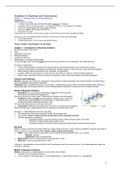
In what ways and how successfully did governments deal with economic change, 1918-79?
1918-31 Effectiveness
Economic impact of WW1 - Cuts maintained confidence preventing banking crisis
- New industries e.g. aircraft - 1933 end of Gold Standard meant the pound fell in value
- Power of TUs grew – membership increased by 2 million in making British exports cheaper
4 years - 1929-39 output of cars doubled, Britain 2nd largest car
- Loss of trade – 20% loss of merchant shipping producer
- Forced to borrow £850 million - 1934 – 293,000 homes built
- Failed to modernise – in 1937 Britain produced 83,000 tons - Decrease in interest rates meant demand fell
of steel annually vs 125,000 tons in Germany - In 1932-33 unemployment was still increasing e.g. in
- Abandonment of gold standard in 1914 – inflation 25% by 1935 77% of males in Jarrow were unemployed, marching
1918 to London to petition for work, raising awareness, Jarvis
- Interest 7% established the metal foundry but it was not until WW2
- 13% decrease in working hours that unemployment declined due to demand for ships
- Recession, 1920-21 with 2 million unemployed in 1921
Evaluation
- Short-lived post-war boom - Insufficient for deprived areas – prosperity in south-east
- 1919 – consumers and businesses spent their savings on with newer industries
luxury items that had been rationed - 1930s economic recovery was largely due to luck rather
than economic policy
Solutions
- 1921 Geddes Axe - £87 million worth of cuts, including 1939-45
welfare and housing budget cuts of £20 million in 1922-23 - War ended the depression
- 1923 protectionism added tariffs to imported goods - 1941 – need for 2 million extra workers
- Reintroduced the gold standard in 1924 – prolonged the
economic slump, meant people saved not spent Managed economy, 1939-51
- Centrally planned and controlled economy
1931-45 - Major industries nationalised, no attempt to undermine
Problems in the 1930s – Wall St Crash private enterprise
- 1932 – demand for British exports decreased 1/3 in volume
and ½ in value Finance
- 80% of mining done by pick axe - Government expenditure increased to £6.1 billion in 1945
- 47% of steel workers unemployed - £3,500 million debt in 1945
- End of 1930 – unemployment at 2.5 million - Keynesianism meant increased expenditure, decreased
taxes to increase demand
Solutions
- 1935 expansion of rearmament meant 15% found work in Austerity
old industries - Necessary to pay for the cost of the war, concentrate
1918-31 Effectiveness
Economic impact of WW1 - Cuts maintained confidence preventing banking crisis
- New industries e.g. aircraft - 1933 end of Gold Standard meant the pound fell in value
- Power of TUs grew – membership increased by 2 million in making British exports cheaper
4 years - 1929-39 output of cars doubled, Britain 2nd largest car
- Loss of trade – 20% loss of merchant shipping producer
- Forced to borrow £850 million - 1934 – 293,000 homes built
- Failed to modernise – in 1937 Britain produced 83,000 tons - Decrease in interest rates meant demand fell
of steel annually vs 125,000 tons in Germany - In 1932-33 unemployment was still increasing e.g. in
- Abandonment of gold standard in 1914 – inflation 25% by 1935 77% of males in Jarrow were unemployed, marching
1918 to London to petition for work, raising awareness, Jarvis
- Interest 7% established the metal foundry but it was not until WW2
- 13% decrease in working hours that unemployment declined due to demand for ships
- Recession, 1920-21 with 2 million unemployed in 1921
Evaluation
- Short-lived post-war boom - Insufficient for deprived areas – prosperity in south-east
- 1919 – consumers and businesses spent their savings on with newer industries
luxury items that had been rationed - 1930s economic recovery was largely due to luck rather
than economic policy
Solutions
- 1921 Geddes Axe - £87 million worth of cuts, including 1939-45
welfare and housing budget cuts of £20 million in 1922-23 - War ended the depression
- 1923 protectionism added tariffs to imported goods - 1941 – need for 2 million extra workers
- Reintroduced the gold standard in 1924 – prolonged the
economic slump, meant people saved not spent Managed economy, 1939-51
- Centrally planned and controlled economy
1931-45 - Major industries nationalised, no attempt to undermine
Problems in the 1930s – Wall St Crash private enterprise
- 1932 – demand for British exports decreased 1/3 in volume
and ½ in value Finance
- 80% of mining done by pick axe - Government expenditure increased to £6.1 billion in 1945
- 47% of steel workers unemployed - £3,500 million debt in 1945
- End of 1930 – unemployment at 2.5 million - Keynesianism meant increased expenditure, decreased
taxes to increase demand
Solutions
- 1935 expansion of rearmament meant 15% found work in Austerity
old industries - Necessary to pay for the cost of the war, concentrate