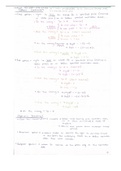
Chapter 11: Attracting and Retaining the
best employees
Human Resources Management
Three phases of HRM
1. Acquiring
2. Maintaining
3. Development human resources
Increasing human resources
Human resource planning – determining firms future resource needs
Job analysis – determining nature of exact positions
Recruiting – Attracting people to apply for positions
Selection – Choosing + hiring most qualified applicants
Orientation – Acquainting new employees with firm
Maintaining human resources
Employee relations – increasing employee job satisfaction
Compensation – rewarding employees with money
Benefits – proving rewards to ensure employee well being
Improving HR
Training and development – teaching employees to be more
effective
Performance appraisal – assessing employee performances
Human Resources Planning
Forecasting Human resources Demand
Strategic plan used to forecast resources needed to determine how
many qualified employees are required.
Forecasting Human resource supply
Take into account present workforce and expected changes.
Useful techniques for forecasting human resources
Replacement chart – list of possible replacement for firm
Skills inventory – Data base with all employees skills and
qualifications in it
Matching Supply with demand
Demand > Supply plans to recruit new employees needed
Supply >Demand workforce must decrease by
retrenchment,
buying people out
Attrition = normal reduction of workforce
Early retirement – allow people to retire early with full benefits
Last resort – simply firing employees
1
, Advantages of cultural diversity in Workplace
1. COST - Employees don’t have to be trained to understand
different cultures
2. Resource acquisition – develop reputation to be favourable
or unfavorable for minorities
3. Marketing edge – understand different cultures
4. Creativity – different background = different way of thinking
5. Bilingualism
Job Analysis – studying a job to determine various elements and
requirement needed
2 components
Job description – List of elements that make up a job e.g. duties,
working conditions
Job specification – List of qualifications and skills required for job
Recruiting
*NB to attract right amount of applicants
External recruiting
Attract job applicants from outside the organization. Via newspaper,
recruiting agencies etc.
Internal recruiting
Considering current employees for available positions. Promotion is
to a higher level and transfer is different job on same level.
Process of selecting applicants
1. Selection
2. Employment tests
3. Interviews
4. References
5. Assessment centers – current employees are sent there for
selection for promotions
6. Orientation
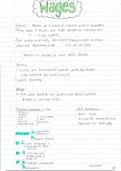
Compensation and benefits
Compensation system – determines the compensation each
business must receive.
Wage survey – collection of wages paid out by competitors in same
area
Job evaluation – determining how much various jobs in the firm are
worth
Comparable wealth - seek same compensation for jobs that require
the same level of education.
Individual wages – determined by seniority, qualifications and
preformance
2
best employees
Human Resources Management
Three phases of HRM
1. Acquiring
2. Maintaining
3. Development human resources
Increasing human resources
Human resource planning – determining firms future resource needs
Job analysis – determining nature of exact positions
Recruiting – Attracting people to apply for positions
Selection – Choosing + hiring most qualified applicants
Orientation – Acquainting new employees with firm
Maintaining human resources
Employee relations – increasing employee job satisfaction
Compensation – rewarding employees with money
Benefits – proving rewards to ensure employee well being
Improving HR
Training and development – teaching employees to be more
effective
Performance appraisal – assessing employee performances
Human Resources Planning
Forecasting Human resources Demand
Strategic plan used to forecast resources needed to determine how
many qualified employees are required.
Forecasting Human resource supply
Take into account present workforce and expected changes.
Useful techniques for forecasting human resources
Replacement chart – list of possible replacement for firm
Skills inventory – Data base with all employees skills and
qualifications in it
Matching Supply with demand
Demand > Supply plans to recruit new employees needed
Supply >Demand workforce must decrease by
retrenchment,
buying people out
Attrition = normal reduction of workforce
Early retirement – allow people to retire early with full benefits
Last resort – simply firing employees
1
, Advantages of cultural diversity in Workplace
1. COST - Employees don’t have to be trained to understand
different cultures
2. Resource acquisition – develop reputation to be favourable
or unfavorable for minorities
3. Marketing edge – understand different cultures
4. Creativity – different background = different way of thinking
5. Bilingualism
Job Analysis – studying a job to determine various elements and
requirement needed
2 components
Job description – List of elements that make up a job e.g. duties,
working conditions
Job specification – List of qualifications and skills required for job
Recruiting
*NB to attract right amount of applicants
External recruiting
Attract job applicants from outside the organization. Via newspaper,
recruiting agencies etc.
Internal recruiting
Considering current employees for available positions. Promotion is
to a higher level and transfer is different job on same level.
Process of selecting applicants
1. Selection
2. Employment tests
3. Interviews
4. References
5. Assessment centers – current employees are sent there for
selection for promotions
6. Orientation
Compensation and benefits
Compensation system – determines the compensation each
business must receive.
Wage survey – collection of wages paid out by competitors in same
area
Job evaluation – determining how much various jobs in the firm are
worth
Comparable wealth - seek same compensation for jobs that require
the same level of education.
Individual wages – determined by seniority, qualifications and
preformance
2