Russia in 1904
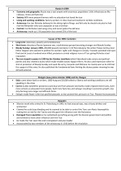
Economy and geography: Russia was a vast empire with enormous population. Little infrastructure like
railways, mines and factories
Society: 80% were peasant farmers with no education but loved the tsar
Living and working conditions: factory workers in cities lived and worked in terrible conditions
Autocracy: the tsar Nicholas believed in the divine right of kings and felt only he should rule plus he had
married Alexander who was unpopular as was a German
Control: tsar Nicholas ruled using army and secret police the okhrana
Aristocracy: made up 1.5% population but owned 25% of the land
Causes of the 1905 revolution
Long term: Autocracy, poverty and voicelessness
Short term: disastrous Russia-Japanese war, revolutionary groups becoming stronger and bloody Sunday
Bloody Sunday: January 1905, 200,000 peaceful protestor in St Petersburg by the winter Palace led by priest
father Gappon who wanted to petition for workers rights and changes to society. Cossacks panicked and open
fired and at Least a hundred were killed, protestors carried religious icons of Tsar; giving Nicholas a bad
reputation
The tsar stayed in power in 1905 by the October manifesto which liberalised trade unions and political
parties and also created a duma which made middle classes happy-reform. He also used repression when he
shot at protestors of bloody Sunday and used the army, Cossacks and Okhrana. He mainly won as he still had
the support of the army. He also published the fundamental laws limiting the dumas power meaning he was
still and autocrat.
Stolypin (new prime minister 1906) and his changes
Stick: came down hard on strikers, 1000 hung and 20,000 exiled to Siberia and working conditions are still
appalling in the cities
Carrot: kulaks (wealthier peasants) could buy land from peasant land banks made of government loans, built
more schools so educated more people, built more factories and railways resulting in economic growth, less
strip farming more larger and efficient farms
Stolypin made fewer richer but pacified peasants so less protest=less pressure on Tsar. Pleased most peasants
Rasputin
Siberian monk who arrived in St. Petersburg in 1905, he had unusual eyes, was a heavy drinker and
womaniser
Claimed he could stop bleeding and he seemed to be able to control the Tsars son Alexis Haemophilia
making him an idol for the Tsarina and this gave him influence over the Romanovs
Damaged Tsars reputation as he symbolised everything wrong with the Russian government and politics
and seemed to have unfair influence over the Tsar.
He made the Tsar seem like and incompetent and poor leader
Assassinated by two members of the aristocracy in 1916 before the revolution
Economy and geography: Russia was a vast empire with enormous population. Little infrastructure like
railways, mines and factories
Society: 80% were peasant farmers with no education but loved the tsar
Living and working conditions: factory workers in cities lived and worked in terrible conditions
Autocracy: the tsar Nicholas believed in the divine right of kings and felt only he should rule plus he had
married Alexander who was unpopular as was a German
Control: tsar Nicholas ruled using army and secret police the okhrana
Aristocracy: made up 1.5% population but owned 25% of the land
Causes of the 1905 revolution
Long term: Autocracy, poverty and voicelessness
Short term: disastrous Russia-Japanese war, revolutionary groups becoming stronger and bloody Sunday
Bloody Sunday: January 1905, 200,000 peaceful protestor in St Petersburg by the winter Palace led by priest
father Gappon who wanted to petition for workers rights and changes to society. Cossacks panicked and open
fired and at Least a hundred were killed, protestors carried religious icons of Tsar; giving Nicholas a bad
reputation
The tsar stayed in power in 1905 by the October manifesto which liberalised trade unions and political
parties and also created a duma which made middle classes happy-reform. He also used repression when he
shot at protestors of bloody Sunday and used the army, Cossacks and Okhrana. He mainly won as he still had
the support of the army. He also published the fundamental laws limiting the dumas power meaning he was
still and autocrat.
Stolypin (new prime minister 1906) and his changes
Stick: came down hard on strikers, 1000 hung and 20,000 exiled to Siberia and working conditions are still
appalling in the cities
Carrot: kulaks (wealthier peasants) could buy land from peasant land banks made of government loans, built
more schools so educated more people, built more factories and railways resulting in economic growth, less
strip farming more larger and efficient farms
Stolypin made fewer richer but pacified peasants so less protest=less pressure on Tsar. Pleased most peasants
Rasputin
Siberian monk who arrived in St. Petersburg in 1905, he had unusual eyes, was a heavy drinker and
womaniser
Claimed he could stop bleeding and he seemed to be able to control the Tsars son Alexis Haemophilia
making him an idol for the Tsarina and this gave him influence over the Romanovs
Damaged Tsars reputation as he symbolised everything wrong with the Russian government and politics
and seemed to have unfair influence over the Tsar.
He made the Tsar seem like and incompetent and poor leader
Assassinated by two members of the aristocracy in 1916 before the revolution