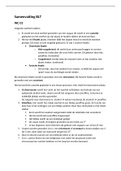
2021 HESI Pharmacology Version 1 (100 Questions and Answers with Rationale)
2020 HESI Pharmacology Version 1 – Questions 1 through 100 1) A nurse is caring for a client with hyperparathyroidism and notes that the client's serum calcium level is 13 mg/dL. Which medication should the nurse prepare to administer as prescribed to the client? 1. Calcium chloride 2. Calcium gluconate 3. Calcitonin (Miacalcin) 4. Large doses of vitamin D 3. Calcitonin (Miacalcin) Rationale: The normal serum calcium level is 8.6 to 10.0 mg/dL. This client is experiencing hypercalcemia. Calcium gluconate and calcium chloride are medications used for the treatment of tetany, which occurs as a result of acute hypocalcemia. In hypercalcemia, large doses of vitamin D need to be avoided. Calcitonin, a thyroid hormone, decreases the plasma calcium level by inhibiting bone resorption and lowering the serum calcium concentration. 2.) Oral iron supplements are prescribed for a 6-year-old child with iron deficiency anemia. The nurse instructs the mother to administer the iron with which best food item? 1. Milk 2. Water 3. Apple juice 4. Orange juice 4. Orange juice Rationale: Vitamin C increases the absorption of iron by the body. The mother should be instructed to administer the medication with a citrus fruit or a juice that is high in vitamin C. Milk may affect absorption of the iron. Water will not assist in absorption. Orange juice contains a greater amount of vitamin C than apple juice. 3.) Salicylic acid is prescribed for a client with a diagnosis of psoriasis. The nurse monitors the client, knowing that which of the following would indicate the presence of systemic toxicity from this medication? 1. Tinnitus 2. Diarrhea 3. Constipation 4. Decreased respirations 1. Tinnitus Rationale: S - The Marketplace to Buy and Sell your Study Material Downloaded by: danyaguilarr | Distribution of this document is illegal S - The Marketplace to Buy and Sell your Study Material Salicylic acid is absorbed readily through the skin, and systemic toxicity (salicylism) can result. Symptoms include tinnitus, dizziness, hyperpnea, and psychological disturbances. Constipation and diarrhea are not associated with salicylism. 4.) The camp nurse asks the children preparing to swim in the lake if they have applied sunscreen. The nurse reminds the children that chemical sunscreens are most effective when applied: 1. Immediately before swimming 2. 15 minutes before exposure to the sun 3. Immediately before exposure to the sun 4. At least 30 minutes before exposure to the sun 4. At least 30 minutes before exposure to the sun Rationale: Sunscreens are most effective when applied at least 30 minutes before exposure to the sun so that they can penetrate the skin. All sunscreens should be reapplied after swimming or sweating. 5.) Mafenide aceta
Written for
Document information
- Uploaded on
- January 27, 2022
- Number of pages
- 41
- Written in
- 2021/2022
- Type
- Exam (elaborations)
- Contains
- Questions & answers
Subjects
-
2021 hesi pharmacology version 1 100 questions and answers with rationale