The different parts of a cell are called subcellular structures.
Most animal cells have the following subcellular structures:
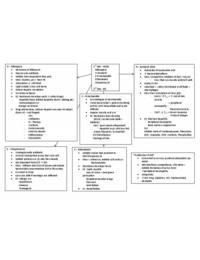
Nucleus - contains genetic material that controls the activities of the cell
Mitochondria - most reactions for aerobic respiration happen here, respiration
transfers energy that the cell needs to work
Cytoplasm - gel like substance where most of the chemical reactions happen,
contains enzymes that control these chemical reactions
Cell membrane - holds the cell together and controls what goes in and out
Ribosomes - where proteins are made in the cell
Plant cells usually have all the bits animal cells have, plus a few extra:
Rigid cell wall - made of cellulose and supports the cell and strengthens it
Permanent vacuole - contains cell sap, a weak solution of sugar and salts
Chloroplasts - where photosynthesis occurs, which makes food for the plant, they
contain a green substance called chlorophyll, which absorbs the light needed for
photosynthesis
To estimate the area of a subcellular structure, treat it like a regular shape; length x width.
Bacterial cells are much smaller
Bacteria are prokaryotes
Bacterial cells don't have a ‘true’ nucleus, they have a single circular strand of DNA
that floats freely in the cytoplasm
May also contain one or more small rings of DNA called plasmids
Bacteria don't have chloroplasts or mitochondria
Most animal cells have the following subcellular structures:
Nucleus - contains genetic material that controls the activities of the cell
Mitochondria - most reactions for aerobic respiration happen here, respiration
transfers energy that the cell needs to work
Cytoplasm - gel like substance where most of the chemical reactions happen,
contains enzymes that control these chemical reactions
Cell membrane - holds the cell together and controls what goes in and out
Ribosomes - where proteins are made in the cell
Plant cells usually have all the bits animal cells have, plus a few extra:
Rigid cell wall - made of cellulose and supports the cell and strengthens it
Permanent vacuole - contains cell sap, a weak solution of sugar and salts
Chloroplasts - where photosynthesis occurs, which makes food for the plant, they
contain a green substance called chlorophyll, which absorbs the light needed for
photosynthesis
To estimate the area of a subcellular structure, treat it like a regular shape; length x width.
Bacterial cells are much smaller
Bacteria are prokaryotes
Bacterial cells don't have a ‘true’ nucleus, they have a single circular strand of DNA
that floats freely in the cytoplasm
May also contain one or more small rings of DNA called plasmids
Bacteria don't have chloroplasts or mitochondria