NR325 Adult health 2 Exam #2 ROK
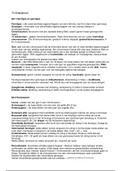
NR325 Adult health 2 Exam #2 ROK 1 NR325 Adult health 2Exam #2 ROKHearing Impaired – Ch. 22, pg. 432Gerontologic considerations – pg. 432Presbycusis, hearing loss of high-pitched sounds associated with aging; decline in word recognition abilityNoise exposure, vascular or systemic diseases, poor or inadequate nutrition, ototoxic drugs and pollution during the life span can damage delicate hair cells of the organ or Corti or atrophy lymph producing cellsAbility to understand spoken word is greatly affectedVowels are heard but some consonants fall into the high frequency range and cannot be differentiated.Noise exposure is a factor related to presbycusisThe loss associated with presbycusis is usually greater for high pitched soundsReluctant to use a hearing aid due to cost, appearance, insufficient knowledge about hearing aids, amplification of competing noise, unrealistic expectations, accept their losses as part of getting older & believe there is no need for improvementMeniere’s disease-client education – pg. 428Define: is characterized by symptoms caused by inner ear disease, including episodic vertigo, tinnitus, fluctuating sensorineural hearing loss and aural fullnessResults in a excessive accumulation of endolymph in the membranous labyrinth; cause unknownAttacks: preceded by a sense of fullness in the ear, increase tinnitus, muffled hearing, feeling of being pulled to the ground (“drop attack”), whirling in space; can last hrs or daysKeep patient in a quiet, darkened room in a comfortable positionPatient needs to be taught to avoid sudden head movements or position changesFluorescent or flickering lights or watching television may exacerbate symptoms and should be avoidedAn emesis basin should be available for vomiting; antiemeticsKeep side rails up and bed in lowest positionPatient should be instructed to call for assistance when getting out of bed; assist with ambulation when attack is over tooMedications and fluids are administered parenterally and intake and output are monitoredWhen attack subsides, assist the patient with ambulation because unsteadiness may remainRestriction of Na, caffeine, nicotine, alcohol, & foods w/MSGClient teaching for eardrops – pg. 426Hands should be washed before and after administering eardropsAdminister drops at room temperature (cold drops can cause vertigo and heated drops can burn the tympanum)The tip of the dropper should not touch the ear to prevent contaminationThe ear is positioned so the drops can run into the canal. This position should be maintained for two minutes.1 Client teaching to protect hearing loss – pg. 430Amplified music should be locked in not to exceed 50% of maximum volume Ear protection should be worn when firing a gun and during other recreational pursuits with high noise levelsHealth teaching regarding avoidance of continue exposure to noise levels greater than 85 to 95 dBis essentialWork environments known to have high noise levels >85 dB need to wear ear protection Periodic audiometric screening should be part of the health maintenance policies of industryEmployees should participate in hearing conservation programs in work environmentYoung adults should be encouraged to keep amplified music at a reasonable level & limit their exposure timeExternal otitis – pg. 424inflammation or infection of the epithelium of the auricle and ear canalExample: swimmer’s ear, trauma from picking earClient care: oMoist heat, mild analgesics, anesthetic dropsoWash hands before/after eardropsoTip of dropper should not touch earoPosition ear so drops can run into canal; stay this position for 2 minsOtitis media – inflammation of middle ear Fever PainEnlarged lymph nodesDischarge from earNausea/vomitingHearing lossClient care:oAdminister antibiotics (oral, otic)oReduce feveroEar irrigationsoMonitor for hearing lossNursing care for tympanoplastyAfter surgery pt will be positioned flat and side lying with operative side up.Instruct pt to change cotton packing and dressing dailyMonitor tightness of dressing to prevent tissue necrosis and assess amount and type of drainagePostoperative Teaching After Ear Surgery – Table 22-14, pg. 426Avoid sudden head movementsDo not try to get out of bed w/o assistanceTake drugs to reduce dizzinessChange positions slowlyAvoid getting the head wetReport fever pain and increase in hearing loss or drainage from the earDo not cough or blow the nose because this causes increased pressure in the Eustachian tube and middle ear cavityIf need to cough or sneeze, leave the mouth open to help reduce pressureAvoid crowds where respiratory infections may be contracted2
Written for
- Institution
-
Chamberlain College Nursing
- Course
-
NR325
Document information
- Uploaded on
- January 24, 2022
- Number of pages
- 25
- Written in
- 2022/2023
- Type
- Exam (elaborations)
- Contains
- Questions & answers
Subjects
-
nr325 adult health 2 exam 2 rok
-
1 nr325 adult health 2exam 2 rokhearing impaired – ch 22
-
pg 432gerontologic considerations – pg 432presbycusis
-
hearing loss of high pitched sounds associated with