Environmental Management
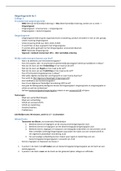
12.1 Sustainable Energy Resources
Recent trends in oil exploitation
1a) In 2012 oil contributed to 33% of the global energy supply
b) Coal (30%) and natural gas (24%)
C) I) The Asia Pacific region (less than 30%)
II) The Middle East (almost 50% of consumption)
2a) It increased from 1039.3 thousand million barrels in 1992 to 1668,9 thousand
million barrels in 2012 – a 629.6 thousand million barrel increase
b)
Region 1992 – thousand 2012 – thousand Change – thousand
million barrels million barrels million barrels
Middle East 63.7 48.4 - 15.3
South and Central 7.6 19.7 + 12.1
Africa
North America 11.7 13.2 + 1.5
Europe & Eurasia 7.5 8.4 + 0.9
Africa 5.9 7.8 + 1.9
Asia Pacific 3.6 2.5 - 1,1
c) They will run out because it is a non-renewable energy source
3a) Onshore locations, the shallow waters of continental shelves, deep-water drilling,
artic sub-ice -> a location which is only just beginning to be exploited
b) It was the easiest and most accessible type of oil exploitation
c) Deep-water drilling is more technologically difficult because it requires to go all the
way to the bottom of the water, which could be hundreds of meters down, therefore
making it less accessible compared to shallow-water oil deposits.
4a) The extensive oil deposits beneath the North sea
b) The United Kingdom and Norway
c) Because they generate sizable revenues, create jobs and business opportunities,
and often bring new roads and access to water and power to the isolated rural areas
in which they are typically located, they have the potential to stimulate economic
growth, reduce poverty, and raise living standards.
5a) In 2011
b) There is a hostile physical environment where huge floating oilrigs are used -> they
cost about $500,000 a day to hire, the Falkland’s are very remote islands
6) The interest in the relatively unexplored continental shelves of the Arctic region
and a re-exploration of onshore regions and shallow waters using new imaging and
other technology
7a) The ice-bound continental shelf and slope of the Artic contains an estimated 13%
of the world’s undiscovered oil -> a total of 90 billion barrels
b) Some companies do not want to exploit oil resources in the arctic region because of
the long history of oil spills around the world. Fragile arctic ice and tricky weather
conditions make a spill in the region even more likely. No oil company has ever
12.1 Sustainable Energy Resources
Recent trends in oil exploitation
1a) In 2012 oil contributed to 33% of the global energy supply
b) Coal (30%) and natural gas (24%)
C) I) The Asia Pacific region (less than 30%)
II) The Middle East (almost 50% of consumption)
2a) It increased from 1039.3 thousand million barrels in 1992 to 1668,9 thousand
million barrels in 2012 – a 629.6 thousand million barrel increase
b)
Region 1992 – thousand 2012 – thousand Change – thousand
million barrels million barrels million barrels
Middle East 63.7 48.4 - 15.3
South and Central 7.6 19.7 + 12.1
Africa
North America 11.7 13.2 + 1.5
Europe & Eurasia 7.5 8.4 + 0.9
Africa 5.9 7.8 + 1.9
Asia Pacific 3.6 2.5 - 1,1
c) They will run out because it is a non-renewable energy source
3a) Onshore locations, the shallow waters of continental shelves, deep-water drilling,
artic sub-ice -> a location which is only just beginning to be exploited
b) It was the easiest and most accessible type of oil exploitation
c) Deep-water drilling is more technologically difficult because it requires to go all the
way to the bottom of the water, which could be hundreds of meters down, therefore
making it less accessible compared to shallow-water oil deposits.
4a) The extensive oil deposits beneath the North sea
b) The United Kingdom and Norway
c) Because they generate sizable revenues, create jobs and business opportunities,
and often bring new roads and access to water and power to the isolated rural areas
in which they are typically located, they have the potential to stimulate economic
growth, reduce poverty, and raise living standards.
5a) In 2011
b) There is a hostile physical environment where huge floating oilrigs are used -> they
cost about $500,000 a day to hire, the Falkland’s are very remote islands
6) The interest in the relatively unexplored continental shelves of the Arctic region
and a re-exploration of onshore regions and shallow waters using new imaging and
other technology
7a) The ice-bound continental shelf and slope of the Artic contains an estimated 13%
of the world’s undiscovered oil -> a total of 90 billion barrels
b) Some companies do not want to exploit oil resources in the arctic region because of
the long history of oil spills around the world. Fragile arctic ice and tricky weather
conditions make a spill in the region even more likely. No oil company has ever