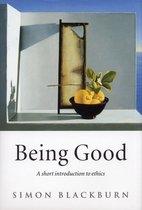
Blackburn – introduction to ethics
Inhoud
Introduction ..........................................................................................................................................1
CH1 - Seven threats to ethics ................................................................................................................1
The death of God ...............................................................................................................................2
Relativism .........................................................................................................................................3
Egoism ..............................................................................................................................................4
Evolutionary theory ..........................................................................................................................5
Determinism and futility ...................................................................................................................5
Unreasonable demands ....................................................................................................................6
False consciousness ..........................................................................................................................6
Introduction
Question: what is the difference between our attitude towards the physical environment and our
attitude towards the ethical environment?
Conclusion: We are sensitive to the physical environment, but not so sensitive to the ethical
environment
Question: define ethical environment.
Conclusion: the surrounding climate of ideas about how to live. It determines what we find
(un)acceptable, shapes our emotional responses and gives us our standards. It shapes our very
identities.
Question: why can the working of the ethical environment be strangely invisible?
Conclusion: we do not often realize how our enveloping climate of ideas effects our opinion and way
of living and looking at things. We have the tendency to accept routes of thought and feeling that we
may not recognize in ourselves, or even be able to articulate.
Evidence: Hitler said, 'How lucky it is for rulers that men cannot think.' But in saying this he sounded
as if he, too, was blind to the ethical climate that enabled his own ideas, and hence his power, to
flourish. Hitler could become so powerful because people did think, but their thinking was poisoned
by an enveloping climate of ideas, of which many were not even conscious
Question: why can we say that human being are ethical animals?
Conclusion: because we grade and evaluate, compare and admire, and claim and justify
Evidence: We do not just 'prefer' this or that, in isolation. We prefer that our preferences are shared;
we turn them into demands on each other
Question: what distinctive ambition does the reflection of philosophy on the ethical climate contain?
Conclusion: to understand the springs of motivation, reason, and feeling that move us. It is to
understand the networks of rules or 'norms' that sustain our lives
Evidence: an enterprise of self-knowledge
CH1 - Seven threats to ethics
Question: how can ethics be threatened?
, Conclusion: the threats listed below can seep into the moral environment. When they do so, they
change what we expect from ourselves and others (usually for the worse). It changes the meaning of
big words such as justice into bids for and clashes of power and blinds us to things other than
hypocrisy, cynicism, and self-consciousness
Question: what are the 7 threads to ethics?
Conclusion:
1. The death of God
2. Relativism
3. Egoism
4. Evolutionary theory
5. Determinism and futility
6. Unreasonable demands
7. False consciousness
The death of God
Question: what was the relationship between ethics and religion before and during the 19th century?
Conclusion:
Before: they were intertwined. God told you what to do and how to live your life. Obedience to divine
brings reward, disobedience means eternal Hell
During: religion started to lose it grip and ethics went with it. 'If God is dead, everything is
permitted'?
Question: what are shortcomings in traditional religious instruction?
Conclusion: in the Old Testament, Gold is partial to some people above others, jealous of his own
pre-eminence, has no problem with slaved, is against birth control, keen on child abuse and approves
of fool abuse. The New Testament is not much better.
Evidence: there have been apologists. When we weigh up the apologist attempts we are assessing
moral standards -> where do these come from?
Question: how did Plato separate ethics and religion from each other?
Conclusion: God, or the gods, have to be regarded as selecting the right things to allow and forbid.
They have to latch on to what is holy or just, exactly like we do. It is not given they do this because
they or powerful or created everything, as this does not make them good. Following their
commandments because of their power would be servile and self-interested.
Religion gives a mythical clothing and mythical authority to a morality that is just there to
begin with
Religion as showcase or symbolic expression of ethics
We drape our own standards with the stories of divine origin as a way of asserting their
authority
Religion not the source of standards of behaviour, but a projection of them
Evidence: To go in for a religious cost-benefit analysis is to have 'one thought too many'
Question: why is thinking through religion no true virtue according to Kant?
Conclusion: it encourages us to act in accordance with a rule, but only because of fear of punishment
or some other incentive; whereas what we really want is for people to act out of respect for a rule
Question: is the death of God a thread to ethics when following Plato's argument?
Conclusion: no, it is a necessary clearing of the ground, on the way to revealing ethics for what it
really is
Evidence: Plato tells us that the ethical laws cannot be the arbitrary whims of personalized gods.
Maybe instead we can make our own laws
Inhoud
Introduction ..........................................................................................................................................1
CH1 - Seven threats to ethics ................................................................................................................1
The death of God ...............................................................................................................................2
Relativism .........................................................................................................................................3
Egoism ..............................................................................................................................................4
Evolutionary theory ..........................................................................................................................5
Determinism and futility ...................................................................................................................5
Unreasonable demands ....................................................................................................................6
False consciousness ..........................................................................................................................6
Introduction
Question: what is the difference between our attitude towards the physical environment and our
attitude towards the ethical environment?
Conclusion: We are sensitive to the physical environment, but not so sensitive to the ethical
environment
Question: define ethical environment.
Conclusion: the surrounding climate of ideas about how to live. It determines what we find
(un)acceptable, shapes our emotional responses and gives us our standards. It shapes our very
identities.
Question: why can the working of the ethical environment be strangely invisible?
Conclusion: we do not often realize how our enveloping climate of ideas effects our opinion and way
of living and looking at things. We have the tendency to accept routes of thought and feeling that we
may not recognize in ourselves, or even be able to articulate.
Evidence: Hitler said, 'How lucky it is for rulers that men cannot think.' But in saying this he sounded
as if he, too, was blind to the ethical climate that enabled his own ideas, and hence his power, to
flourish. Hitler could become so powerful because people did think, but their thinking was poisoned
by an enveloping climate of ideas, of which many were not even conscious
Question: why can we say that human being are ethical animals?
Conclusion: because we grade and evaluate, compare and admire, and claim and justify
Evidence: We do not just 'prefer' this or that, in isolation. We prefer that our preferences are shared;
we turn them into demands on each other
Question: what distinctive ambition does the reflection of philosophy on the ethical climate contain?
Conclusion: to understand the springs of motivation, reason, and feeling that move us. It is to
understand the networks of rules or 'norms' that sustain our lives
Evidence: an enterprise of self-knowledge
CH1 - Seven threats to ethics
Question: how can ethics be threatened?
, Conclusion: the threats listed below can seep into the moral environment. When they do so, they
change what we expect from ourselves and others (usually for the worse). It changes the meaning of
big words such as justice into bids for and clashes of power and blinds us to things other than
hypocrisy, cynicism, and self-consciousness
Question: what are the 7 threads to ethics?
Conclusion:
1. The death of God
2. Relativism
3. Egoism
4. Evolutionary theory
5. Determinism and futility
6. Unreasonable demands
7. False consciousness
The death of God
Question: what was the relationship between ethics and religion before and during the 19th century?
Conclusion:
Before: they were intertwined. God told you what to do and how to live your life. Obedience to divine
brings reward, disobedience means eternal Hell
During: religion started to lose it grip and ethics went with it. 'If God is dead, everything is
permitted'?
Question: what are shortcomings in traditional religious instruction?
Conclusion: in the Old Testament, Gold is partial to some people above others, jealous of his own
pre-eminence, has no problem with slaved, is against birth control, keen on child abuse and approves
of fool abuse. The New Testament is not much better.
Evidence: there have been apologists. When we weigh up the apologist attempts we are assessing
moral standards -> where do these come from?
Question: how did Plato separate ethics and religion from each other?
Conclusion: God, or the gods, have to be regarded as selecting the right things to allow and forbid.
They have to latch on to what is holy or just, exactly like we do. It is not given they do this because
they or powerful or created everything, as this does not make them good. Following their
commandments because of their power would be servile and self-interested.
Religion gives a mythical clothing and mythical authority to a morality that is just there to
begin with
Religion as showcase or symbolic expression of ethics
We drape our own standards with the stories of divine origin as a way of asserting their
authority
Religion not the source of standards of behaviour, but a projection of them
Evidence: To go in for a religious cost-benefit analysis is to have 'one thought too many'
Question: why is thinking through religion no true virtue according to Kant?
Conclusion: it encourages us to act in accordance with a rule, but only because of fear of punishment
or some other incentive; whereas what we really want is for people to act out of respect for a rule
Question: is the death of God a thread to ethics when following Plato's argument?
Conclusion: no, it is a necessary clearing of the ground, on the way to revealing ethics for what it
really is
Evidence: Plato tells us that the ethical laws cannot be the arbitrary whims of personalized gods.
Maybe instead we can make our own laws