Chapter 9: Basic Oligopoly Models
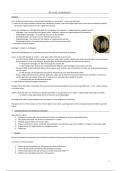
Oligopoly – A market structure in which there are only a few firms, each of which is large
relative to the total industry.
Duopoly – An oligopoly composed of only two firms.
In determining what price and output to charge, the manager must consider the impact of his or
her decision on other firms in the industry.
The demand for a firm’s product in oligopoly depends critically on how rivals respond to the
firm’s pricing decisions.
Four Oligopoly settings (models)
1. Sweezy Oligopoly – A firm is characterized as a Sweezy oligopoly if:
1. There are few firms in the market serving many consumers.
2. The firms produce differentiated products.
3. Each firm believes rivals will respond to a price reduction but will not follow a
price increase.
4. Barriers to entry exist.
Firms have an incentive not to change their pricing behavior, provided marginal costs remain in a
given range.
Although this model has been criticized because it offers no explanation of how the industry
settles on the initial price, it does show those strategic interactions among firms and a manager’s
belief about rivals’ reactions can have a profound impact on pricing decisions.
2. Cournot Oligopoly (a quantity setting environment) – An industry is a Cournot
oligopoly if:
1. There are few firms in the market serving many consumers.
2. The firms produce either differentiated or homogeneous products.
3. Each firm believes rivals will hold their output constant if it changes its output
4. Barriers to entry exist.
Oligopoly – A market structure in which there are only a few firms, each of which is large
relative to the total industry.
Duopoly – An oligopoly composed of only two firms.
In determining what price and output to charge, the manager must consider the impact of his or
her decision on other firms in the industry.
The demand for a firm’s product in oligopoly depends critically on how rivals respond to the
firm’s pricing decisions.
Four Oligopoly settings (models)
1. Sweezy Oligopoly – A firm is characterized as a Sweezy oligopoly if:
1. There are few firms in the market serving many consumers.
2. The firms produce differentiated products.
3. Each firm believes rivals will respond to a price reduction but will not follow a
price increase.
4. Barriers to entry exist.
Firms have an incentive not to change their pricing behavior, provided marginal costs remain in a
given range.
Although this model has been criticized because it offers no explanation of how the industry
settles on the initial price, it does show those strategic interactions among firms and a manager’s
belief about rivals’ reactions can have a profound impact on pricing decisions.
2. Cournot Oligopoly (a quantity setting environment) – An industry is a Cournot
oligopoly if:
1. There are few firms in the market serving many consumers.
2. The firms produce either differentiated or homogeneous products.
3. Each firm believes rivals will hold their output constant if it changes its output
4. Barriers to entry exist.