Derivatives:
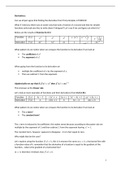
Can we all just agree that finding the derivative from first principles is TEDIOUS!
What if I told you there was an easier way that took a fraction of a second and that for simpler
functions only took one line to write down? Intrigued? Let’s see if we can figure out what it is?
Below are the results of Exercise 8.4 # 2
1
( )
Function 𝑓(𝑥) 𝑥4 𝑥3 𝑥2 𝑥 (𝑥1) 𝑥−1 ( ) −2 1
𝑥 x
x2
Derivative 𝑓′(𝑥) 4𝑥3 3𝑥2 2𝑥 1 −𝑥 −2 −2𝑥 −3
What pattern do we notice when we compare the function to its derivative if we look at:
The coefficient of 𝑥?
The exponent of 𝑥?
When going from the function to its derivative we
multiply the coefficient of 𝑥 by the exponent of 𝑥.
Then we subtract 1 from the exponent.
Algebraically we say that if 𝒇(𝒙) = 𝒙𝒏 then 𝒇′(𝒙) = 𝒏𝒙𝒏−𝟏
This is known as the Power rule
Let’s look at more examples of functions and their derivatives (from Ex 8.4 #1):
Function 𝑓(𝑥) 4𝑥 − 3 −5𝑥2 + 𝑥 𝑏𝑥 + 𝑐 3𝑥2 − 4𝑥 + 1 𝑎𝑥2 + 𝑏𝑥 + 𝑐
Derivative 𝑓′(𝑥) 4 −10𝑥 + 1 𝑏 6𝑥 − 4 2𝑎𝑥 + 𝑏
What pattern do we notice when we compare the function to its derivative if we look at:
The 𝒙 term?
The constant term?
The 𝑥 term is reduced to its coefficient, this makes sense because according to the power rule we
multiply by the exponent of 1 and then subtract 1 from the exponent leaving 𝑥0 = 1.
The constant term, however, appears to disappear… it is in fact equal to zero.
Why might that be the case?
Let’s explore using the function 𝑓(𝑥) = 𝑘, this is in essence the same as 𝑦 = 𝑘, a horizontal line with
a function value of k. remember that the derivative of a function is equal to the gradient of the
function… what is the gradient of a horizontal line?
𝑚 = 0, therefore it follows that 𝑓′(𝑥) = 0.
1
, So what are our rules?
RULE 1: THE DERIVATIVE OF A CONSTANT IS EQUAL TO 0.
If 𝑓(𝑥) = 𝑘, 𝑤ℎ𝑒𝑟𝑒 𝑘 𝑖𝑠 𝑎 𝑐𝑜𝑛𝑠𝑡𝑎𝑛𝑡 𝑟𝑒𝑎𝑙 𝑛𝑢𝑚𝑏𝑒𝑟, 𝑡ℎ𝑒𝑛 𝑓′(𝑥) = 0.
Example: if 𝒇(𝒙) = 𝟏𝟎 find 𝒇′(𝒙).
𝑓(𝑥) = 10
𝑓′(𝑥) = 0
RULE 2: THE POWER RULE
The derivative of 𝑓(𝑥) = 𝑥𝑛 is 𝑓′(𝑥) = 𝑛. 𝑥𝑛−1
Example: if 𝒇(𝒙) = 𝒙𝟏𝟎 find 𝒇′(𝒙).
𝑓(𝑥) = 𝑥10
𝑓′(𝑥) = 10𝑥10−1
𝑓′(𝑥) = 10𝑥9
RULE 3: DERIVATIVE OF A FUNCTION MULTIPLIED BY A CONSTANT
The derivative of 𝑓(𝑥) = 𝑘. 𝑔(𝑥) is 𝑓′(𝑥) = 𝑘. 𝑔′(𝑥)
Example: if 𝒇(𝒙) = 𝟑𝒙𝟒 find 𝒇′(𝒙).
𝑓(𝑥) = 3𝑥4
𝑓′(𝑥) = 3 × 4𝑥4−1
𝑓′(𝑥) = 12𝑥3
RULE 4: SUM RULE
The derivative of 𝑓(𝑥) = 𝑔(𝑥) + ℎ(𝑥) is 𝑓′(𝑥) = 𝑔′(𝑥) + ℎ′(𝑥)
Example: if 𝒇(𝒙) = 𝒙𝟑 + 𝟐𝒙−𝟑 find 𝒇′(𝒙).
𝑓(𝑥) = 𝑥3 + 2𝑥−3
𝑓′(𝑥) = 3𝑥2 + 2 × (−3)𝑥−3−1
𝑓′(𝑥) = 3𝑥2 − 6𝑥−4
RULE 5: DIFFERENCE RULE
The derivative of 𝑓(𝑥) = 𝑔(𝑥) − ℎ(𝑥) is 𝑓′(𝑥) = 𝑔′(𝑥) − ℎ′(𝑥)
Example: if 𝒇(𝒙) = 𝒙𝟑 − 𝟐𝒙 find 𝒇′(𝒙).
𝑓(𝑥) = 𝑥3 − 2𝑥1
𝑓′(𝑥) = 3𝑥2 − 2 × 1𝑥1−1
𝑓′(𝑥) = 3𝑥2 − 2𝑥0
2
Can we all just agree that finding the derivative from first principles is TEDIOUS!
What if I told you there was an easier way that took a fraction of a second and that for simpler
functions only took one line to write down? Intrigued? Let’s see if we can figure out what it is?
Below are the results of Exercise 8.4 # 2
1
( )
Function 𝑓(𝑥) 𝑥4 𝑥3 𝑥2 𝑥 (𝑥1) 𝑥−1 ( ) −2 1
𝑥 x
x2
Derivative 𝑓′(𝑥) 4𝑥3 3𝑥2 2𝑥 1 −𝑥 −2 −2𝑥 −3
What pattern do we notice when we compare the function to its derivative if we look at:
The coefficient of 𝑥?
The exponent of 𝑥?
When going from the function to its derivative we
multiply the coefficient of 𝑥 by the exponent of 𝑥.
Then we subtract 1 from the exponent.
Algebraically we say that if 𝒇(𝒙) = 𝒙𝒏 then 𝒇′(𝒙) = 𝒏𝒙𝒏−𝟏
This is known as the Power rule
Let’s look at more examples of functions and their derivatives (from Ex 8.4 #1):
Function 𝑓(𝑥) 4𝑥 − 3 −5𝑥2 + 𝑥 𝑏𝑥 + 𝑐 3𝑥2 − 4𝑥 + 1 𝑎𝑥2 + 𝑏𝑥 + 𝑐
Derivative 𝑓′(𝑥) 4 −10𝑥 + 1 𝑏 6𝑥 − 4 2𝑎𝑥 + 𝑏
What pattern do we notice when we compare the function to its derivative if we look at:
The 𝒙 term?
The constant term?
The 𝑥 term is reduced to its coefficient, this makes sense because according to the power rule we
multiply by the exponent of 1 and then subtract 1 from the exponent leaving 𝑥0 = 1.
The constant term, however, appears to disappear… it is in fact equal to zero.
Why might that be the case?
Let’s explore using the function 𝑓(𝑥) = 𝑘, this is in essence the same as 𝑦 = 𝑘, a horizontal line with
a function value of k. remember that the derivative of a function is equal to the gradient of the
function… what is the gradient of a horizontal line?
𝑚 = 0, therefore it follows that 𝑓′(𝑥) = 0.
1
, So what are our rules?
RULE 1: THE DERIVATIVE OF A CONSTANT IS EQUAL TO 0.
If 𝑓(𝑥) = 𝑘, 𝑤ℎ𝑒𝑟𝑒 𝑘 𝑖𝑠 𝑎 𝑐𝑜𝑛𝑠𝑡𝑎𝑛𝑡 𝑟𝑒𝑎𝑙 𝑛𝑢𝑚𝑏𝑒𝑟, 𝑡ℎ𝑒𝑛 𝑓′(𝑥) = 0.
Example: if 𝒇(𝒙) = 𝟏𝟎 find 𝒇′(𝒙).
𝑓(𝑥) = 10
𝑓′(𝑥) = 0
RULE 2: THE POWER RULE
The derivative of 𝑓(𝑥) = 𝑥𝑛 is 𝑓′(𝑥) = 𝑛. 𝑥𝑛−1
Example: if 𝒇(𝒙) = 𝒙𝟏𝟎 find 𝒇′(𝒙).
𝑓(𝑥) = 𝑥10
𝑓′(𝑥) = 10𝑥10−1
𝑓′(𝑥) = 10𝑥9
RULE 3: DERIVATIVE OF A FUNCTION MULTIPLIED BY A CONSTANT
The derivative of 𝑓(𝑥) = 𝑘. 𝑔(𝑥) is 𝑓′(𝑥) = 𝑘. 𝑔′(𝑥)
Example: if 𝒇(𝒙) = 𝟑𝒙𝟒 find 𝒇′(𝒙).
𝑓(𝑥) = 3𝑥4
𝑓′(𝑥) = 3 × 4𝑥4−1
𝑓′(𝑥) = 12𝑥3
RULE 4: SUM RULE
The derivative of 𝑓(𝑥) = 𝑔(𝑥) + ℎ(𝑥) is 𝑓′(𝑥) = 𝑔′(𝑥) + ℎ′(𝑥)
Example: if 𝒇(𝒙) = 𝒙𝟑 + 𝟐𝒙−𝟑 find 𝒇′(𝒙).
𝑓(𝑥) = 𝑥3 + 2𝑥−3
𝑓′(𝑥) = 3𝑥2 + 2 × (−3)𝑥−3−1
𝑓′(𝑥) = 3𝑥2 − 6𝑥−4
RULE 5: DIFFERENCE RULE
The derivative of 𝑓(𝑥) = 𝑔(𝑥) − ℎ(𝑥) is 𝑓′(𝑥) = 𝑔′(𝑥) − ℎ′(𝑥)
Example: if 𝒇(𝒙) = 𝒙𝟑 − 𝟐𝒙 find 𝒇′(𝒙).
𝑓(𝑥) = 𝑥3 − 2𝑥1
𝑓′(𝑥) = 3𝑥2 − 2 × 1𝑥1−1
𝑓′(𝑥) = 3𝑥2 − 2𝑥0
2