Infectious Diseases and TB
-
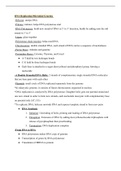
Pathogen Microorganism causing disease
-
.
-
Primary pathogen only associate with body -
to cause disease .
-
Opportunist pathogen -
often present as part of the body's normal flora .
Only cause disease when defence system weakened e.
g. 5. aureus in suffers from cystic fibrosis
-
.
•
4
groups to
be considered based on mode of transmission .
-
Respiratory conditions e.
g.
measles .
-
Sexually transmitted e.
g herpes
-
Food and waterborne e. cholera
g.
-
Animal transmitted e.
g. Yersinia pestis .
Respiratory Diseases
•
Globally influenza is the
biggest cause
of microbial death each year .
•
However both tuberculosis and pneumonia aremajor causes of death as well .
Tuberculosis
caused by the bacterium Mycobacterium tuberculosis
-
.
-
Annual about a million deaths worldwide .
-
Around 28,000 people develop TB everyday -3,000 to 4,000 die daily .
-
UK peaked in 2011 at 8,919 now about 6,000 annually .
-
Figures for 2016 :
•
5,664 in England
•
39%
of cases in London
•
74 % were non -
UK nationals
•
3.8% also had HIV .
alcohol / drug misuse
' '
•
11% had risk factors e.
g.
Two Phases of TB :
primary
First
TB :
phase
-
-
Mycobacterium Bt acquired from aerosols .
-
Bacteria reach alveoli in lungs and start to grow .
the alveoli stimulates the host's
My growth TB in
macrophages
-
. . . .
-
Macrophages form into aggregates (known as tubercles) and engulf
mycobacteria .
-
However ,
some mycobacteria survive within the macrophage after phagocytosis
-
They don't succumb to the normal lysosomal destruction process .
Mycobacterial cell walls are rich in colic acid
glycolipid
-
a
my
-
.
Not
really Gram tire
-
ve or -
.
-
My colic acids hydrophobic are .
-
Outside of cell is hydrophobic .
-
Due to this exterior surface normal phagocytosis does not
occur .
It also limits the
entry of antimicrobial compounds
-
.
-
Pathogen Microorganism causing disease
-
.
-
Primary pathogen only associate with body -
to cause disease .
-
Opportunist pathogen -
often present as part of the body's normal flora .
Only cause disease when defence system weakened e.
g. 5. aureus in suffers from cystic fibrosis
-
.
•
4
groups to
be considered based on mode of transmission .
-
Respiratory conditions e.
g.
measles .
-
Sexually transmitted e.
g herpes
-
Food and waterborne e. cholera
g.
-
Animal transmitted e.
g. Yersinia pestis .
Respiratory Diseases
•
Globally influenza is the
biggest cause
of microbial death each year .
•
However both tuberculosis and pneumonia aremajor causes of death as well .
Tuberculosis
caused by the bacterium Mycobacterium tuberculosis
-
.
-
Annual about a million deaths worldwide .
-
Around 28,000 people develop TB everyday -3,000 to 4,000 die daily .
-
UK peaked in 2011 at 8,919 now about 6,000 annually .
-
Figures for 2016 :
•
5,664 in England
•
39%
of cases in London
•
74 % were non -
UK nationals
•
3.8% also had HIV .
alcohol / drug misuse
' '
•
11% had risk factors e.
g.
Two Phases of TB :
primary
First
TB :
phase
-
-
Mycobacterium Bt acquired from aerosols .
-
Bacteria reach alveoli in lungs and start to grow .
the alveoli stimulates the host's
My growth TB in
macrophages
-
. . . .
-
Macrophages form into aggregates (known as tubercles) and engulf
mycobacteria .
-
However ,
some mycobacteria survive within the macrophage after phagocytosis
-
They don't succumb to the normal lysosomal destruction process .
Mycobacterial cell walls are rich in colic acid
glycolipid
-
a
my
-
.
Not
really Gram tire
-
ve or -
.
-
My colic acids hydrophobic are .
-
Outside of cell is hydrophobic .
-
Due to this exterior surface normal phagocytosis does not
occur .
It also limits the
entry of antimicrobial compounds
-
.