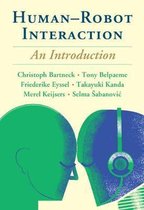
Robot Interaction
Lecture 6 + Literature
, Lecture & Literature - Summary
Anthropomorphism
1ST PAPER :
On seeing human: A three-factor theory of anthropomorphism
Humanlike looks (design) vs attributing
humanness (user)
People tend to see nonhuman agents as humanlike
o We respond to it as if it is humanlike
3 determinants when explaining when people are likely to anthropomorphize:
1. Elicited agent knowledge
The accessibility and applicability of anthropocentric knowledge.
Knowledge is applied about yourself - Egocentric
i. What I know of myself, the other agents must also have
Knowledge is also applied about humans in general - Homocentric
i. Here you use the knowledge you have obtained from other humans to
better understand the agent.
The rapid and automatic mirror system in the brain is therefore likely to provide
a rapid phenomenological experience that would need to be undone or
overcome by subsequent reasoning.
Variability in the adjustment of these egocentric or homocentric defaults should
therefore influence the tendency to anthropomorphize nonhuman agents.
Dispositional influences - Need for cognition (knowledge)
- More likely to go beyond the readily
accessible defaults in judgement.
- These people will be less inclined to
2. anthropomorphize.
Situational influences - Perceived similarity, when target
appears similar to self.
- rely on egocentric knowledge more
than about other homocentric
knowledge.
- people uses stereotypes to make
assumptions
Developmental influences - Children develop conceptual
understanding on the self before an
understanding of others.
- Autistic children have trouble
understanding that other people have
mental states at all.
Cultural influences - Experience, norms, ideologies due to
cultural differences.
Effectance motivation
The motivation to explain and understand the behavior of other agents.
Lecture 6 + Literature
, Lecture & Literature - Summary
Anthropomorphism
1ST PAPER :
On seeing human: A three-factor theory of anthropomorphism
Humanlike looks (design) vs attributing
humanness (user)
People tend to see nonhuman agents as humanlike
o We respond to it as if it is humanlike
3 determinants when explaining when people are likely to anthropomorphize:
1. Elicited agent knowledge
The accessibility and applicability of anthropocentric knowledge.
Knowledge is applied about yourself - Egocentric
i. What I know of myself, the other agents must also have
Knowledge is also applied about humans in general - Homocentric
i. Here you use the knowledge you have obtained from other humans to
better understand the agent.
The rapid and automatic mirror system in the brain is therefore likely to provide
a rapid phenomenological experience that would need to be undone or
overcome by subsequent reasoning.
Variability in the adjustment of these egocentric or homocentric defaults should
therefore influence the tendency to anthropomorphize nonhuman agents.
Dispositional influences - Need for cognition (knowledge)
- More likely to go beyond the readily
accessible defaults in judgement.
- These people will be less inclined to
2. anthropomorphize.
Situational influences - Perceived similarity, when target
appears similar to self.
- rely on egocentric knowledge more
than about other homocentric
knowledge.
- people uses stereotypes to make
assumptions
Developmental influences - Children develop conceptual
understanding on the self before an
understanding of others.
- Autistic children have trouble
understanding that other people have
mental states at all.
Cultural influences - Experience, norms, ideologies due to
cultural differences.
Effectance motivation
The motivation to explain and understand the behavior of other agents.