Imperative forms, both formal + informal
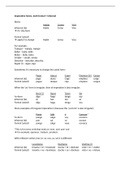
Basics
Hablar Comer Vivir
Informal (tú) Habla Come Vive
él / ella form
Formal (usted)
apply E-A change Hable Coma Viva
For example:
Trabajar – trabaja, trabaje
Bailar – baila, baile
Beber – bebe, beba
Vender – vende, venda
Describir – describe, describa
Seguir (i) – sigue, siga
Sometimes it’s necessary to change the usted form:
Pagar Atacar Coger Empezar (ie) Cargar
Informal (tú) paga ataca Coge empieza carga
Formal (usted) pague ataque coja empiece cargue
When the ‘yo’ form is irregular, then el imperativo is also irregular:
Decir (i) Hacer Tener Ser
Yo-form digo hago tengo soy
Informal (tú) di haz ten sé
Formal (usted) diga haga tenga sea
More examples of irregular imperativo’s (because the ‘yo-form’ is also irregular):
Poner Salir Ir Conocer*
Yo-form pongo salgo voy conozco
Informal (tú) pon sal ve conoce
Formal (usted) ponga salga vaya conozca
*This is for every verb that ends on -ecer, ocer and -ucir
for example: aparecer, traducir, producir.
With reflexive verbes (me, te, se, nos, os, se) it is different:
Levantarse Ducharse Vestirse (i)
Informal (tú) levanta + te = levántate ducha + te = dúchate viste + te = vístete
Formal (usted) levante + se = levántese duche + se = dúchese vista + se = vístase
, To me = me
To him/her = le
To us = nos
To them = les
Gerundio
It is used with the verb estar:
Estoy
Estás
Está AR verbs: hablar habl hablando
Estamos + ER verbs: comer com comiendo
Estáis IR verbs: vivir viv viviendo
Están
With reflexive verbs you have two options:
Lavarse Ducharse
1. After gerundio Estoy lavándome Está duchándose
2. Before conjugated verb (estar) Me estoy lavando Se está duchando
Personal pronouns for indirect object
An indirect object pronoun tells you to whom or for whom something is done.
Ser /estar / tener / hay
Ser Ser is used to indicate what someone/something is: name, profession, nationality,
religion.It is also used to indicate a quality of something or someone: large, old, blue, young,
etc.
Tener leeftijd of hebben
Estar Estar is used to indicate where something/someone is.
Hay ‘Hay’ is in het Nederlands: ‘er is/zijn’, ‘er ligt/liggen’, ‘er staat/staan’ , etc.
(locatie en onderwerp onbepaald)
Basics
Hablar Comer Vivir
Informal (tú) Habla Come Vive
él / ella form
Formal (usted)
apply E-A change Hable Coma Viva
For example:
Trabajar – trabaja, trabaje
Bailar – baila, baile
Beber – bebe, beba
Vender – vende, venda
Describir – describe, describa
Seguir (i) – sigue, siga
Sometimes it’s necessary to change the usted form:
Pagar Atacar Coger Empezar (ie) Cargar
Informal (tú) paga ataca Coge empieza carga
Formal (usted) pague ataque coja empiece cargue
When the ‘yo’ form is irregular, then el imperativo is also irregular:
Decir (i) Hacer Tener Ser
Yo-form digo hago tengo soy
Informal (tú) di haz ten sé
Formal (usted) diga haga tenga sea
More examples of irregular imperativo’s (because the ‘yo-form’ is also irregular):
Poner Salir Ir Conocer*
Yo-form pongo salgo voy conozco
Informal (tú) pon sal ve conoce
Formal (usted) ponga salga vaya conozca
*This is for every verb that ends on -ecer, ocer and -ucir
for example: aparecer, traducir, producir.
With reflexive verbes (me, te, se, nos, os, se) it is different:
Levantarse Ducharse Vestirse (i)
Informal (tú) levanta + te = levántate ducha + te = dúchate viste + te = vístete
Formal (usted) levante + se = levántese duche + se = dúchese vista + se = vístase
, To me = me
To him/her = le
To us = nos
To them = les
Gerundio
It is used with the verb estar:
Estoy
Estás
Está AR verbs: hablar habl hablando
Estamos + ER verbs: comer com comiendo
Estáis IR verbs: vivir viv viviendo
Están
With reflexive verbs you have two options:
Lavarse Ducharse
1. After gerundio Estoy lavándome Está duchándose
2. Before conjugated verb (estar) Me estoy lavando Se está duchando
Personal pronouns for indirect object
An indirect object pronoun tells you to whom or for whom something is done.
Ser /estar / tener / hay
Ser Ser is used to indicate what someone/something is: name, profession, nationality,
religion.It is also used to indicate a quality of something or someone: large, old, blue, young,
etc.
Tener leeftijd of hebben
Estar Estar is used to indicate where something/someone is.
Hay ‘Hay’ is in het Nederlands: ‘er is/zijn’, ‘er ligt/liggen’, ‘er staat/staan’ , etc.
(locatie en onderwerp onbepaald)